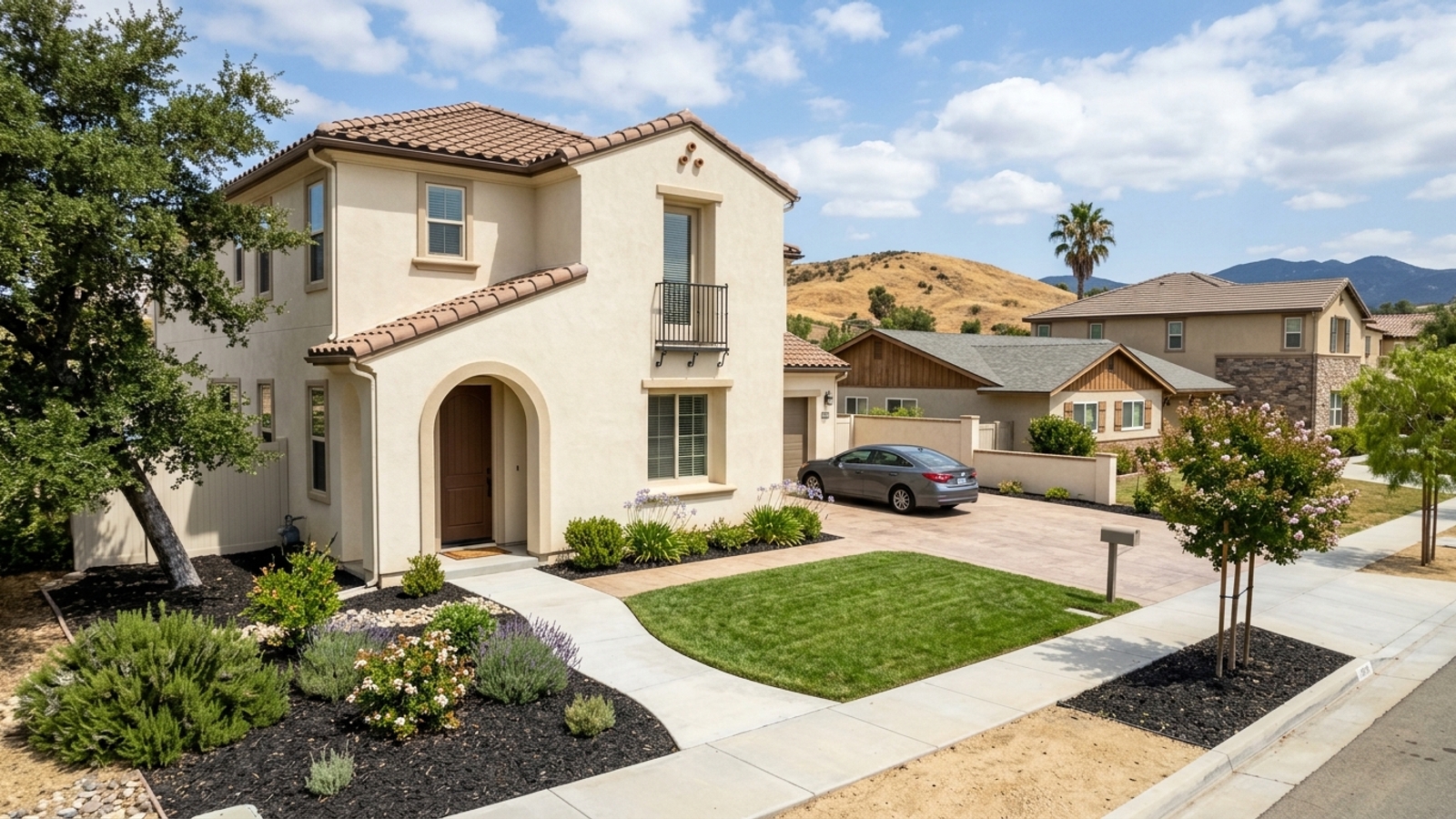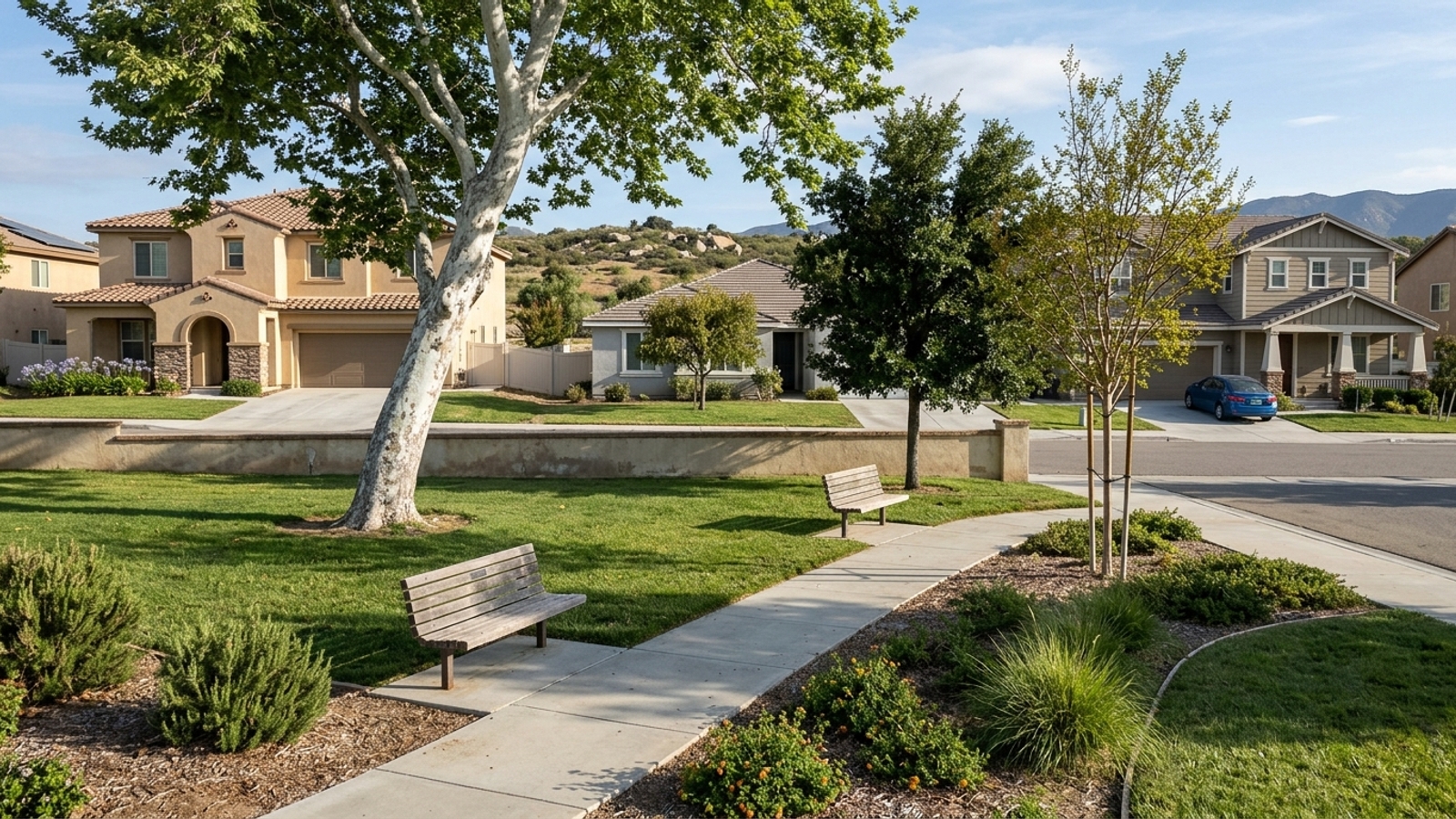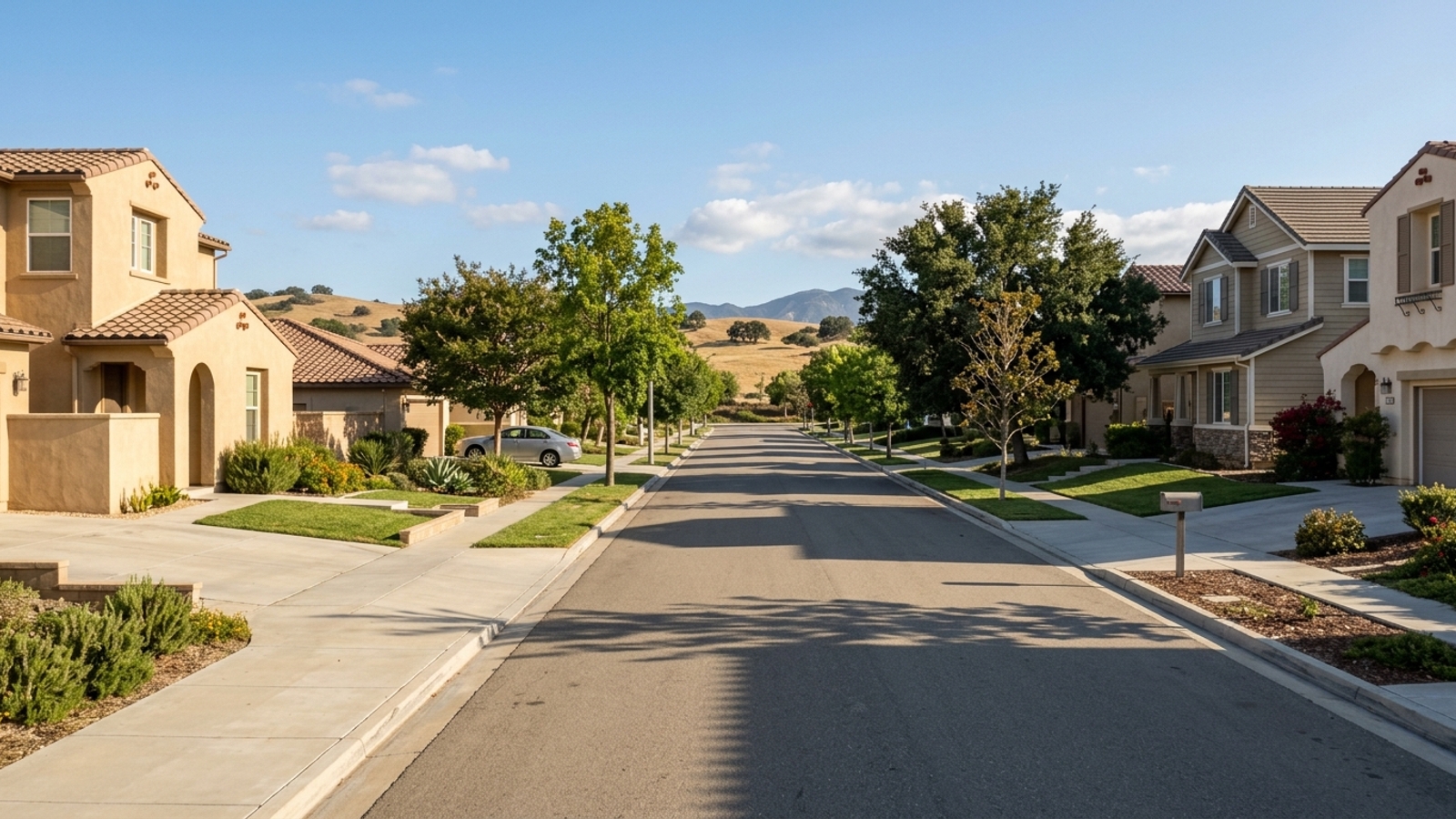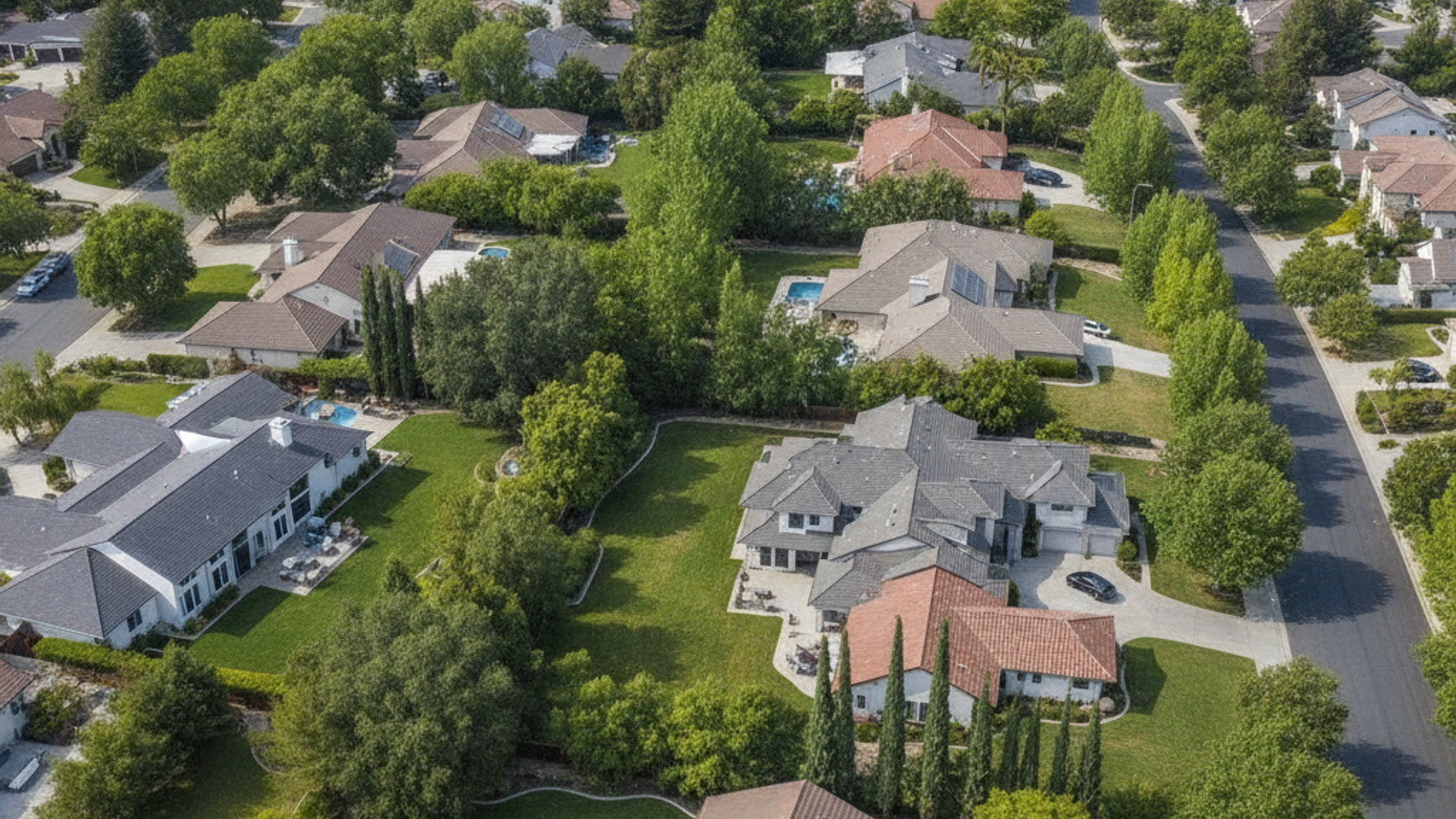
The median sale price for a home in Temecula, CA is sitting around $747,000 right now. This price point makes preparation essential for first-time home buyers in Temecula, CA. Homes are averaging 35 days on the market before going under contract, and most are selling at nearly 100% of list price.
That sticker price is only part of the story. To know what you can actually afford, you need to look at your total monthly carrying costs - because that’s what lenders are looking at when they decide how much they’ll loan you. They’re weighing your income, your existing debts, and the specific costs that come with owning in Riverside County.
Calculating Your Temecula Home Affordability
Mortgage lenders compare your gross monthly income against your recurring monthly debts. They’re not guessing - they use standardized formulas to make sure your future mortgage payment lands within a manageable percentage of what you earn.
Gross income is what you make before taxes and deductions come out. Lenders add your projected housing payment to your current minimum debt payments and check both numbers against their qualification thresholds.
The 28/36 Rule
Many traditional lenders still use the 28/36 rule. Your total housing payment shouldn’t exceed 28% of your gross monthly income - that’s the first part.
The second part looks at your full debt picture. Your mortgage payment plus every other monthly debt obligation should stay under 36% of your gross income. Both numbers have to work.
Finding Your Debt-to-Income Ratio
Your debt-to-income (DTI) ratio is simply the percentage of your gross income that goes toward debt payments each month. Divide your total monthly debt payments by your gross monthly income and you’ve got it.
Every lender sets DTI limits buyers must meet to get a loan. The 36% benchmark is standard, but some loan programs will allow a higher DTI if you’ve got strong credit scores and solid cash reserves to back it up.
Local Costs That Shape Your Monthly Payment
Riverside County property taxes and local association dues have a real impact on what you’ll owe each month. A $747,000 home in Temecula carries different monthly costs than a similarly priced home somewhere else - even in California - because of these localized expenses.
The full picture of what you owe each month is captured in the acronym PITI: principal, interest, taxes, and insurance. Lenders include all four components when calculating your DTI.
Down Payments and Interest Rates
A larger down payment means a smaller loan, which means lower principal and interest payments. Putting down at least 20% also gets you out of paying private mortgage insurance (PMI) - something lenders require when you put down less.
Don’t underestimate how much interest rates matter. Even a half-percent change can shift your monthly payment by hundreds of dollars, which changes the maximum home price you can qualify for.
Riverside County Property Taxes
The effective property tax rate in Riverside County averages around 0.82%. On a median-valued home assessed at $510,300, that works out to roughly $4,189 a year.
Rates do vary by ZIP code and city limits, and new developments often carry different tax burdens than older neighborhoods. Before you fall in love with a property, check the actual tax assessment on that specific address.
Homeowners Association Fees
HOA fees in Temecula run from about $60 to more than $300 a month. Older, established neighborhoods might come in under $50, while mid-tier communities with pools and parks typically land between $75 and $130.
Newer master-planned communities like Sommers Bend, Morgan Hill, and Roripaugh Ranch are generally in the $150 to $225 or more per month range. Stack Mello-Roos special taxes on top of that and total carrying costs in those neighborhoods can push past $400 a month. Lenders have to include those fees in your DTI calculation - all of it counts.
Non-Mortgage Expenses to Factor In
Closing costs in California typically run 2% to 5% of the purchase price. On a $747,000 home in Temecula, you’re looking at $14,940 to $37,350 due at the closing table - on top of your down payment, not instead of it.
These are the administrative costs of transferring ownership: appraisal fees, title search and insurance, escrow fees, recording charges. Loan origination fees usually add another 0.5% to 1.0% of the total loan amount on top of that.
Breaking Down Closing Costs
Shortly after you apply for a mortgage, your lender will send you a Loan Estimate. That document lays out the expected closing costs so you’re not guessing when it comes time to wire funds.
Worth reading carefully. The numbers can shift between the estimate and closing, and you want to know exactly what you’re bringing to the table.
Ongoing Maintenance and Utilities
Once you own, repairs and system replacements are yours to handle. A standard rule of thumb is to set aside 1% of the home’s value each year for routine maintenance.
Utilities are a different story than renting, too. Water, electricity, natural gas, trash collection - factor all of it into what you’re actually comfortable spending each month, not just the mortgage payment.
Ways to Increase Your Buying Power
Paying down debt before you apply is one of the most direct ways to qualify for a larger loan. Pay off a car loan, clear a credit card balance - every dollar you remove from your monthly debt obligations improves your DTI.
Your credit profile matters just as much. A stronger score gets you a lower interest rate, which means less of your monthly payment goes to interest and more goes toward principal.
Managing Your Credit Score
Lenders save their best rates for borrowers with the strongest credit scores. Paying bills on time and keeping credit card balances low - those two habits do most of the heavy lifting.
While you’re shopping for a home, don’t open new credit accounts or put large purchases on credit. A sudden jump in your debt load changes your DTI and can derail an approval that looked solid on paper.
California First-Time Buyer Programs
The California Housing Finance Agency (CalHFA) offers several assistance programs for buyers in Temecula. The MyHome Assistance Program provides a deferred-payment junior loan of up to 3% of the purchase price, which can go toward your down payment or closing costs.
CalHFA also has the Zero Interest Program (ZIP) for closing costs, and the California Dream For All Shared Appreciation Loan, which provides up to 20% for down payment and closing costs, capped at $150,000, through a voucher lottery. To qualify, you’ll need to complete homebuyer education courses, meet specific income limits, and work through a CalHFA-approved private lender.
Frequently Asked Questions
What salary do I need to make to afford a median-priced home in Temecula, CA?
It depends on your debt load and down payment. With the median sale price around $747,000, use the 28/36 rule to work backward from current interest rates, the 0.82% average property tax rate, and whatever HOA fees apply to the specific homes you’re considering.
How do Mello-Roos taxes in Temecula neighborhoods impact my maximum mortgage approval?
They reduce it. Lenders must include Mello-Roos taxes in your debt-to-income ratio, and in newer master-planned communities like Sommers Bend or Morgan Hill, that can push total monthly carrying costs past $400 - which directly limits how much mortgage you can carry.
How much of a down payment is realistically needed to buy a house in Temecula right now?
It depends on your loan type and financial situation. A 20% down payment eliminates the need for private mortgage insurance, but first-time buyers who meet income limits can often use programs like the CalHFA MyHome Assistance Program to help cover those upfront costs.
Will high HOA fees in Temecula communities lower the loan amount I can qualify for?
Yes. Lenders factor HOA fees into your debt-to-income ratio, full stop. In newer communities where fees run $150 to $225 or more per month, that amount directly reduces how much mortgage principal you can qualify for.