For anyone selling a home in Temecula, CA, the median sale price currently sits around $734,500, with homes averaging roughly 40 days on the market. With nearly 400 active listings competing for buyer attention, you don’t get a second chance at a first impression - online or in person.
Preparing a house for the market is more than a deep clean and a coat of fresh paint. Thoughtful furniture placement and neutral design choices shift a buyer’s focus from your belongings to the actual layout of the home. This guide covers how staging works in this market, what it realistically costs, and how to decide whether to hire a professional or do it yourself.
Why Staging Matters for Temecula Home Sales
Staging isn’t just about making a home look pretty - it’s about money and time. Data from the National Association of Realtors’ 2025 Profile of Home Staging shows that 29% of agents reported staging led to a 1% to 10% increase in the dollar value offered by buyers compared to similar, unstaged homes.
That same 2025 report found that 30% of sellers’ agents observed a slight decrease in time on the market, with 19% noting a major reduction. In a market where homes currently average 40 days before going under contract, trimming even a week or two off that timeline saves real money on mortgage payments and property taxes.
How staging impacts time on the market
When a home looks move-in ready, buyers stop doing mental math about repainting rooms and start thinking about where their couch goes - and that mental shift tends to speed up decisions considerably. Sellers who stage properly typically avoid the price reductions that become almost inevitable once a listing drifts past the 60-day mark.
How buyers view a staged property
According to the 2025 NAR report, 83% of buyers’ agents said staging made it easier for buyers to envision the property as their future home. Empty rooms photograph small and leave buyers genuinely confused about how an awkward layout is supposed to work. Staging answers that question before they even have to ask it.
How Much Staging Costs in Riverside County
Your budget depends on the size of your home and whether you’ll be living in it during the sale. Angi reports that home staging in Temecula averages about $1,800, ranging from $150 for minor consultations up to $5,000 for more extensive work. On a per-room basis, expect to pay around $600.
Local Temecula-based stagers quote higher figures for full-service, whole-home projects. Simply Staging notes that their local staging typically ranges from $4,000 to $10,000, with most standard homes falling in the $4,500 to $7,000 range. Porch lists local staging costs between $2,000 and $6,000, plus a $150 to $600 initial consultation fee.
Professional staging price ranges
Thumbtack cites a national range of $750 to $1,500, but notes that vacant-home staging in the Temecula area can start around $2,200. HomeGuide puts standard whole-home staging at $1,500 to $4,000. The 2025 NAR report found the median cost for using a professional staging service was $1,500 nationwide, though Southern California markets often command $3 to $5 per square foot.
Budgeting for DIY improvements
When the agent or seller personally stages the home, the 2025 NAR data shows the median cost drops to about $500. That budget typically covers fresh paint, new throw pillows, neutral bedding, and updated lighting fixtures - plus a short-term storage unit to hold excess furniture and personal items while the listing is active.
Vacant versus occupied staging expenses
Vacant staging requires the company to rent, transport, and install entire truckloads of furniture, which is what drives the price up. Aviara Design Co., a local stager, notes that pricing depends on both square footage and occupancy status. Occupied staging costs less because the stager is largely working with what you already have, supplementing it with artwork and accessories rather than replacing everything.
Professional Stagers vs. Doing It Yourself
Whether to hire a company or handle it yourself comes down to three things: your budget, your timeline, and the current condition of your furniture. Homes with dated or personalized pieces almost always benefit from professional intervention.
If your home already has neutral paint, modern fixtures, and a reasonably minimal look, you might need only a few adjustments. Your listing agent can walk through the property and give you a straight answer about what needs to change before the photographer shows up.
When to hire a professional
If your home is completely vacant, hire a professional. Empty houses photograph poorly and make it genuinely hard for buyers to gauge scale - they’ll stand in the primary suite wondering whether a king-sized bed will fit. Professionals also make sense for luxury listings where high-end buyers walk in expecting a model-home presentation and notice immediately when it falls short.
What a full-service stager does
A professional stager handles the entire visual presentation. They select furniture that suits the architectural style of the home, coordinate delivery, arrange pieces to maximize traffic flow, and hang artwork. Once the house sells and contingencies are removed, they come back, pack everything up, and haul it out before closing.
A simple DIY staging checklist
Start by packing away family photos, collections, and the appliances that live on your countertops. Then pull out roughly a third of the furniture in your main living areas - rooms read larger with breathing room. Finish by adding matching white towels to the bathrooms, clearing all personal items from the showers, and making sure every lightbulb in the house is the same color temperature.
Room-by-Room Staging Advice
Buyers judge a home on a handful of priority spaces, so put your energy where it matters. The living room, kitchen, and primary bedroom carry the most weight during a showing.
You don’t need to stage a guest bedroom with the same intensity as your main living areas - a neutral comforter and a single nightstand is enough to show the room’s purpose. Spend your time and money on the spaces where buyers linger.
Living room and kitchen priorities
In the living room, pull furniture away from the walls to create a conversational arrangement. It makes the room feel more welcoming and shows off the floor space. In the kitchen, clear the counters completely - one or two decorative items, like a bowl of fresh fruit or a high-end espresso machine, is plenty.
Primary bedroom and bathrooms
The primary bedroom should feel like a calm retreat. Crisp white bedding, a few textured throw pillows, and matching lamps on cleared nightstands will get you there. In the bathrooms, remove every everyday toiletry, scrub the grout, and hang fresh, unused towels on the racks.
Curb appeal and the entryway
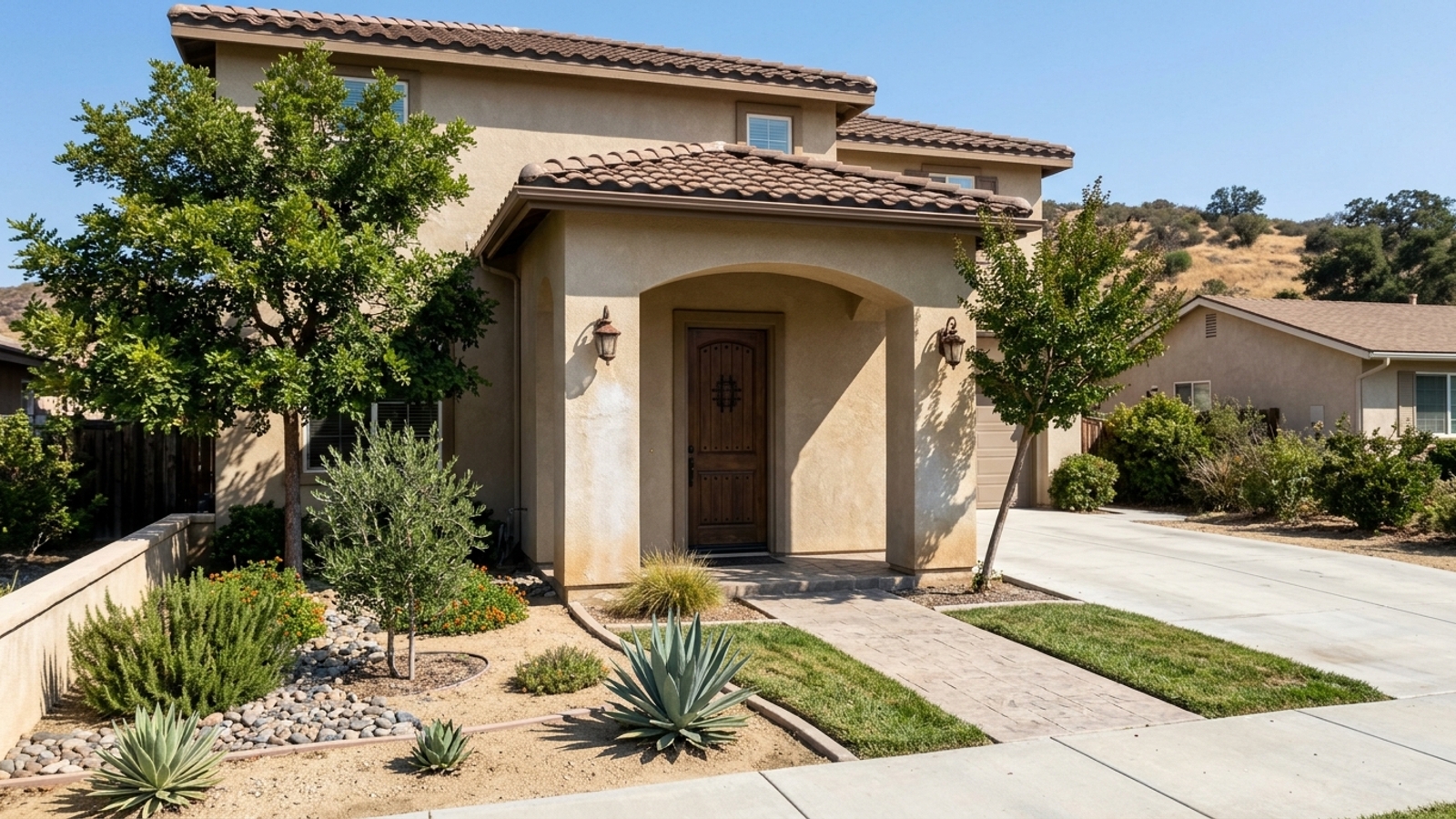
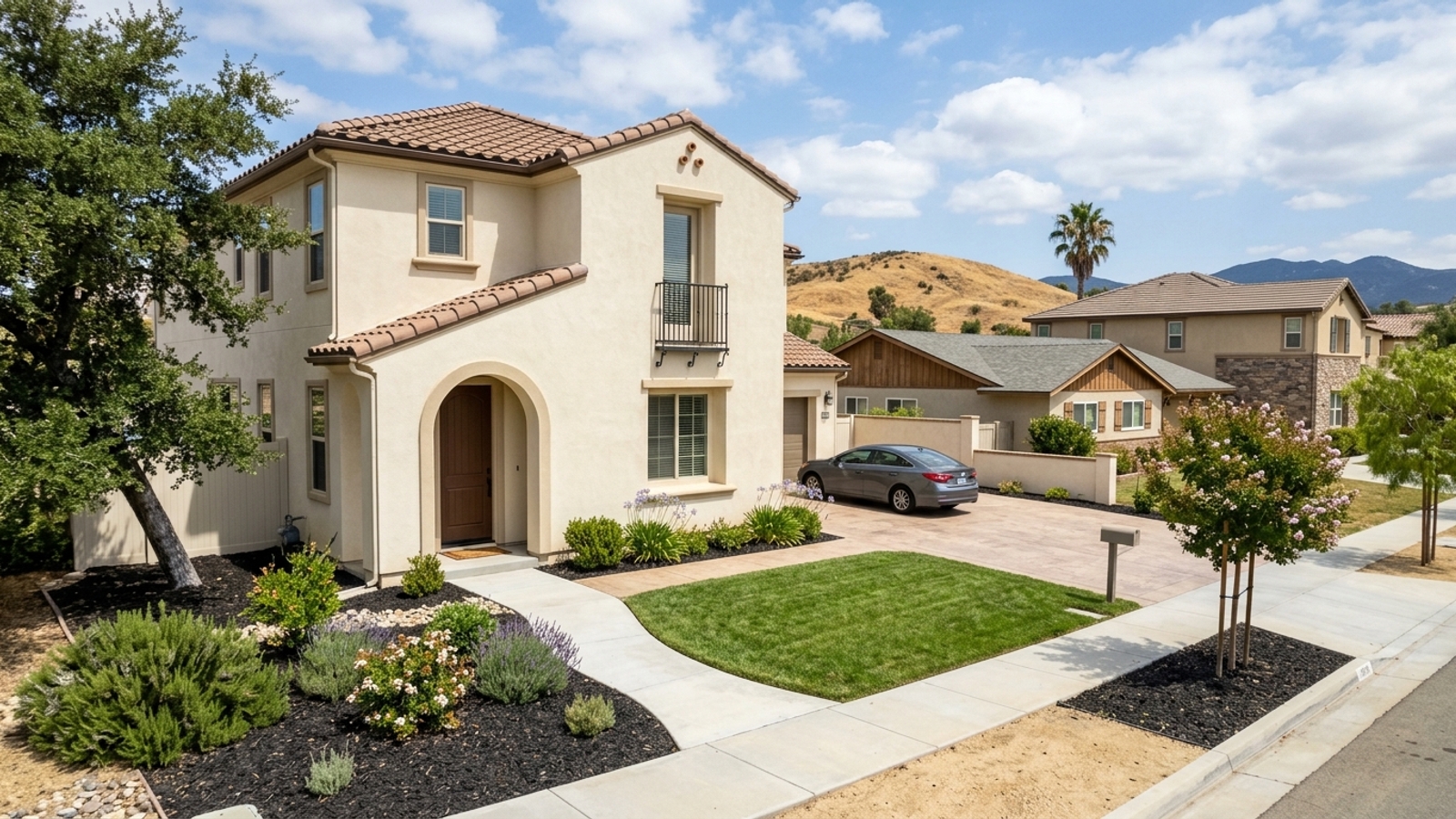
Buyers have already formed an opinion before they unlock the front door. Sweep the walkway, add fresh mulch to the flower beds, and put a clean welcome mat at the entrance. Inside the foyer, remove bulky coat racks or shoe organizers - the first few steps into the house should feel open.
Decluttering and depersonalizing the space
Depersonalizing means removing what marks the house as yours: diplomas, family portraits, children’s artwork on the refrigerator. You’re creating a blank canvas so the buyer can picture their own life in the space rather than feeling like a guest in yours.
Staging Occupied Homes vs. Vacant Listings
Living in a staged home requires a real shift in daily habits. You have to keep the property in show-ready condition every morning - beds made, laundry hidden, counters wiped - before you leave for work.
Vacant homes present a different set of problems. They’re easier to keep clean between showings, but the absence of furniture tends to highlight minor flaws like scuffed baseboards or scratched flooring that buyers might otherwise overlook entirely. The right strategy depends on whether you’ll be sleeping in the house during the listing period.
Tips for staging while living in the house
Renting a storage unit is the simplest way to manage an occupied staging project. Box up out-of-season clothing, extra toys, and bulky furniture pieces that crowd your rooms. Keep a set of empty laundry baskets on hand so you can sweep up mail, laptop chargers, and daily clutter in the minutes before a last-minute showing request.
When virtual staging makes sense
Virtual staging uses software to insert digital furniture into photos of an empty house. It costs a fraction of physical staging and helps online buyers make sense of the layout. That said, when buyers arrive for an in-person tour, they’ll still walk into vacant rooms - so virtual staging works best for budget-conscious sellers who understand the tradeoff.
Local Home Staging Companies Serving Temecula
Having a reliable staging partner means your home gets market-ready on schedule rather than scrambling the week before photos are taken. Several home staging companies serve the Temecula, CA market, covering everything from light occupied staging to full vacant-home furniture rentals.
Options include Aviara Design Co., a family-owned, licensed, and insured staging and interior design studio based right in Temecula. 1st Stage Property Transformation also serves the area, covering Southern California markets including Murrieta, San Diego, and Riverside. Simply Staging operates out of a Redlands-based studio but regularly works in Temecula, while Angela Tipps Real Estate And Staging is another local provider with strong client ratings.
What to look for in a stager
A solid staging company maintains an extensive furniture inventory in various styles so they can match what they bring to your home’s specific architecture - not just whatever happened to be available in the warehouse. Look through their portfolio to confirm their work looks modern and photographs well. They should also carry proper insurance to cover your property while they’re moving heavy pieces in and out.
Questions to ask before hiring
Ask how much lead time they need between signing the contract and completing the installation. Get clarity on exactly what’s included in the fee - some companies charge separately for the initial consultation, the furniture rental period, and the final removal. And find out what happens if the home takes longer to sell than the initial contract covers.
Home Staging FAQs
Does home staging help sell a house faster in Temecula?
Yes, staging often reduces time on the market. According to the 2025 NAR report, 30% of sellers’ agents saw a decrease in time on the market for staged homes, with 19% noting a major reduction. Buyers submit offers faster when they can easily envision themselves living in the space.
How much does it cost to stage a house in Temecula?
Costs range widely based on the scope of work. Angi reports an average of $1,800 in the area, while local providers like Simply Staging typically charge between $4,500 and $7,000 for a standard family home. DIY staging by the seller or agent usually costs around $500.
How do I stage a house in Temecula if my family is still living in it?
Focus on aggressive decluttering and rent a storage unit to remove excess furniture. Keep daily items tucked away in cabinets or matching baskets, and wipe down surfaces every morning so the home is always ready for a short-notice showing.
How long does the professional home staging process take before my listing goes live?
The timeline depends on the staging company’s availability and the size of the home. Bring a stager in early in the pre-listing process so the furniture is in place before the professional photographer arrives.
What is virtual staging, and is it enough to attract buyers in the Temecula market?
Virtual staging uses software to add digital furniture to photos of empty rooms, which helps buyers understand the layout when they’re browsing online. It costs less than physical staging, but buyers touring the home in person will still walk into vacant rooms - which can make spaces feel smaller than they appeared in the photos.
What are the most common mistakes sellers make when trying to DIY stage their home?
Leaving too much personal furniture in place is the biggest one - it makes rooms feel cramped and hard to read. Sellers also frequently leave family photos and personal collections up, which works against the 83% of buyers who rely on staging to envision the property as their own home.
Ready to List in Temecula? Get a Staging Walkthrough
Preparing a house for the market takes coordination, and you don’t have to make the design decisions on your own. A listing agent knows what local buyers expect to see when they walk through the front door - and what they won’t forgive if they don’t.
Before you start painting walls or booking a storage unit, have an agent evaluate the property. They’ll tell you exactly which updates are worth the effort and which ones you can skip.
What a listing consultation covers
During a walk-through, an agent reviews the home room by room to identify areas that need decluttering, repairs, or staging. They’ll compare your home’s current condition to recent sales in your neighborhood to establish a baseline value, then give you a prioritized checklist of tasks to complete before the photographer arrives.
Connecting with local stagers
If your home needs professional furniture rental, your agent can connect you with trusted local companies like Aviara Design Co. or Simply Staging. Working through an agent tends to streamline the whole process, keeping the staging installation, photography, and listing launch on a coordinated schedule rather than three separate timelines you’re managing yourself.