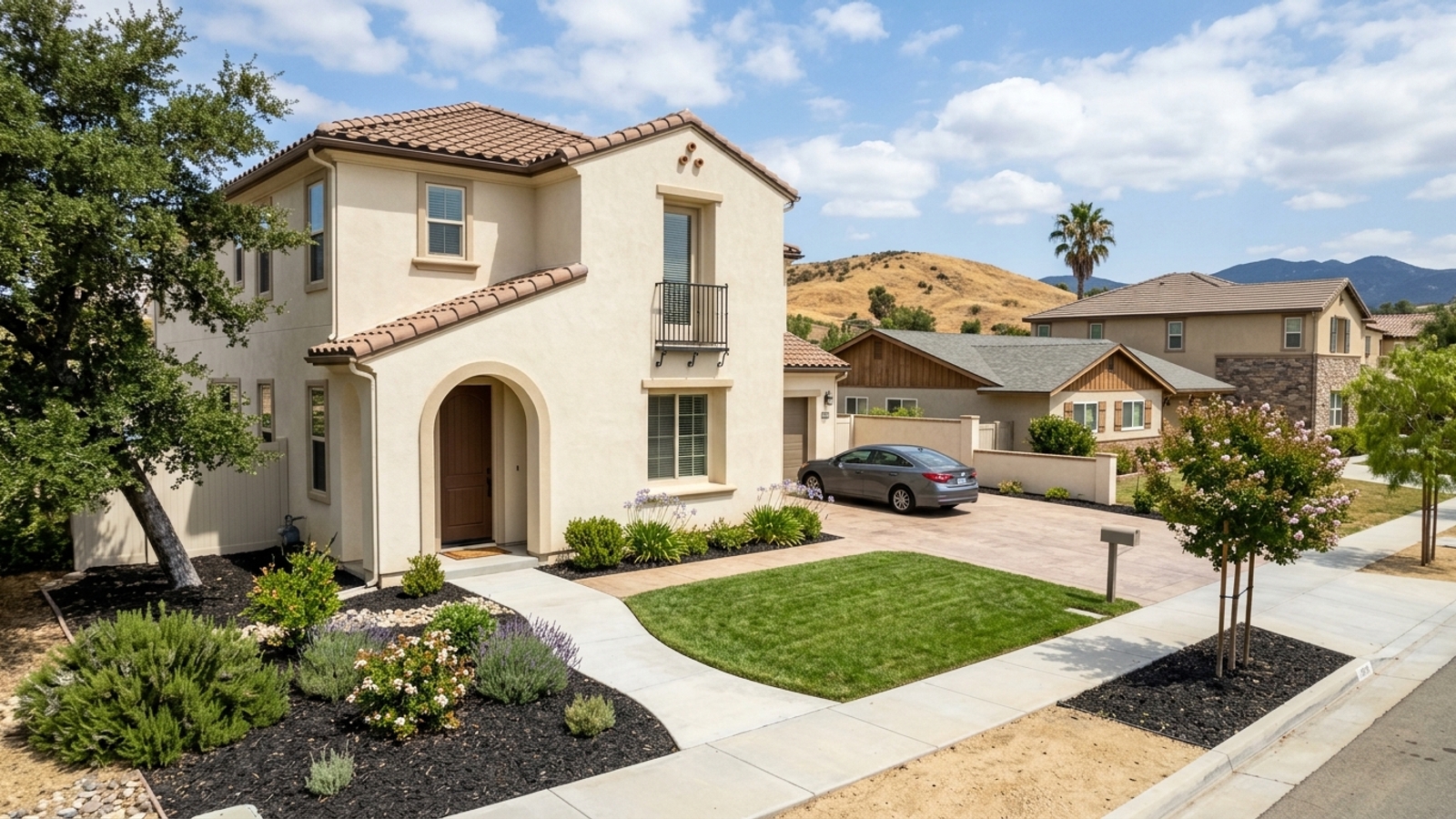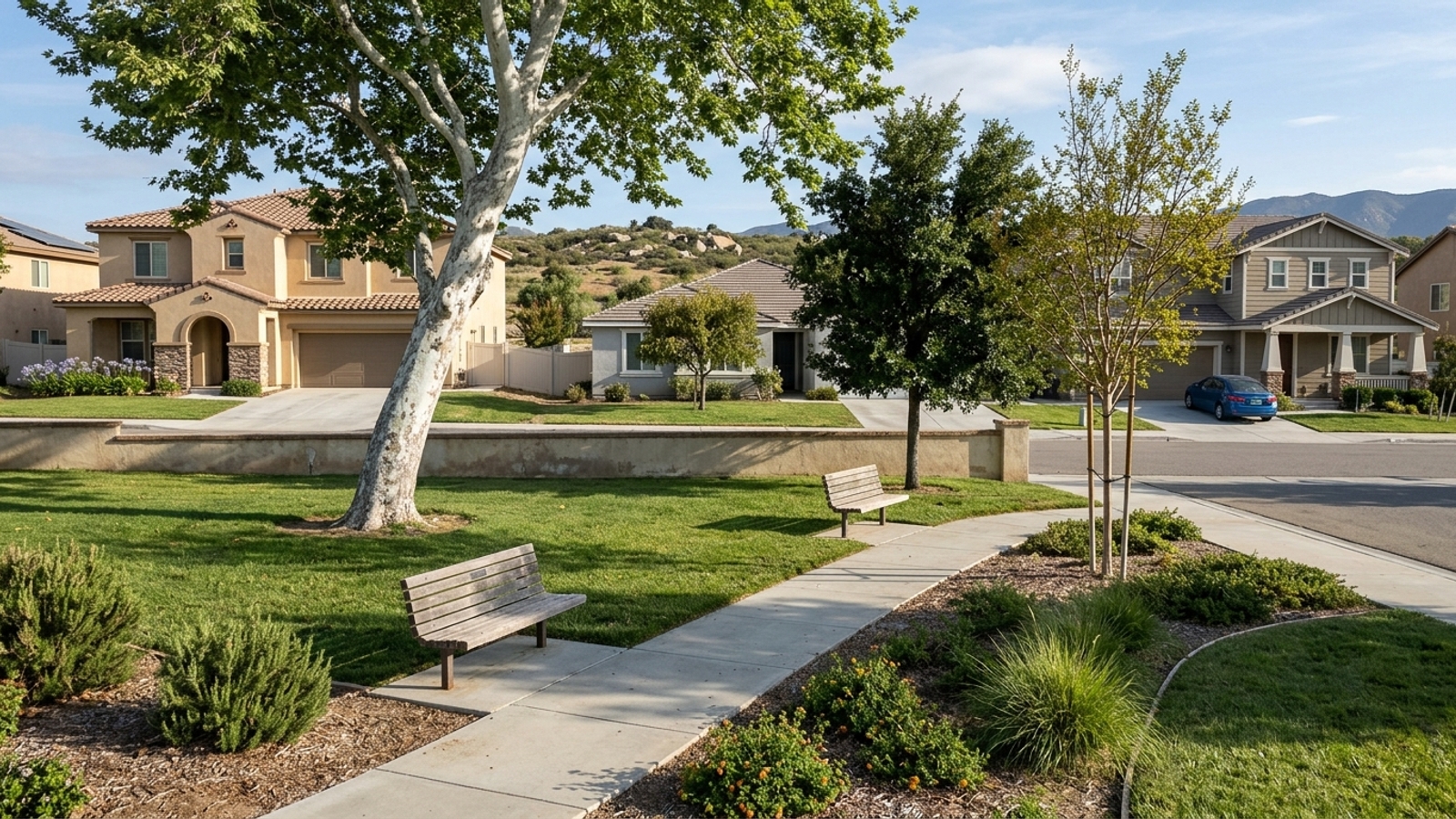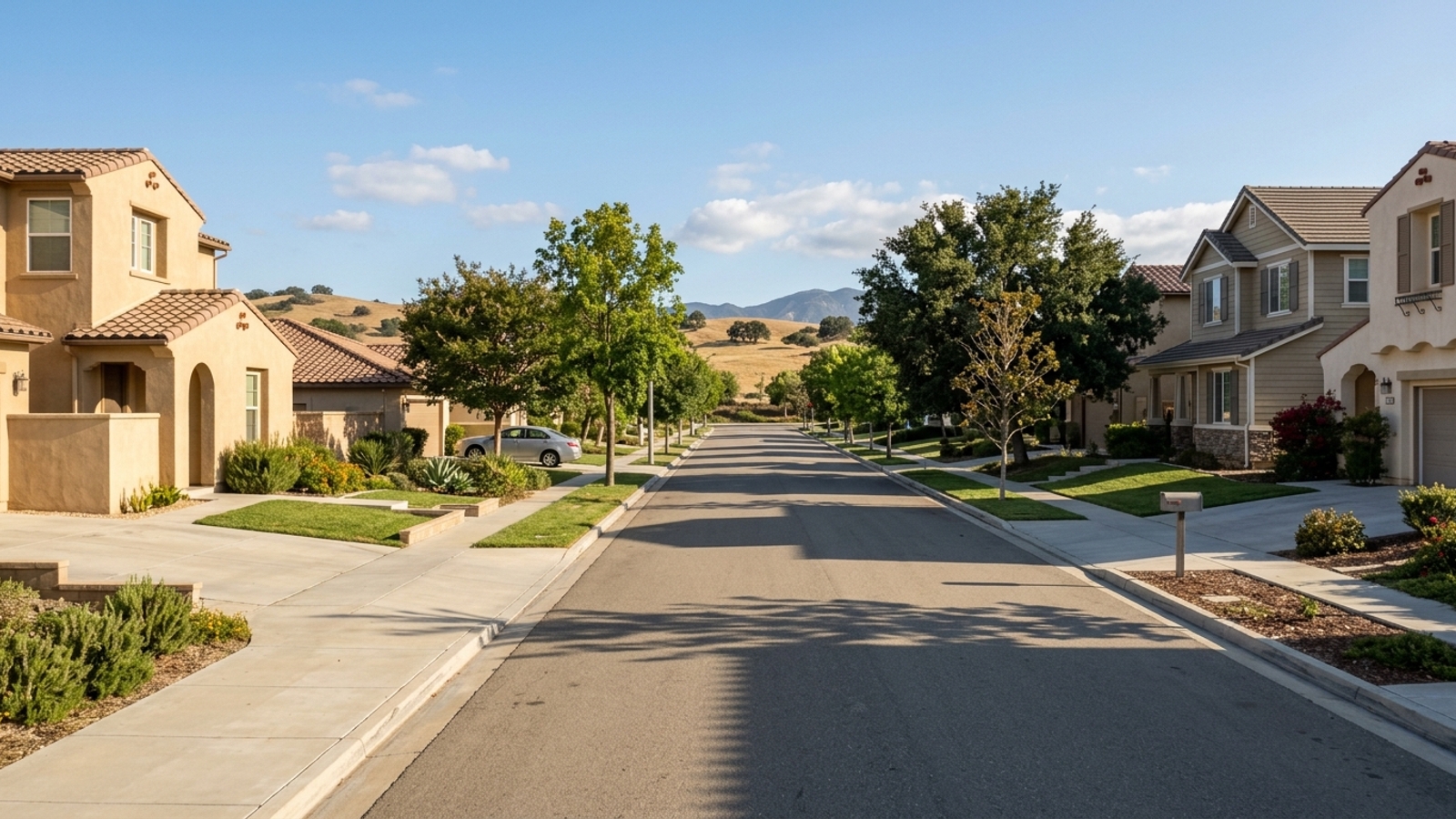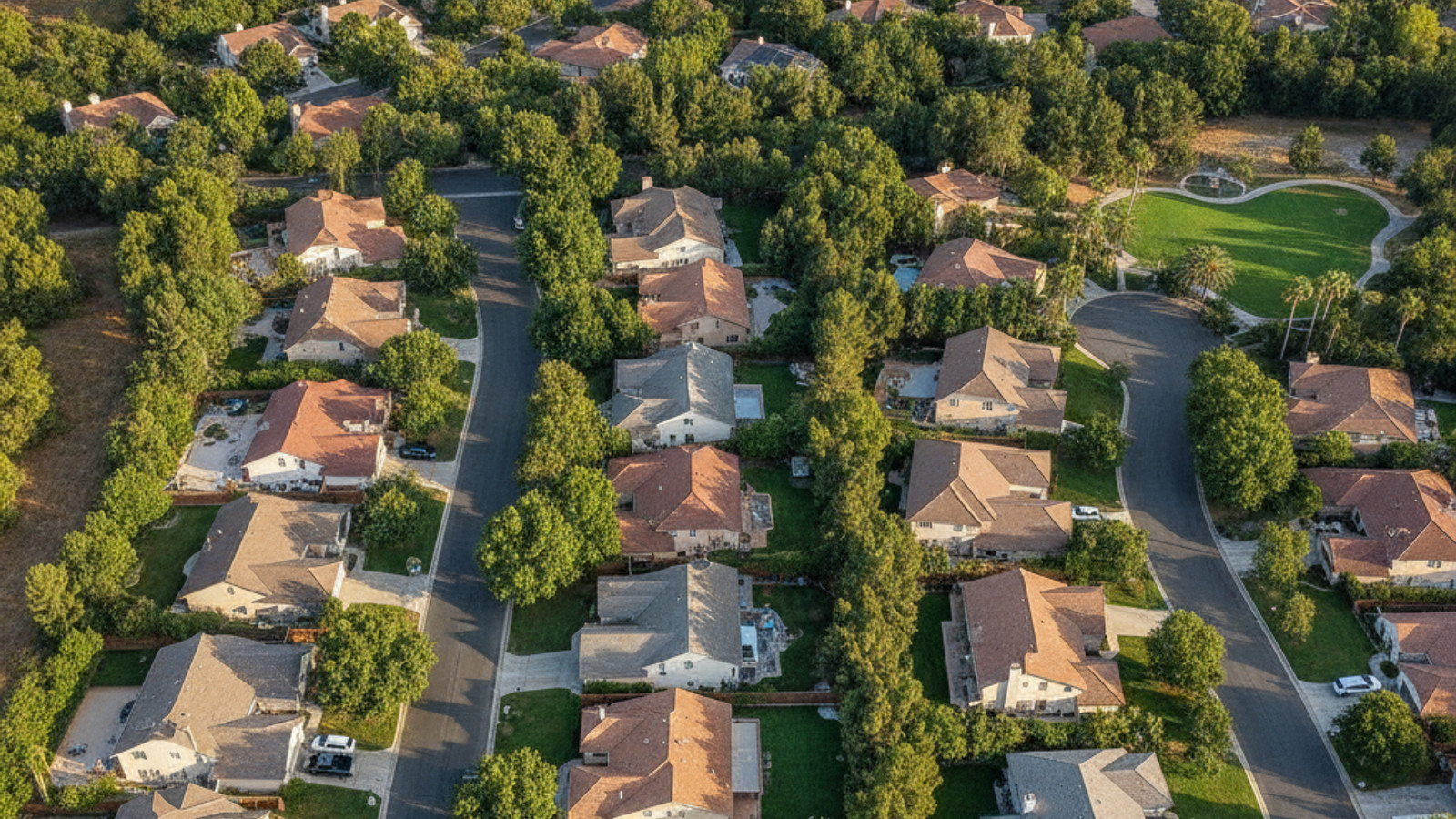
The median home sale price in Temecula, CA sits around $747,000 as of mid-2026. If you’re shopping in Riverside County, this city comes up a lot - single-family homes, townhouses, access to major Southern California employment centers, and a market that’s settled into something resembling a normal rhythm after years of turbulence. That predictability is actually useful. Both buyers and sellers can form reasonable expectations again, which makes selling or buying a home in Temecula, CA less exhausting.
Prices are still high relative to national averages. That’s not changing anytime soon. But the market has stabilized, and with roughly 2.9 months of housing supply available, you have options - more than you did a couple of years ago.
State of the Local Housing Market
Listings here run through the California Regional MLS (CRMLS), and right now the data shows about 330 homes in active inventory. The market leans slightly toward sellers, but it’s not the frenzied landscape of previous cycles. That inventory count means new buyers can actually get in without facing a near-total shortage of available properties.
With 2.9 months of supply, you’re in transitional territory. A truly balanced market runs four to six months of supply, so sellers still hold a modest edge. That said, homes are closing at roughly 99.6% of list price on average. Extreme bidding wars aren’t the norm right now.
How Quickly Homes Are Selling
The median time on market is about 35 days. Well-priced single-family homes tend to move faster; anything needing significant work tends to sit. If you’re a seller, prep matters - a home that’s ready to show from day one gets a different kind of attention than one that clearly needs effort.
About 39% of homes are selling above their initial asking price. If you’re planning to bid on something move-in ready that just hit the market, have your pre-approval letter ready and think carefully about which contingencies you’re willing to negotiate on.
Home Prices in Temecula, CA
The $747,000 median sale price is your baseline. Year-over-year, that’s up about 2.3% - steady appreciation, not a spike. The local market is holding its value without the runaway price jumps that make headlines.
Average home values, depending on which data source you’re looking at, come in somewhere between $717,000 and $720,666. The gap between median and average isn’t dramatic here. What moves the needle more is the specific neighborhood, lot size, and property type you’re targeting.
Price Per Square Foot by ZIP Code
Across the city, you’re looking at roughly $367 to $373 per square foot. That figure shifts based on location and condition.
Homes in the 92591 ZIP code average closer to $380 per square foot. Properties in 92592 tend to come in around $355 per square foot. Knowing those differences gives you a clearer picture of where your budget goes further - and where it doesn’t.
Recent Trends in Inventory and Sales
The current count of approximately 330 active listings is a meaningful shift from the scarcity of earlier years. When there are more than 300 homes on the market, you can actually compare floor plans, weigh locations against each other, and make a considered decision rather than just grabbing whatever’s available.
That said, the market is still moving. In a recent 30-day period, 113 homes closed. If you’re hunting for something specific - a single-story layout, a condo at a lower price point - you’ll want to check new listings daily rather than browsing once a week. On the seller side, more competing listings mean accurate initial pricing isn’t optional. It’s the difference between a smooth sale and a price reduction conversation three weeks in.
Are Local Prices Dropping?
The short answer is no. The 2.3% year-over-year increase in median sale prices points to stabilization, not decline. Buyers hoping for a significant correction in California haven’t seen it materialize here.
What has changed is how sellers are pricing. Homes are being listed more realistically in relation to current interest rates, which means buyers can often get to a deal near asking price without abandoning standard inspection contingencies. That’s a more sustainable dynamic than what the market looked like during the peak years.
Market Forecast for the Rest of 2026
The expectation through the remainder of 2026 is more of the same steady pace. Nearly three months of supply suggests a soft landing - inventory turning over at a healthy rate without the price swings that come from either extreme scarcity or a sudden flood of listings.
Buyers holding out for a crash are likely to keep waiting. Consistent demand from the Inland Empire continues to underpin property values here. If you’re a seller with a well-maintained home, plan for roughly a month of marketing time before you’re under contract.
Timing Your Purchase
Trying to time the market precisely almost never works the way buyers hope it will. Personal financial readiness and long-term housing needs are far more reliable guides than trying to call a market bottom.
If you buy now and plan to stay for several years, the steady historic appreciation of Riverside County real estate gives you a reasonable foundation for building equity. The current stabilization in prices is its own form of reassurance - you’re not buying at a frenzy-driven peak.
Income and Affordability in Riverside County
A $747,000 home requires a serious financial foundation, and the local income picture reflects that. In 2024, the median household income in Temecula was recorded at $121,063, up from $117,840 the year before. That income growth helps, though the gap between what people earn and what homes cost here remains a real consideration.
Your budget calculation needs to include more than principal and interest. Property taxes, utilities, insurance, and regular maintenance all factor into what homeownership actually costs month to month.
Factoring in Additional Housing Costs
Many neighborhoods in the area carry HOA fees that cover community amenities and exterior maintenance. Those fees go into your debt-to-income ratio, so they affect how much a lender will approve you for - not just how much cash you need each month.
A local lender is your best resource for running the real numbers based on current interest rates and your specific financial picture. The goal is making sure your payments stay manageable over the life of the loan, not just on closing day.
Deciding Whether to Buy or Invest Here
This market draws both primary residents and long-term investors, and it’s not hard to see why. Access to wine country, major commuting routes, and established commercial centers within the city all support steady housing demand. The infrastructure is there.
Investors pay attention to the rental market, and with a mix of single-family homes and condos available, there’s more than one way to build a portfolio here. Consistent housing demand keeps vacancy rates manageable for property owners - though you should run your own numbers rather than assuming any particular return.
Property Types and Options
The housing stock runs the range from suburban single-family homes to lower-maintenance townhouses. Condominiums often represent the more accessible entry point for first-time buyers who are priced out of detached homes at the $747,000 median.
Figure out early what you actually need - yard space, commute time to San Diego or Orange County, proximity to parks or retail. Narrowing that down before you start touring saves everyone time, yours especially.
Practical Tips for Buyers and Sellers
Sellers: you’re competing against roughly 330 active listings. Curb appeal and minor cosmetic updates matter. Professional photos and a fresh coat of paint genuinely affect how fast you get offers - it’s not glamorous advice, but it’s accurate.
Buyers: get pre-approved before you start touring. You’ll avoid wasting time on homes outside your range and you’ll be able to move quickly when the right property shows up. In a market where the median days on market is about 35, hesitation has a cost.
Applying the 3-3-3 Rule
A guideline that many real estate professionals reference is the 3-3-3 rule: expect three days of initial overwhelm after moving in, three weeks to establish new habits, and three months before you feel fully settled.
It’s a simple framework, but it’s useful. A new mortgage payment and a new neighborhood take adjustment, and knowing that the discomfort of the first few months is normal - not a signal that you made a mistake - is worth keeping in mind.
Frequently Asked Questions
Are home prices dropping in Temecula, or is it currently a seller’s market?
Home prices are generally stable and not dropping. The median sale price is currently around $747,000, representing a 2.3% year-over-year increase, and with roughly 2.9 months of supply, the market slightly favors sellers.
How much do Mello-Roos taxes and special assessments add to monthly housing costs in Temecula?
This varies widely by neighborhood, so you’ll need to check the specific property listing for exact Mello-Roos and special assessment fees. For broader context, the median household income in Temecula was $121,063 in 2024, which gives you a benchmark for gauging overall affordability when factoring in those additional tax burdens.
How many days does it typically take to sell a house in the Temecula area right now?
The median time on market is roughly 35 days. Well-priced homes often sell faster, while the overall active inventory sits at about 330 properties.
Should I buy a house in Temecula or Murrieta for the best long-term property appreciation?
It depends on your specific goals, but Temecula has shown steady growth with a 2.3% year-over-year increase in median sale prices. Reviewing active listings on the California Regional MLS (CRMLS) will let you compare current values and inventory across neighboring cities directly.
What down payment assistance programs are available for first-time homebuyers in Temecula?
Talk to a local lender or contact the California Housing Finance Agency for current down payment assistance options - those programs change, and you want current information. When budgeting, keep in mind that the median home price in Temecula is approximately $747,000 and homes are selling for about 99.6% of list price.
Will I have trouble getting affordable fire insurance for a property located near Temecula Wine Country?
Insurance availability depends on the specific property’s location and risk factors. If you’re looking at homes near natural brush areas, contact insurance brokers early in the process - before you’re committed - to confirm rates and coverage options on a home at or near the $747,000 median price point.