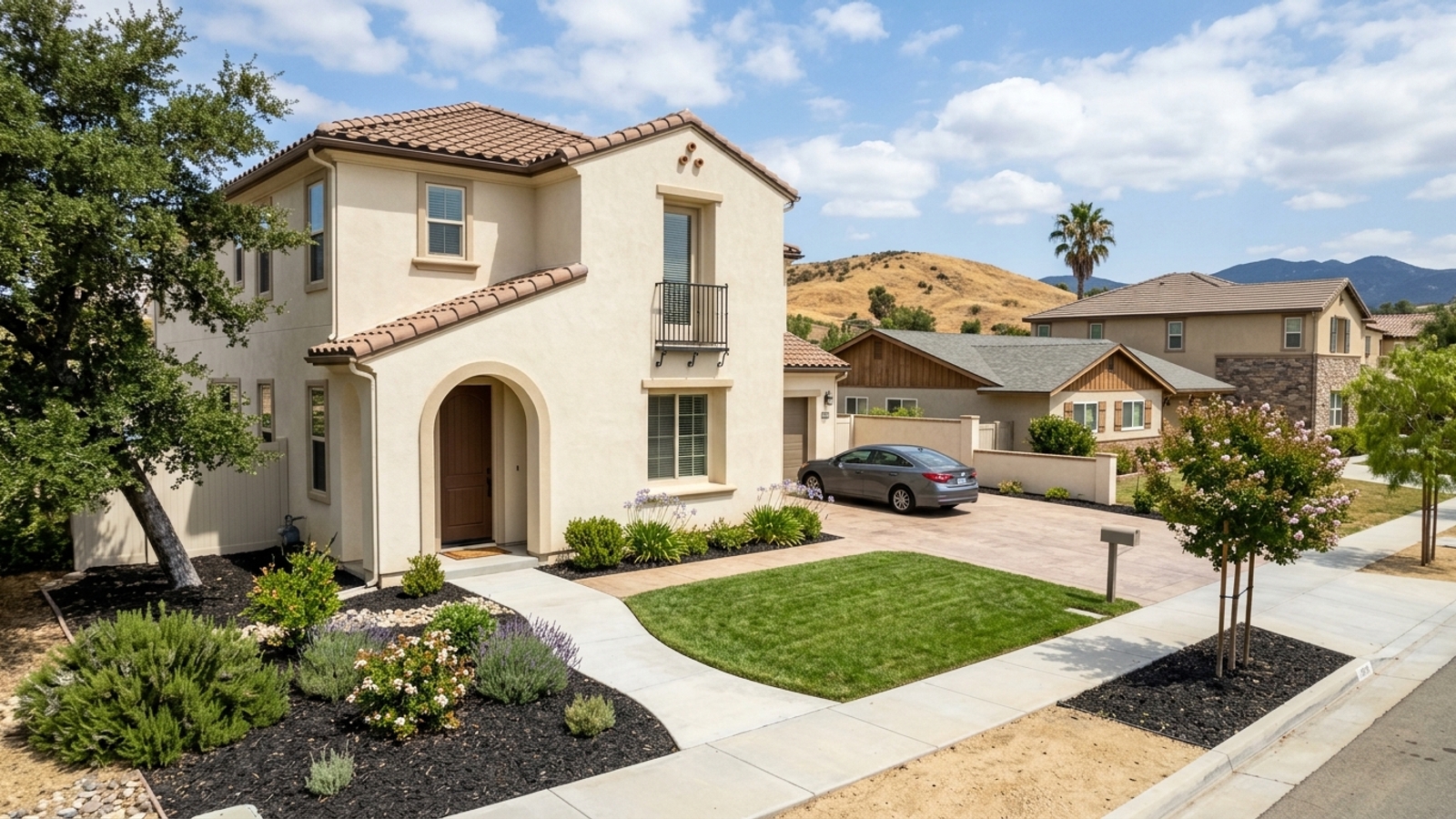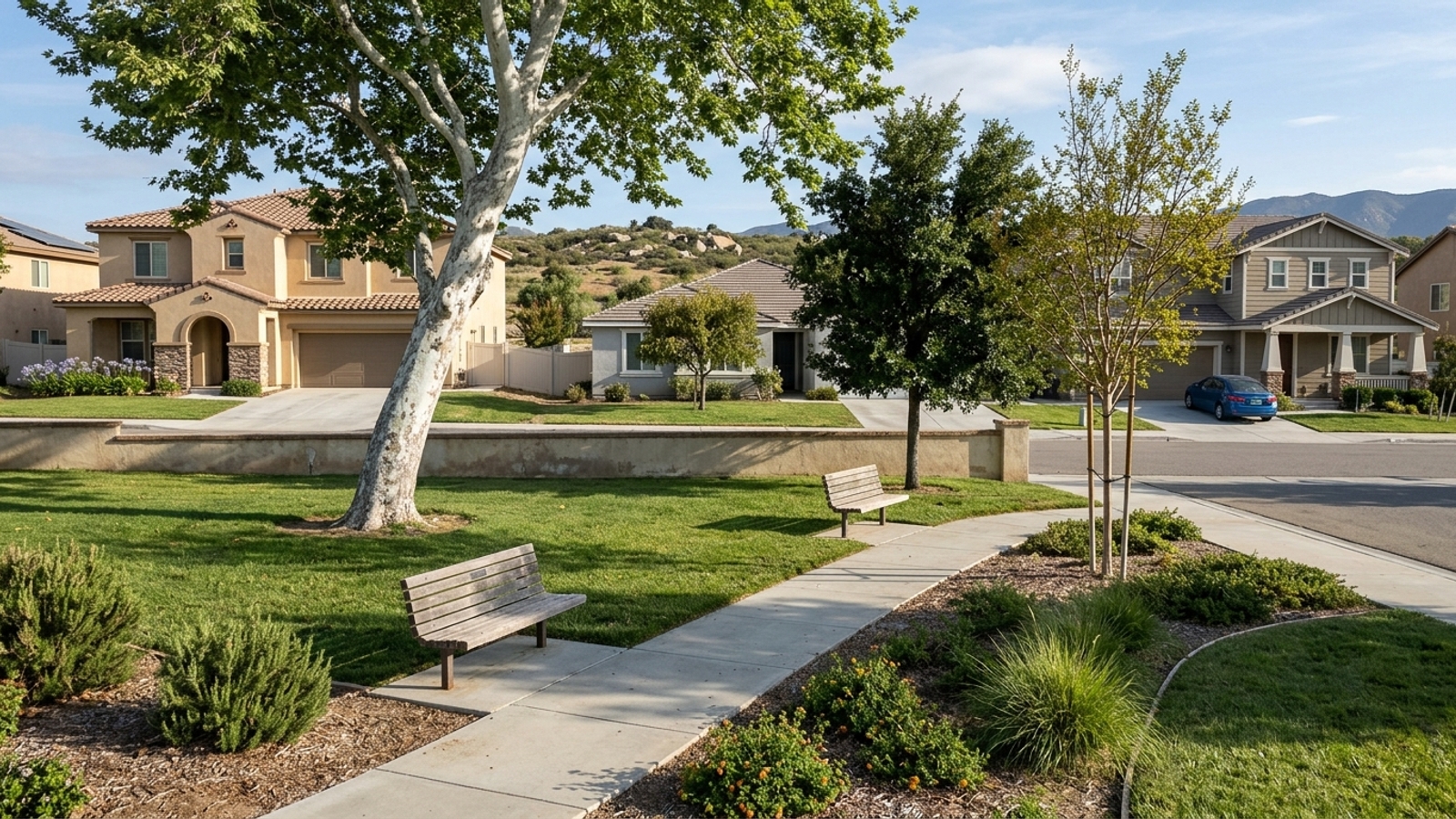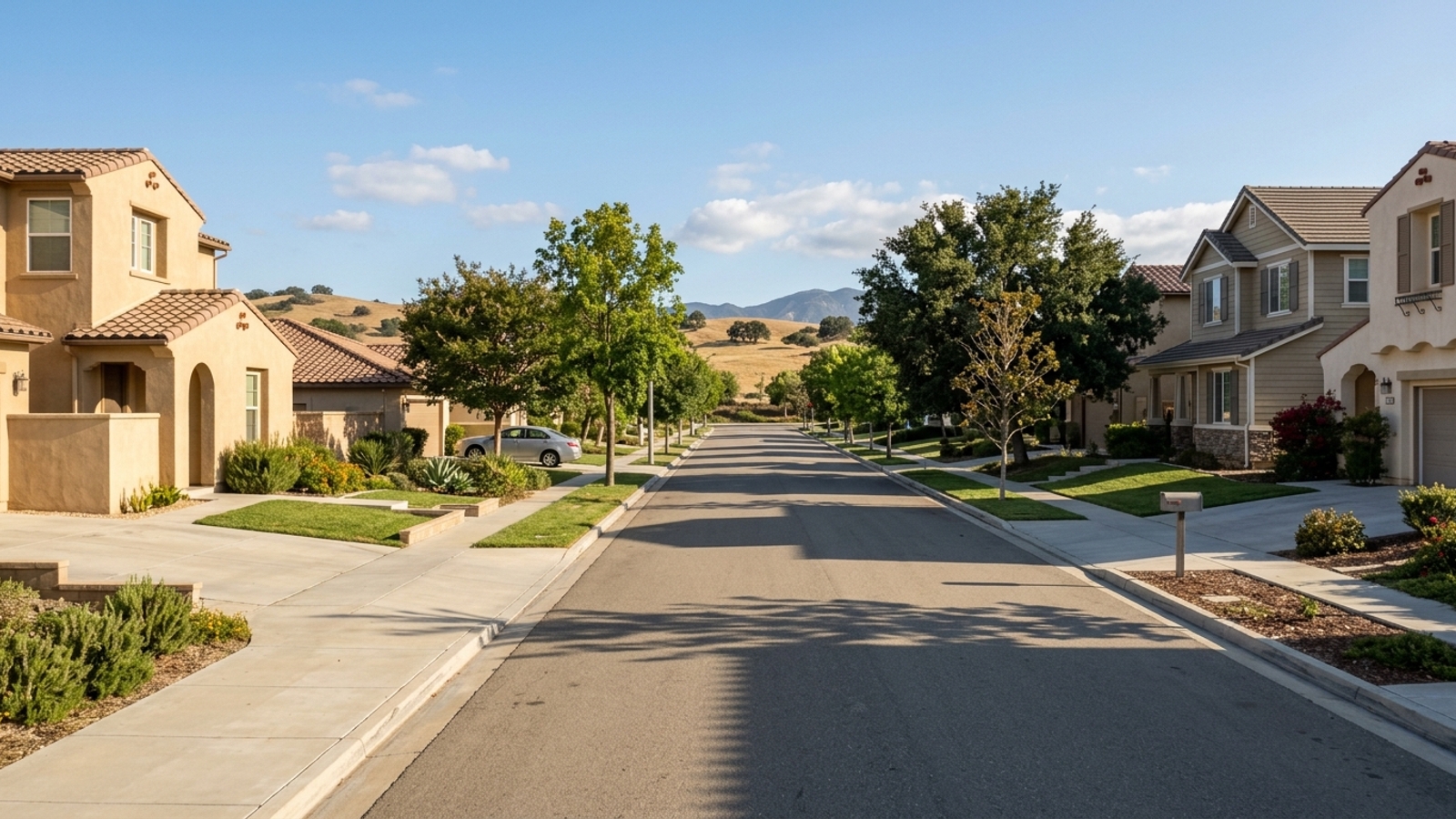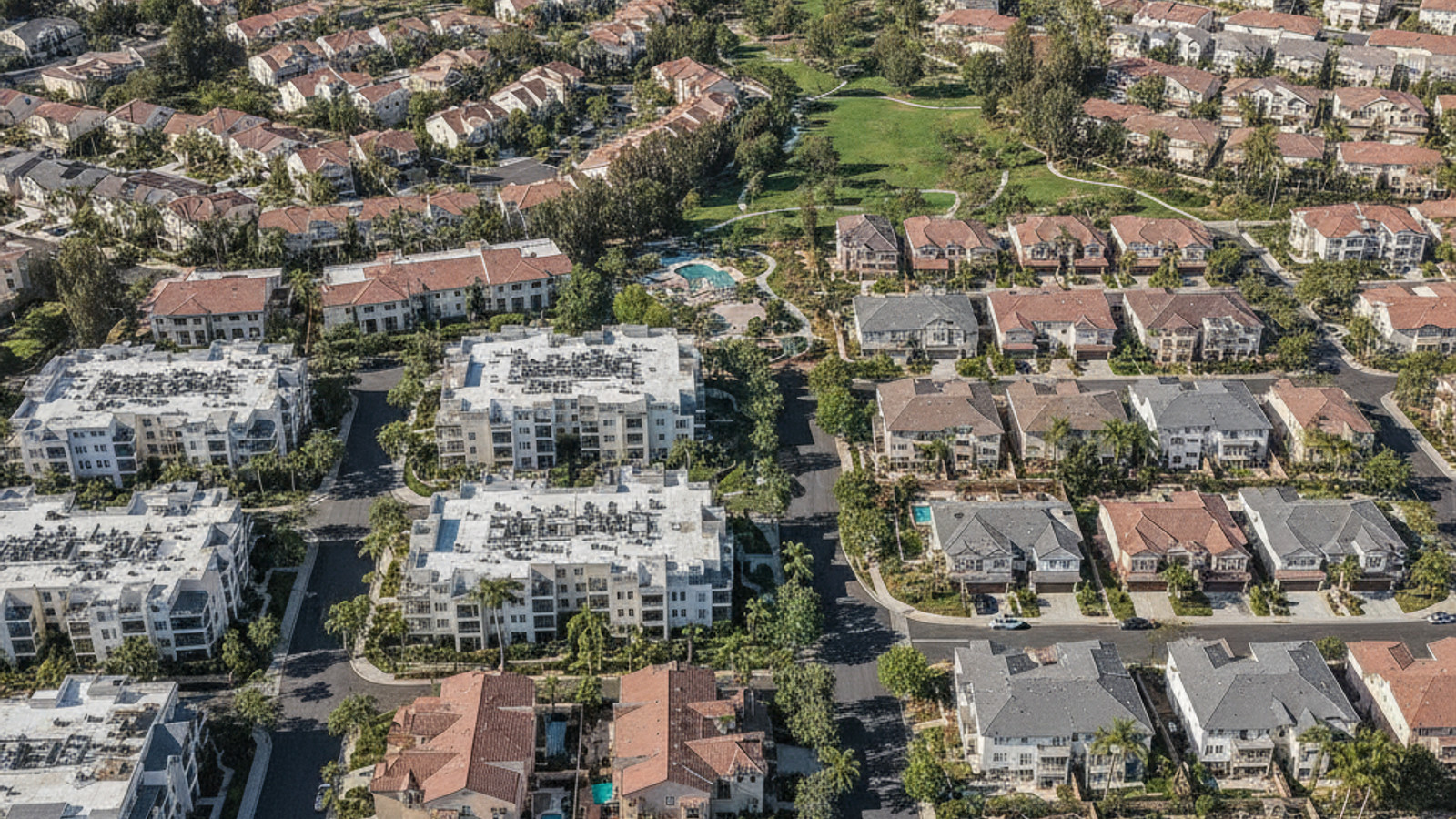
As of mid-2026, the median sale price for a home in Temecula, CA sits around $747,000. Homes are spending an average of 35 days on the market, with about 113 selling in a typical month, which is a fast pace for first-time home buyers in Temecula, CA. If you’re weighing the types of homes in Temecula, CA, you’ll find large single-family estates at one end of the spectrum and more accessible attached properties at the other.
Condominiums and townhouses offer a real lower barrier to entry in a city where the cost of living runs notably higher than the national average. Once you start looking at active inventory, you’ll notice distinct neighborhoods, a wide range of HOA fees, and community amenities that vary considerably from one complex to the next.
Finding a Condo in Temecula
There’s a steady supply of attached homes across the city. Recent snapshots show about 62 condos and townhouses actively for sale on platforms like Movoto, sitting within a broader market that carries roughly 330 total homes.
For buyers who want to live near the city’s commercial centers without taking on exterior maintenance, attached properties are worth a serious look - they’re a genuine alternative to the detached single-family market, not just a fallback.
Searching by Size and Layout
Attached homes here range from compact one-bedroom units to spacious multi-story townhouses. A one-bedroom condo is a straightforward layout for individuals or couples; two-bedroom units give you room for a home office or guests without jumping into a much higher price tier.
Townhouses typically offer more square footage and often come with attached garages. They function much like single-family homes in day-to-day life - you just share an adjoining wall or two.
Tracking Active Listings
The market moves at a moderate pace, with homes selling in roughly a month. That means you don’t have minutes to decide, but you don’t have months either. Monitor new listings daily, and set up automated alerts through a local brokerage so you see new properties the moment they hit - especially when a well-priced unit comes up at your preferred bedroom count.
Current Condo Prices and Real Estate Trends
Pricing for attached homes falls well below the city’s overall $747,000 median. One-bedroom condos in Temecula carry a median price of about $355,000, two-bedroom units sit around $465,100, and townhomes represent the upper tier at a median of about $575,000.
Long-term, the numbers here are hard to ignore. Temecula real estate has posted a cumulative appreciation rate of roughly 98.95% over the last ten years, with a 3.07% increase over the most recent twelve months.
California Market Forecasts
Statewide trends shape what buyers should expect locally. The California Association of Realtors forecasts the state’s median home price to rise 3.6% to $905,000 in 2026, following a projected 1.0% increase in 2025. Statewide inventory remains about 5.6% below year-ago levels, which keeps upward pressure on prices even as the broader market thaws.
Deciding When to Buy
Waiting for a dip is a real gamble in a market that’s been appreciating. Temecula’s annual average appreciation rate over the past decade sits at roughly 7.12% - which means delaying a purchase typically costs more than it saves.
Base your timing on your actual budget and housing needs rather than on trying to call the market’s next move. Securing a unit at current interest rates at least lets you start building equity immediately.
Understanding HOA Fees for Attached Homes
HOA dues are part of the deal when you buy a condo or townhouse - full stop. In Temecula, monthly HOA fees in 2026 typically start around $34 in older sections of Redhawk and reach $330 or more in gated luxury areas like Sommers Bend. Most single-family neighborhoods land between $75 and $200 per month.
Condo-specific fees run higher. Local agents put typical condo HOA fees between roughly $250 and $400 per month - and there are real reasons for that difference.
What Condo Fees Typically Cover
Higher condo fees generally cover exterior building maintenance, roof repairs, and master insurance policies, which takes a meaningful chunk of out-of-pocket maintenance costs off your plate. Many associations also maintain shared amenities - some listings show HOA dues around $325 per month that cover community pools, spas, and landscaped common areas.
Questions to Ask Before Buying
Before you close, look hard at the association’s financial health. The most important question is whether the HOA holds enough reserve funds to cover major upcoming repairs without issuing a special assessment - because a surprise $10,000 bill a year after closing is not a pleasant experience.
Also ask about rental restrictions and pet policies. Some communities cap the number of units that can be rented out at any given time, and if you’re buying with any investment intent, that detail matters.
Popular Neighborhoods for Attached Homes
Attached homes are spread across several well-known master-planned communities. The neighborhoods that come up most frequently in Temecula listings include Harveston, Redhawk, Morgan Hill, Meadowview, Crowne Hill, Old Town Temecula, and Wolf Creek - each with a different feel and a different mix of amenities.
Some areas offer a walkable, more urban environment. Others are quieter and more suburban. It’s worth driving through more than one before you commit.
The Verona Community
Among specific complexes, the Verona community in Temecula shows up regularly in listings as a sought-after condo location. Properties here frequently market around resort-style living, with well-maintained grounds and what residents tend to describe as a strong sense of community.
Old Town and Central Districts
Old Town Temecula offers a noticeably more walkable experience than the city’s suburban edges - restaurants, shops, and entertainment venues within easy reach. Properties near the Riverside County borders also work well for commuters who want to minimize daily driving time. If that’s your situation, these central locations are worth prioritizing in your search.
Golf Course and Wine Country Properties
Temecula is famous for its vineyards, but the attached housing market is concentrated in master-planned amenity centers rather than rural acreage. Buyers looking for lifestyle-focused properties will find communities built around distinct recreational features instead.
Harveston is the clearest example of this approach - it’s built around Harveston Lake, with homeowners paying into an association that covers district-wide amenities including the lake itself and a wellness center. That’s the trade-off in master-planned living: you pay dues, and you get infrastructure that would be impossible to replicate on your own.
Resort-Style Living Amenities
Communities with resort-style features - large pool decks, fitness centers, clubhouses - cater to buyers who want recreational options close to home. The higher HOA fees in these neighborhoods exist because those facilities don’t maintain themselves.
Before you fall in love with a pool you’ll use twice a year, run the honest math on how often you’ll actually use the shared spaces versus what you’re paying monthly to access them.
Luxury and New Construction Options
The luxury attached market offers upgraded finishes, larger floor plans, and premium locations - units that genuinely rival single-family homes in price and interior quality. New construction condos and townhouses do come to market occasionally, bringing modern energy efficiency and smart-home technology along with the simplicity of moving in without immediate renovation work.
Townhomes, Duplexes, and Multi-Family Options
The attached market is broader than just condominiums. Townhouses, duplexes, and multi-family properties each come with different ownership structures and different investment profiles worth understanding before you start making offers.
Townhomes across the city carry a median price of about $575,000. They typically offer multiple stories, private entrances, and small private outdoor spaces - a meaningful step up from a standard condo footprint.
Townhomes Versus Condos
The legal distinction is worth understanding. Townhouse owners typically own the land directly beneath their unit; condo owners hold joint ownership of the shared building footprint. That difference can affect your financing options and insurance requirements, so it’s not just a technicality.
Townhomes also tend to feel more like traditional houses in daily life. You rarely have neighbors above or below you, which makes a real difference in noise transfer between units.
Multi-Family and Investment Properties
Duplexes and small multi-family buildings appeal to buyers who want to generate rental income - live in one unit, rent the others to help cover the mortgage. It’s a reasonable strategy, but it comes with a larger upfront investment and the reality of being a landlord. Run the potential rental yields carefully before you make an offer.
Deciding if an Attached Home Fits Your Budget
Housing costs drive overall expenses in this region. Cost of living indices for Temecula range from 131.2 on BestPlaces up to 155 on AreaVibes - both using 100 as the national average - which tells you this isn’t a cheap market by any measure.
Attached homes offer a practical entry point. By trading a large private yard for shared amenities, you can secure a home in a desirable location for less than the cost of a detached house. That’s not a consolation prize - it’s a real calculation that works for a lot of buyers.
Best Fit for First-Time Buyers and Downsizers
First-time buyers often use condos as a stepping stone: the lower purchase price makes saving for a down payment more realistic and qualifying for a mortgage more straightforward. You build equity, and when you’re ready to move up, you’ve got something to sell.
Downsizers and retirees tend to appreciate these properties for different reasons. Reduced maintenance means less time on yard work and exterior repairs - which, at a certain point in life, is genuinely valuable.
Buying Versus Renting
Renting keeps your options open, but it leaves you exposed to annual lease increases with nothing to show for it. Buying a condo locks in a fixed monthly mortgage payment for the life of the loan - and in a market that has shown consistent long-term appreciation, you’re building personal wealth at the same time.
Compare current rental rates against the combined cost of a mortgage and HOA dues. The gap might be smaller than you think.
Frequently Asked Questions
Do all single-family neighborhoods in Temecula have Mello-Roos taxes and HOA fees?
No - these costs vary widely by neighborhood. Temecula monthly HOA fees typically run from about $34 in older sections of Redhawk up to $330 or more in gated luxury areas, with most single-family neighborhoods landing between $75 and $200 per month. Many older neighborhoods have no HOA fees at all.
What are the typical HOA fees for townhomes and condos in Temecula compared to single-family homes?
Condo and townhome owners generally pay higher association dues to cover exterior building maintenance. Local agents note that typical condo HOA fees usually fall between $250 and $400 per month. Most single-family neighborhoods, by comparison, carry lower fees ranging from $75 to $200 per month.
Are there still new construction tract homes being built in Temecula, or is the market mostly resale?
The market is predominantly resale, with homes spending an average of 35 days on the market. That said, buyers can still find new construction condos and townhomes sprinkled among the roughly 330 active listings currently available.