The median home price in Temecula, CA, sits at approximately $747,000 as of mid-2026. At any given time there are roughly 330 homes available, and about 113 are selling each month - so this isn’t a market where you can browse at a leisurely pace when buying a home in Temecula, CA.
Temecula is in Riverside County, CA, and functions as one of the main residential anchors in the Riverside-San Bernardino-Ontario metropolitan area. Before you start scheduling tours, review how the city is laid out and what each part of it will cost you.
How Temecula Neighborhoods Are Organized
The housing stock here spans a pretty wide range - early developments, attached housing, and newer master-planned communities all coexist within the same city limits. What ties them together is that most of Temecula’s residential growth happened in planned phases, which is why you end up with distinct, named pockets like Redhawk, Wolf Creek, and Morgan Hill rather than one continuous sprawl.
HOA involvement varies depending on which subdivision you’re looking at, and so do the architectural styles. Read the community rules for any specific area before you book showings - some of these associations are fairly hands-on.
City Layout and Subdivisions
Old Town Temecula is the recognized historic district at the center of things, anchoring the local retail corridor. Residential subdivisions fan out from there, ranging from dense condo developments to detached homes on larger lots.
The bigger master-planned communities tend to sit in the southern and eastern portions of the city. Those developments typically come with HOAs managing shared amenities and common landscaping - which means added monthly costs you’ll want to account for.
The Riverside County Context
The combined Temecula-Murrieta metro area has a population exceeding one million people, and that scale drives consistent housing demand. Buyers relocating from elsewhere in Southern California often compare what’s available here against neighboring Murrieta and French Valley before settling on a target area.
Temecula’s pricing reflects its role as a major commuter hub for Southern California workers.
Mapping Out Temecula Housing
If you haven’t spent much time driving the city, a map session before your first tour will save you real headaches. The geographic layout tells you a lot - denser attached housing concentrates near retail centers, while detached single-family homes spread outward along the main traffic arteries.
Subdivision locations relative to the highways also shape your commute math considerably.
Using a Digital Map
A digital neighborhood map lets you pinpoint the actual boundaries for communities like Harveston and Vail Ranch rather than guessing from a street name. You can toggle layers to view property lines, nearby commercial districts, and major intersections - which makes it straightforward to estimate drive times to places like the Promenade Mall or the police substations in Old Town.
Breaking Down North, South, and West Areas
The northern sections offer quicker access to neighboring towns and a mix of established subdivisions. Head south and you’re in the large master-planned communities - extensive sidewalk networks, shared parks, that kind of footprint. The western parts of the city bring different elevation changes and lot configurations into the picture.
Each zone carries its own baseline pricing and its own dominant property type.
Home Types and Prices Across Temecula
The inventory here runs from early-1900s historic structures to modern attached townhomes. With roughly 113 homes selling in a typical recent month and properties averaging about 35 days on market, you don’t have the luxury of sitting on a decision for weeks.
Price differences across the city come down to home age, lot size, and what community features - if any - come with the address.
Detached Single-Family Properties
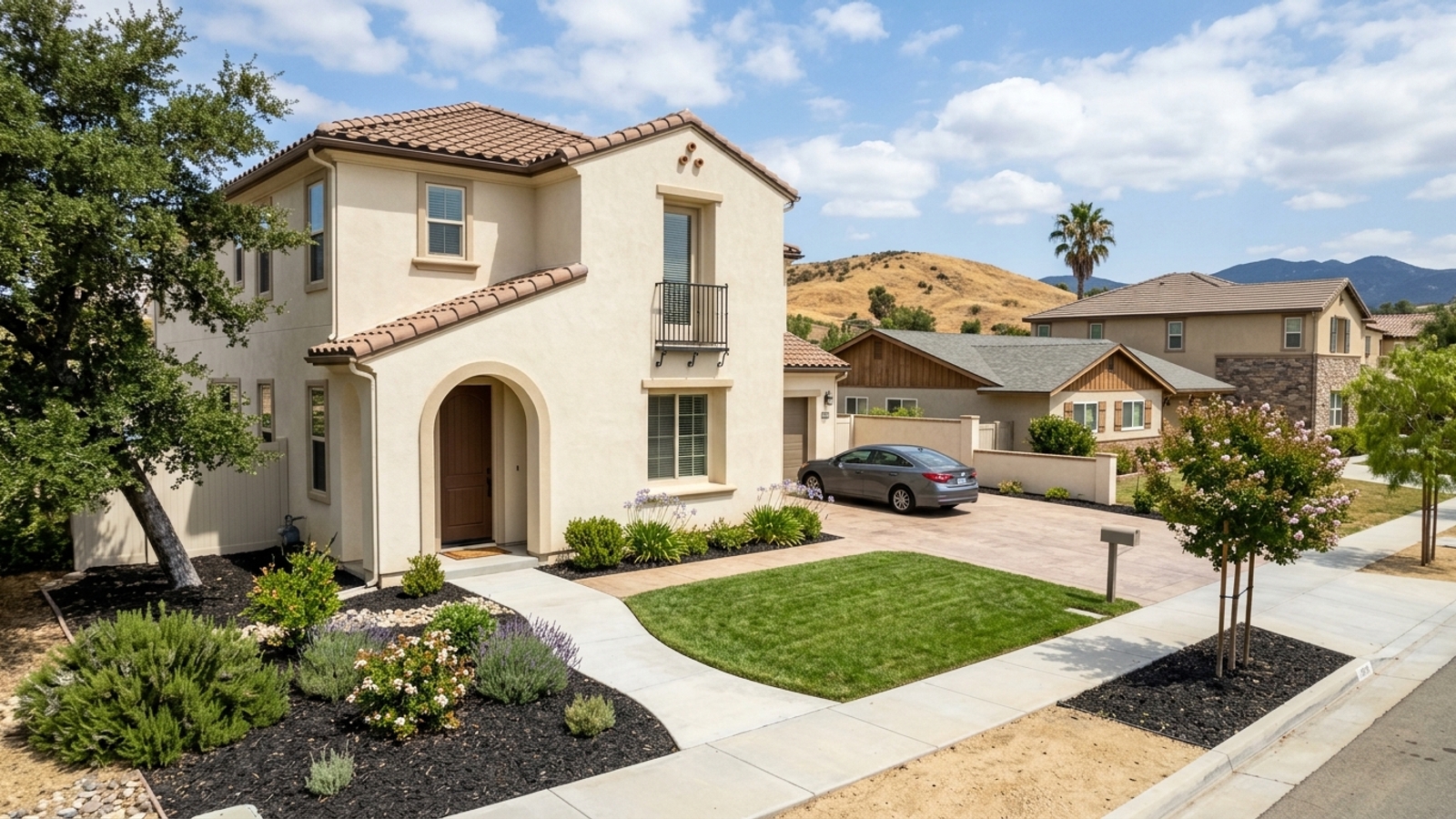
Detached single-family homes make up the bulk of available inventory in areas like Meadowview and Wolf Creek. Multi-car garages, private yards, and modern floor plans are standard in these communities.
Prices generally align with or exceed the city’s median of $747,000. Larger homes in established master-planned communities tend to carry a premium over older properties that sit outside any HOA structure.
Condos and Attached Housing
If lower exterior maintenance is a priority, attached homes and condos near the city’s commercial hubs are worth a look. The entry price is typically lower than detached single-family homes, but don’t stop at the purchase price - monthly association dues fund the shared pools and fitness centers, and those fees add up.
Historic Districts and Master-Planned Construction
Old Town properties almost never hit the market, and when they do, they offer an architectural profile that’s completely different from the rest of the city. The trade-off is immediate walkable access to central dining and retail.
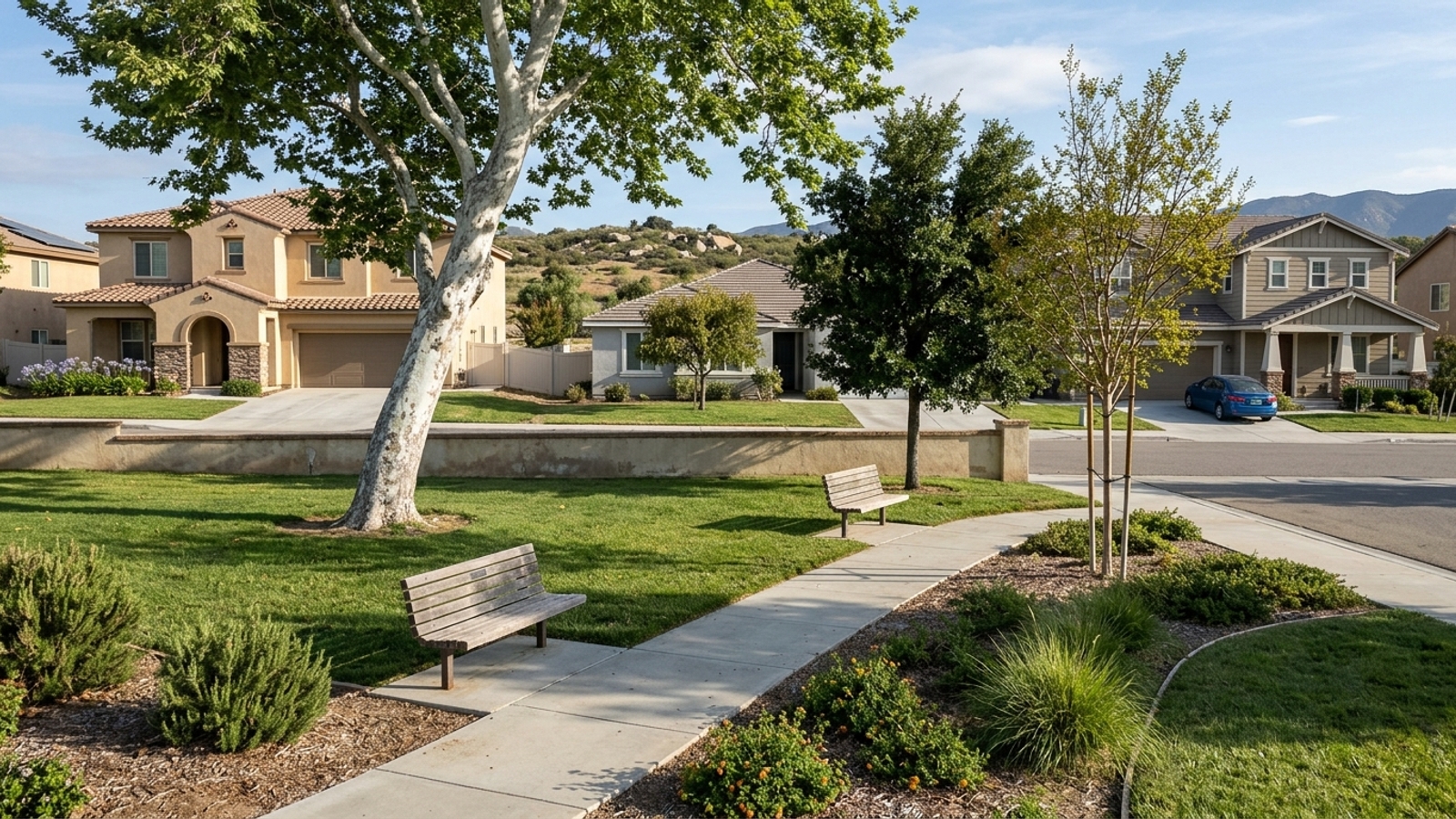
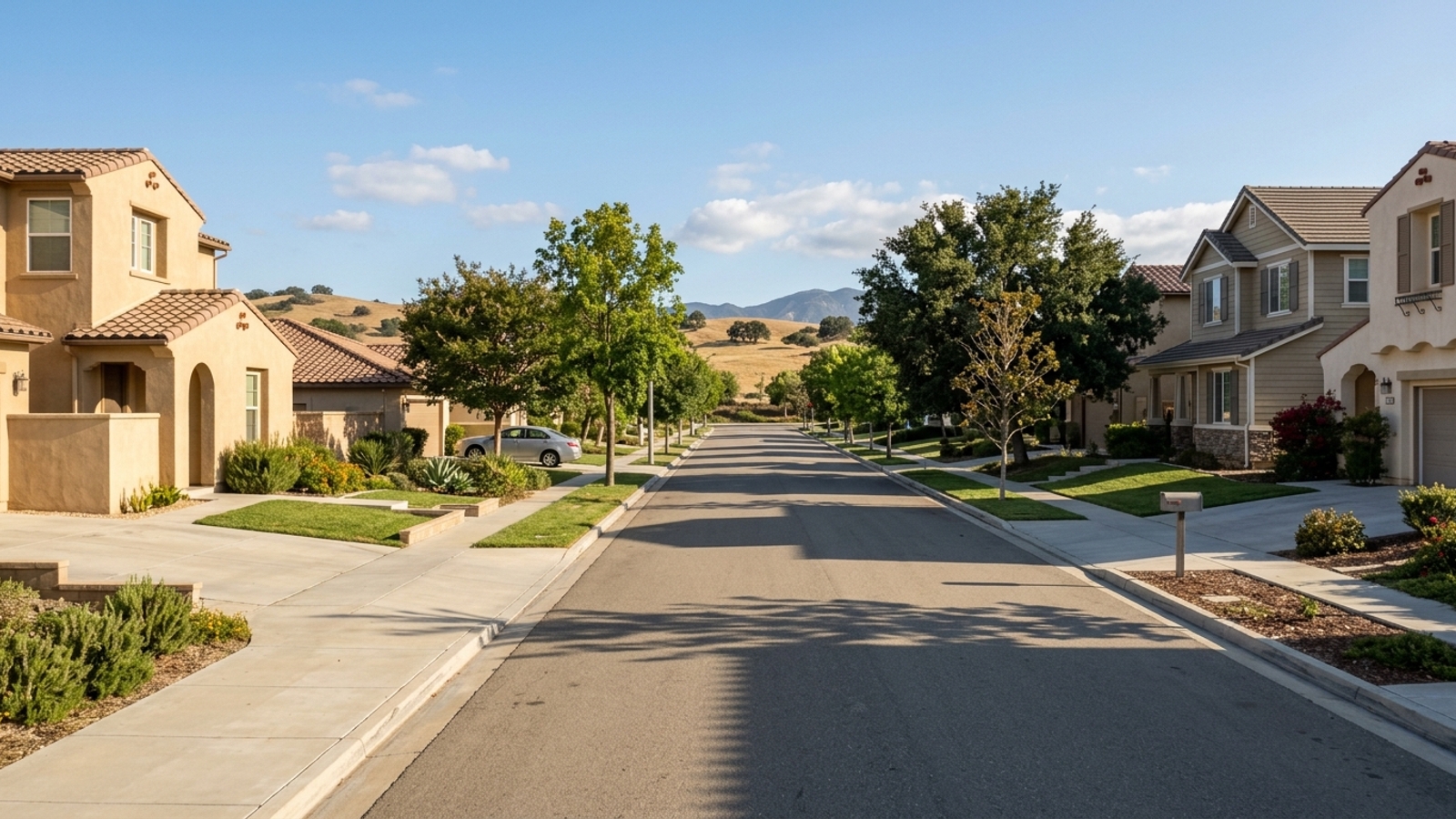
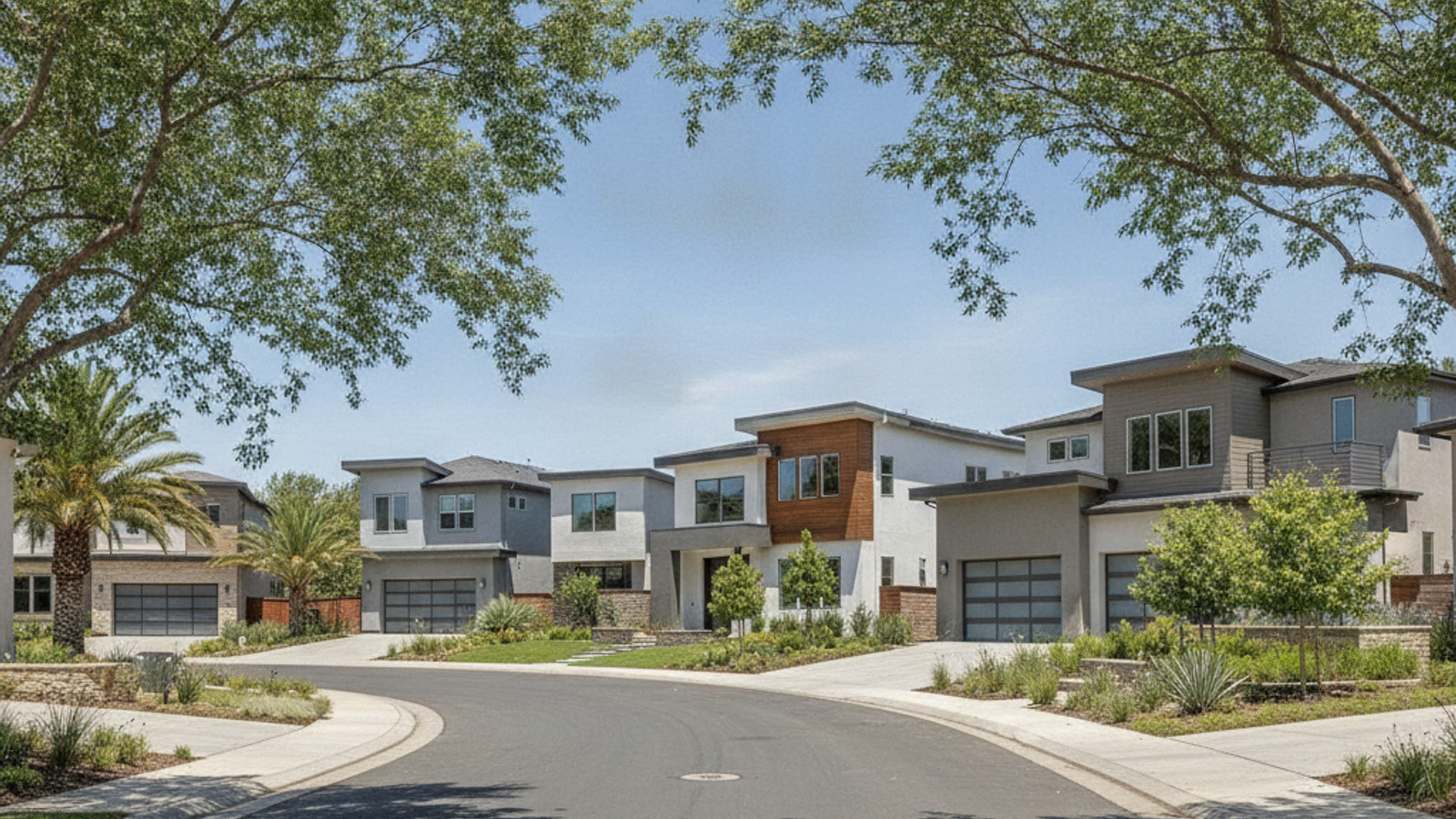
On the opposite end, master-planned communities like Harveston come with newer construction, uniform streetscapes, integrated sidewalks, and specific architectural guidelines governing what you can and can’t do with the exterior of your home.
The Real Estate Market and Local Costs
Homes here are selling for about 99.7% of list price, which tells you sellers aren’t leaving much on the table. Nearly 40% of recent sales closed above the initial asking price - that’s not a fluke, that’s sustained buyer demand showing up consistently.
With roughly 2.9 months of housing supply available, the market leans slightly toward sellers. Those numbers matter before you write an offer.
Median Home Prices and Inventory
The median sale price sits around $747,000, up modestly year over year. Inventory holds at roughly 330 available listings at any given time, but watch those numbers - when supply dips, sales accelerate and multiple-offer situations follow quickly.
School Districts and Public Data
Addresses here are primarily served by the Temecula Valley Unified School District (TVUSD), a K-12 public district that enrolls approximately 26,000 to 28,000 students across more than 30 facilities, including Temecula Valley High School and Chaparral High School.
For crime statistics, the Temecula Police Department publishes data you can review directly. The city contracts with the Riverside County Sheriff’s Department for these services, operating out of the Southwest Station under Captain Mark Rigali.
Starting Your Home Search
Get your financing sorted before you start touring homes in high-demand communities like Wolf Creek or Redhawk. At 35 days average on market, by the time you find a property you want, you won’t have time to scramble for a pre-approval letter - sellers in this market expect to see one when an offer lands.
Buying Versus Renting
Buying locks in your monthly payment and removes the risk of future rent increases. It also puts all maintenance, property taxes, and HOA dues squarely on you. Renting buys you flexibility - useful if you want to test a specific subdivision before committing to a mortgage.
Either way, run the actual monthly numbers against the costs of a median-priced $747,000 home before you decide which direction makes sense for your situation.
Working With a Local Agent
An agent who knows Riverside County, CA, can pull recent sales data by subdivision - not just city-wide medians - and walk you through the HOA structures across different master-planned communities before you’re surprised by them at closing.
With properties averaging 35 days on market, being alerted the moment something hits the MLS isn’t a nice-to-have. It’s the difference between getting a showing and reading about it after the fact.
Frequently Asked Questions
How do school assignments work for Temecula neighborhoods?
Temecula is primarily served by the Temecula Valley Unified School District (TVUSD), which enrolls roughly 26,000 to 28,000 students. School assignments depend on the specific address of the home, not just the neighborhood name. Buyers should check the official TVUSD attendance-zone maps to confirm boundaries for schools like Chaparral High School.
Do all Temecula neighborhoods have homeowner associations?
No - HOA presence varies by subdivision. Older sections of the city, such as the areas surrounding Old Town Temecula, are less likely to have homeowner associations. Master-planned communities like Morgan Hill and Harveston typically do have HOAs that govern shared amenities and architectural rules.
How does commuting work for Temecula residents?
Temecula is part of the Riverside-San Bernardino-Ontario, CA, Metropolitan Statistical Area. If you’re evaluating neighborhoods like Wolf Creek or Vail Ranch, map your specific commute times - the city serves as a major residential hub for the broader Temecula-Murrieta region, and drive times vary more than you’d expect depending on exactly where in the city you land.