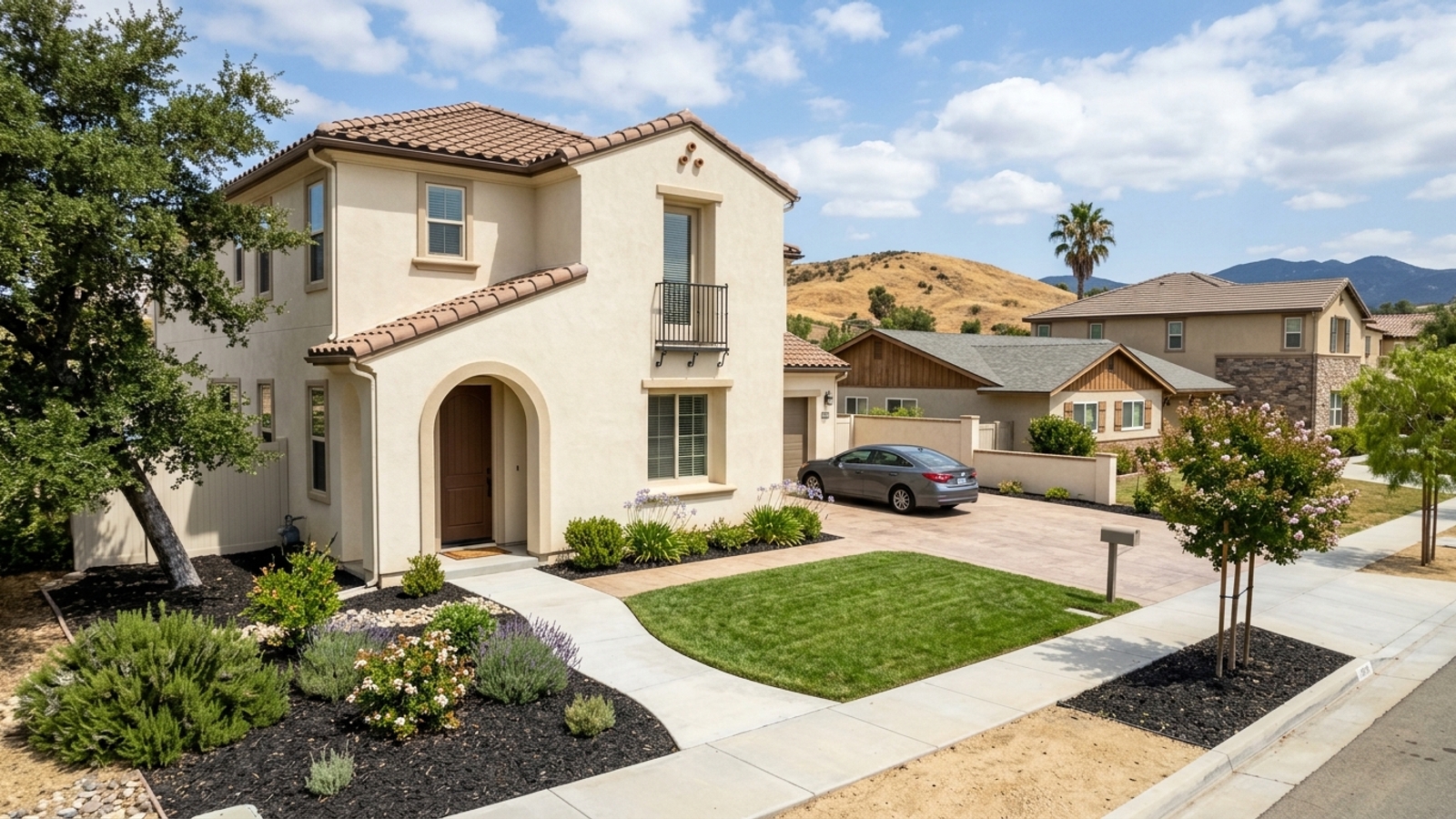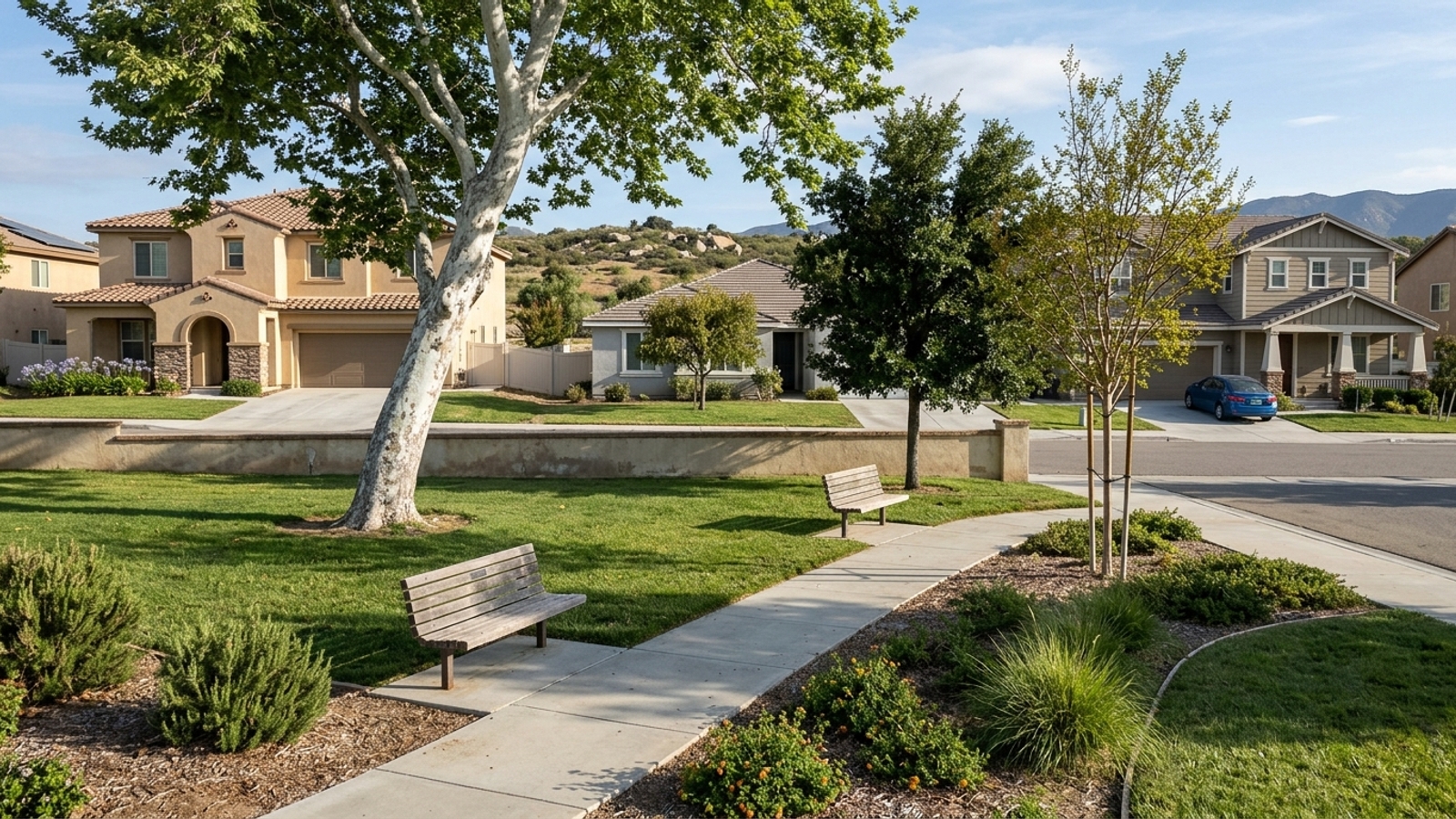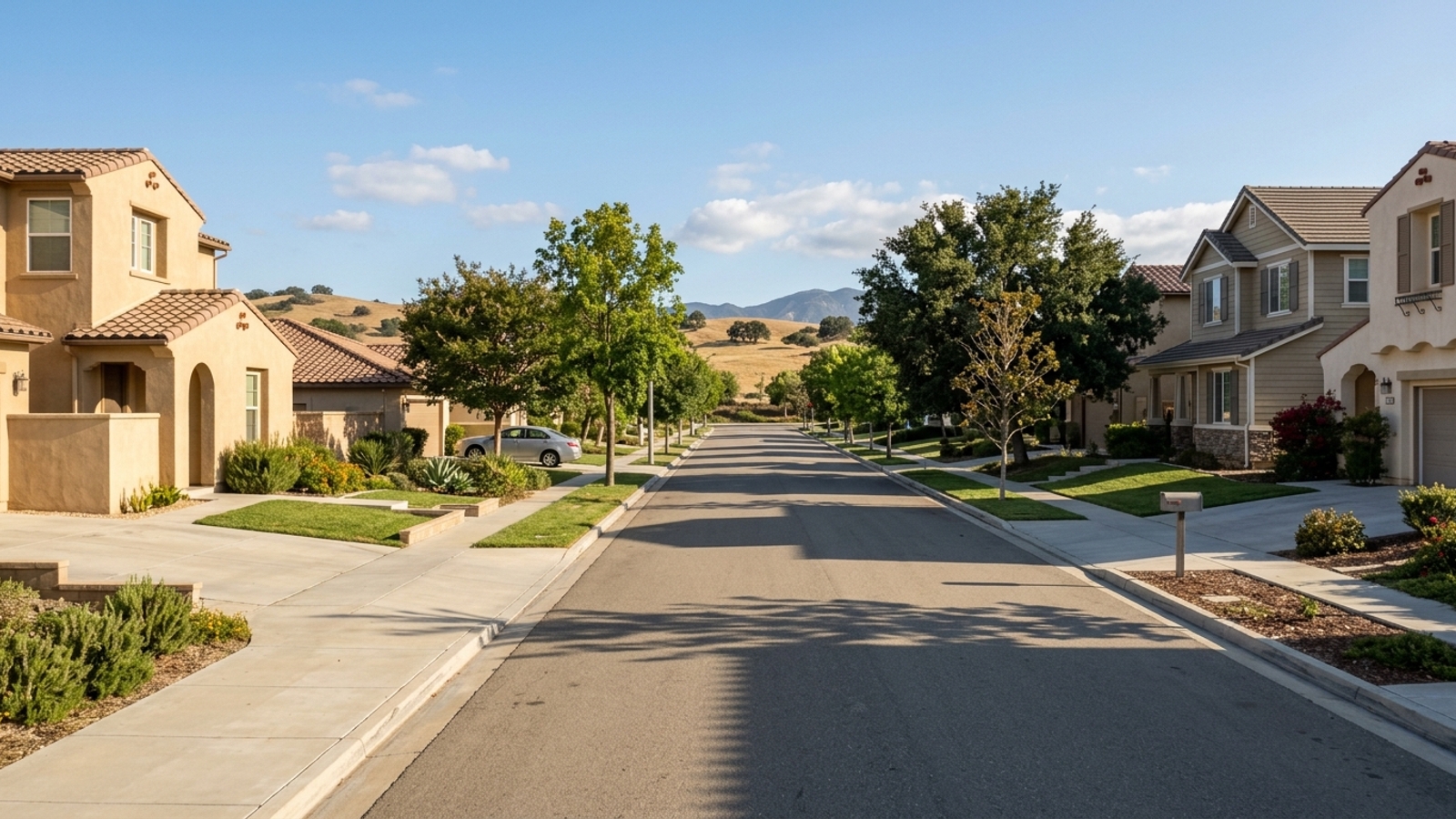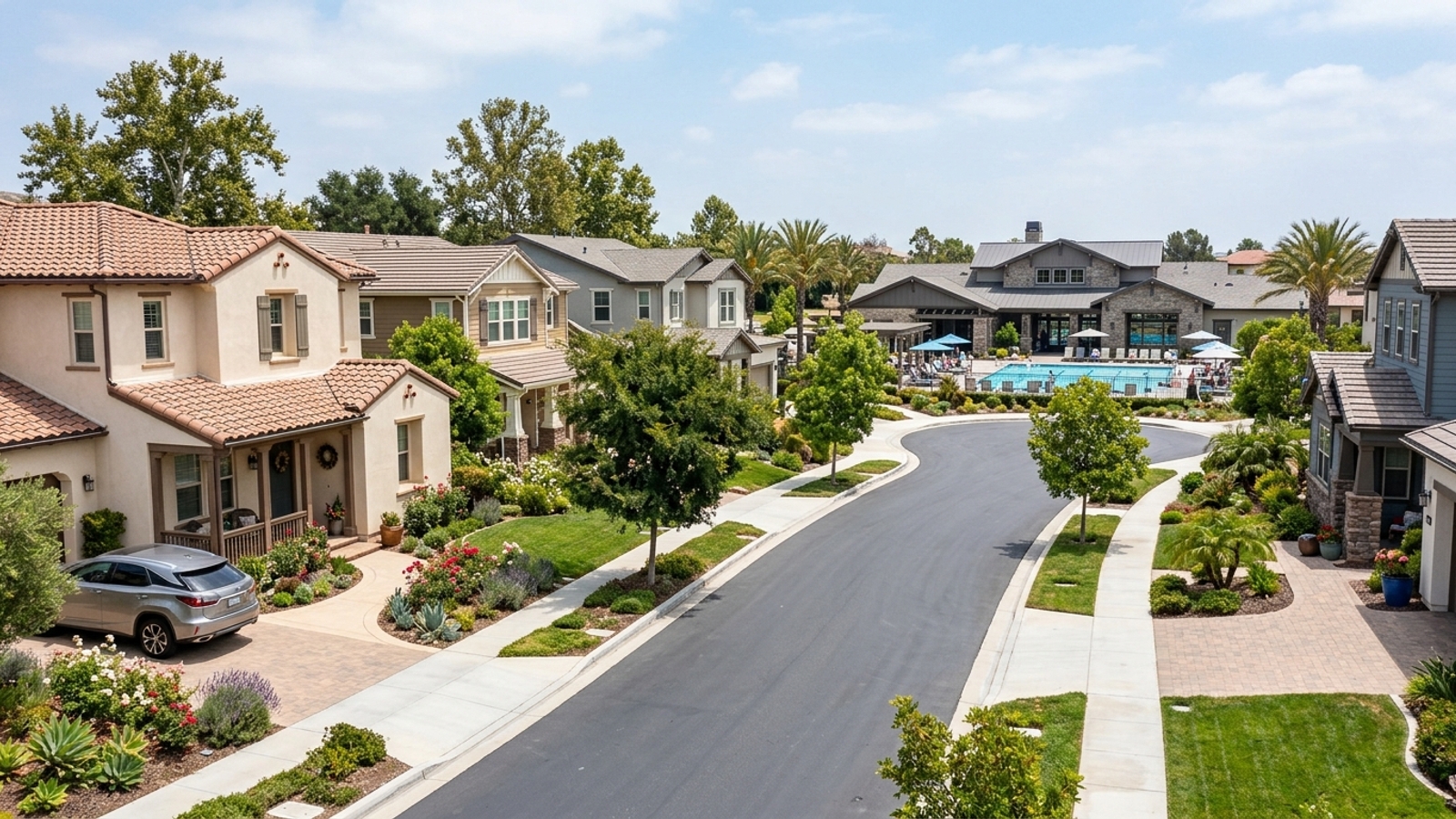
The median home price in Temecula, CA sits around $747,000 as of late summer 2026, and homes are spending about 35 days on the market. That’s steady demand - not a frenzy, not a standstill. Buyers weighing the pros and cons of living in Temecula, CA often appreciate this predictable pace.
If you’re shopping specifically for age-restricted housing, the picture gets more layered. You’ll find everything from manufactured-home parks to luxury assisted living, and the right fit depends on understanding the different property types, local fee structures, and what California law actually requires.
Temecula Senior Living at a Glance
There are about eight active retirement communities in Temecula, CA, with for-sale home prices ranging from roughly $499,698 to over $1.7 million. That’s a wide spread, and it reflects how different these communities actually are from one another.
Rental options are equally varied - independent living centers, assisted living facilities, and dedicated senior apartments all operate here. Depending on the level of care and amenities you need, you’re either buying outright or signing a monthly lease, and both paths have real trade-offs worth thinking through before you tour a single property.
Types of Communities Available
The local market breaks into two broad categories: active-adult neighborhoods and care facilities. Active-adult neighborhoods look and feel like standard residential subdivisions - they just happen to restrict residency based on age. Care facilities are a different animal entirely, grouping residents into single buildings or campuses with shared dining and medical support built in.
The 80/20 Age Rule in California
Most 55+ communities operate under the federal Housing for Older Persons Act, which California enforces. The law requires that at least 80% of occupied units include at least one resident who is 55 or older. The remaining 20% can technically house younger residents - but individual homeowner associations often draw a harder line than federal law does. Read the specific HOA bylaws for any property you’re serious about. Don’t assume the federal minimum is what your community actually enforces.
Types of Senior Living Facilities in Temecula
Senior housing in Temecula, CA covers a genuine spectrum of care levels and independence. Facilities like Atria Senior Living, Highgate Senior Living, and FountainGlen Temecula each serve different needs - from fully independent apartment living to full-time medical support.
Figure out your current and likely future care requirements before you start touring. Transitioning between facility types later can mean breaking a lease or selling a home, and neither is cheap or simple.
Active Adult and 55+ Neighborhoods
These communities are built around lifestyle, not healthcare. You own or rent an individual home, keep your independence, and share access to clubhouses, pools, or golf courses. Medical support isn’t part of the deal.
Independent and Assisted Living
Independent living facilities offer private apartments with shared communal spaces - often meals and housekeeping included. Assisted living uses the same basic housing setup but adds help with daily activities: bathing, medication management, mobility. Same building concept, meaningfully different level of support.
Continuing Care and Senior Apartments
A Continuing Care Retirement Community (CCRC) works on a tiered model - you move from independent living to assisted living or nursing care within the same campus as your needs change, without having to relocate entirely. Standard senior apartments are simpler: age-restricted rental complexes with no medical care attached.
Featured 55+ Communities in the Area
In the North Temecula and Wine Country areas, a couple of communities stand out. Heritage Park is a manufactured-home 55+ community, and Rancho Monserate Country Club brings country club amenities into the mix.
Cross the city line and the options expand. The Oasis in Menifee is a large-scale 55+ development just a short drive from Temecula. For new construction, Toll Brothers has developments near the Great Park area worth a look.
Luxury and Resort-Style Options
High-end retirement communities here tend to come with gated entries, private golf courses, and substantial clubhouse facilities. Homes in these neighborhoods push toward the top of the local pricing range - approaching or exceeding $1.7 million.
Affordable and Low-Income Alternatives
More affordable options exist, particularly in manufactured-home parks like Heritage Park. On the rental side, Riverside County uses HUD guidelines to determine low-income status. For reference, a four-person household in the county has an Area Median Income of about $94,500, and the “Very Low-Income” threshold sits at roughly $46,600 - which can qualify residents for subsidized senior housing programs.
Renting Versus Buying
Buying in a 55+ neighborhood builds equity, but you’re also on the hook for property taxes and HOA dues. Renting in a senior apartment complex offers more flexibility and takes home maintenance off your plate, though rental rates are subject to annual increases. Neither option is obviously better - it depends on your timeline and your finances.
Expected Costs for 55+ Living in Temecula
Costs vary drastically based on care level and property type. A buyer purchasing a home in a 55+ community pays a purchase price plus monthly HOA dues. A CCRC resident faces an entirely different fee structure. These are not comparable situations.
Renters looking at senior apartments in Temecula, CA can expect to pay between $2,115 and $3,124 per month, with the average sitting right around $2,115.
Apartment Rents and Entrance Fees
CCRCs are a category of their own for upfront costs. Statewide, most CCRCs in California charge an entrance fee starting around $100,000 and reaching up to $1,000,000. On top of that, residents pay monthly independent-living fees that generally run between $3,000 and $6,000 in California. That’s a substantial financial commitment before you’ve paid for a single meal.
Medicare and Medi-Cal Coverage
Medicare does not pay for long-term room and board in assisted living facilities. It covers specific approved medical services, short-term rehabilitation stays, and prescribed medical equipment - that’s it. Medi-Cal, California’s Medicaid program, can sometimes help cover the cost of care services within an assisted living facility for eligible low-income seniors, but it typically doesn’t cover base rent or room-and-board charges. Know the difference before you plan your budget around either program.
Retiring in Temecula
Temecula puts you close to Southern California’s attractions without the density of Los Angeles or San Diego. The local infrastructure - dedicated medical facilities, accessible shopping - has grown alongside the senior population, and that’s not an accident.
The median home price of $747,000 places Temecula above national averages. It often lands below coastal California markets, though, which gives buyers who’ve been priced out of the coast a realistic alternative.
Local Healthcare Access
Retirees have access to four major hospitals in the immediate area. Temecula Valley Hospital operates directly within the city. Three more are in neighboring Murrieta: Southwest Healthcare System, Encompass Health Rehabilitation Hospital of Murrieta, and Loma Linda University Medical Center-Murrieta.
Cost of Living Considerations
Housing is the obvious number, but California’s broader cost of living matters too - state income taxes, transportation, and everyday expenses. Temecula avoids the steepest coastal premiums, but groceries and utilities track with general Southern California pricing. Budget accordingly.
Pros and Cons of 55+ Neighborhoods
Age-restricted communities work well for some buyers and genuinely frustrate others. Touring in person and reading the association rules will tell you more than any brochure. HOA fees deserve particular attention - they can increase over time, and a fixed retirement income has limits.
Benefits of Age-Restricted Housing
Quiet streets, a built-in peer community, and amenities designed specifically for older adults are the main draws. Maintenance-free living is a real selling point for many buyers, since associations in these communities often handle exterior repairs and landscaping.
Common Drawbacks
The restrictive covenants are where buyers hit friction. HOAs can regulate exterior paint colors and limit how many days a younger relative can visit. When it’s time to sell, your buyer pool is limited to older adults - which can slow resale timelines compared to the general market.
How to Choose and Tour a Property
Visit multiple facilities in person. With roughly eight active retirement communities in Temecula, you can realistically tour several in a single weekend.
Treat the tour as an interview. You’re evaluating management, not just amenities. The condition of shared spaces and the general atmosphere among current residents will tell you things the sales pitch won’t.
Questions to Ask on a Tour
Ask for a detailed breakdown of every monthly fee and exactly what it covers. For care facilities, ask specifically about staff-to-resident ratios and the protocol for medical emergencies. Vague answers to direct questions are worth noting.
Reviewing and Vetting Options
Go beyond the marketing materials. State licensing records for assisted living facilities track health inspections, complaints, and violations - that’s the information that actually tells you how a facility runs day to day.
Frequently Asked Questions
What are the average HOA fees for 55+ communities in Temecula and what amenities do they actually cover?
HOA fees vary depending on the community and the level of amenities provided. Request the specific HOA documents for any property you’re seriously considering - that’s the only way to see exact costs and what’s actually included.
Can my adult children or grandchildren live with me in a Temecula age-restricted neighborhood?
It depends on the specific community’s rules and how it applies the 80/20 age rule. California and federal law require 80% of units to have at least one resident who is 55 or older, but individual HOAs often set firm limits on how long underage guests can stay. Permanent residency for younger relatives is usually prohibited.
Which Temecula retirement communities are located closest to Wine Country and local golf courses?
Heritage Park and Rancho Monserate Country Club are both in the North Temecula and Wine Country areas. The Oasis in nearby Menifee is also close to those local attractions.
Am I allowed to rent out my house in a Temecula 55+ community if I only plan to live there part of the year?
That’s entirely up to the homeowner association’s bylaws. Many 55+ communities restrict short-term rentals to maintain neighborhood stability. Others may allow long-term leases, provided the tenants meet the age requirements. You’ll need to read the specific documents for whatever community you’re considering.
How do home prices in Temecula’s active adult communities compare to non-restricted neighborhoods in the city?
Homes in Temecula’s active retirement communities range from roughly $499,698 to over $1.7 million. That range spans both below and well above the city’s overall median sale price of $747,000 - where you land depends on whether you’re looking at a manufactured home or a luxury property.
Are there any brand new 55+ communities being built in Temecula right now, or are my options strictly resale homes?
Toll Brothers has developments near the Great Park area for buyers interested in new construction. Outside of that, Temecula’s eight active retirement communities offer a steady supply of resale homes.