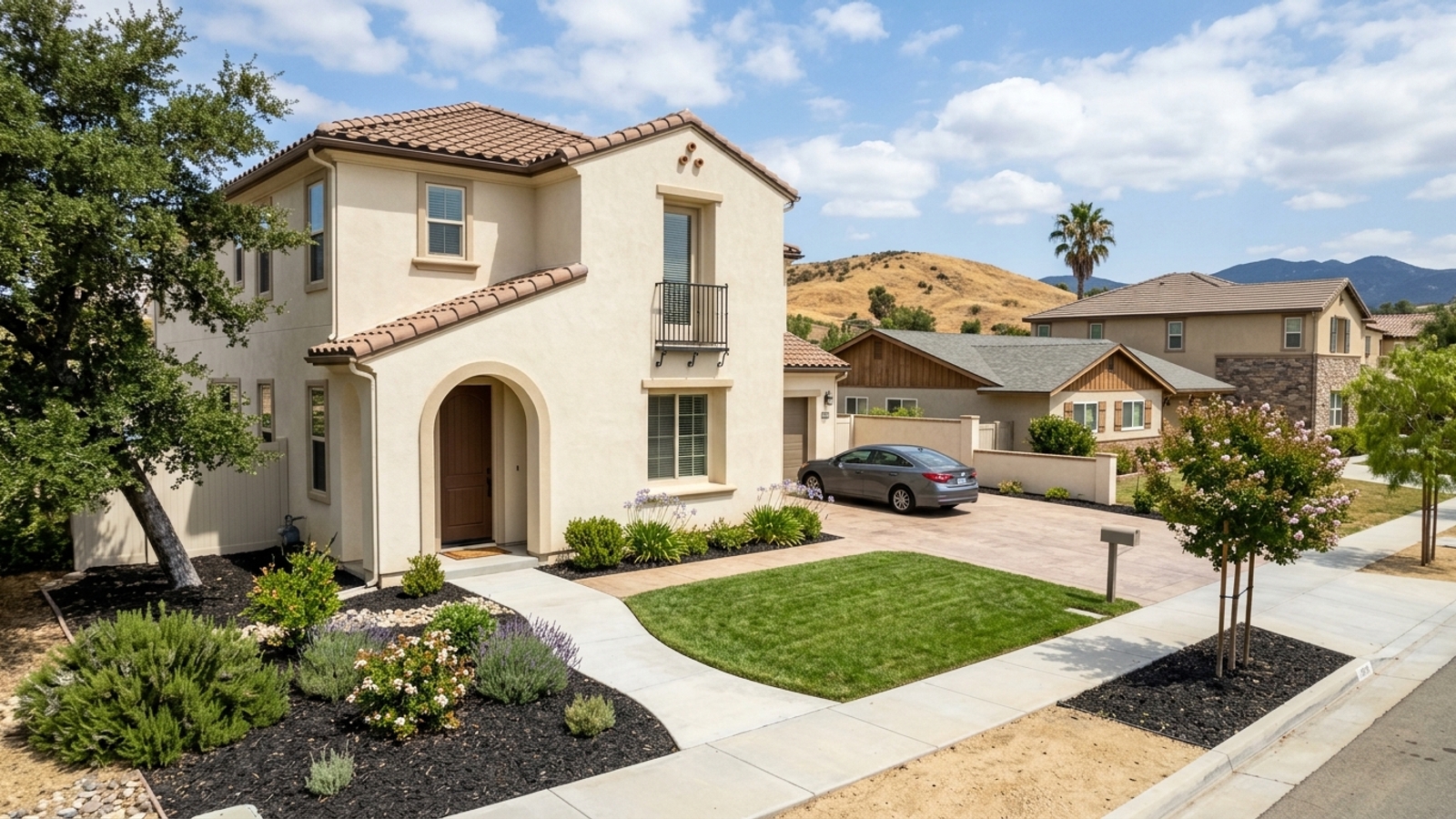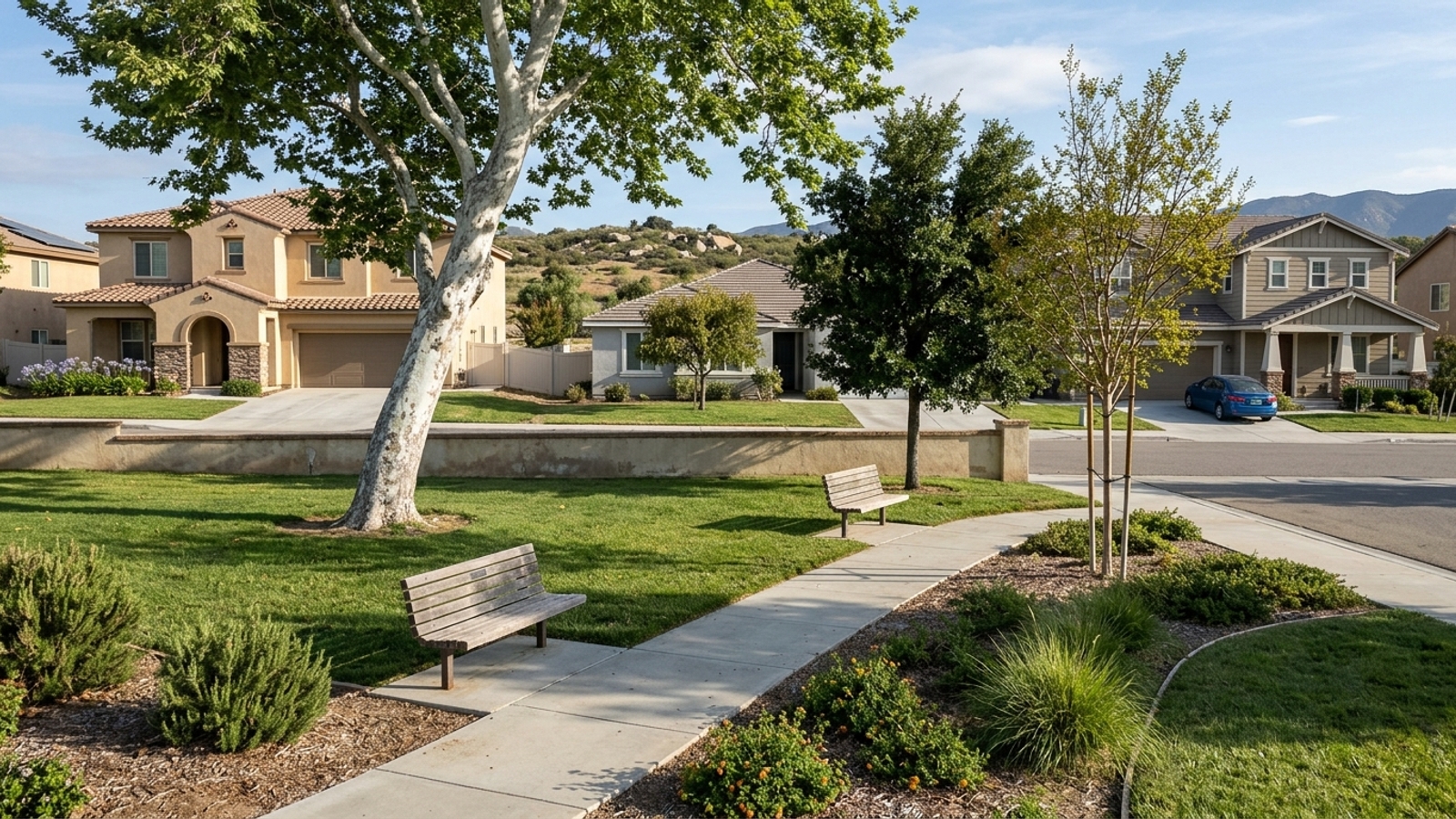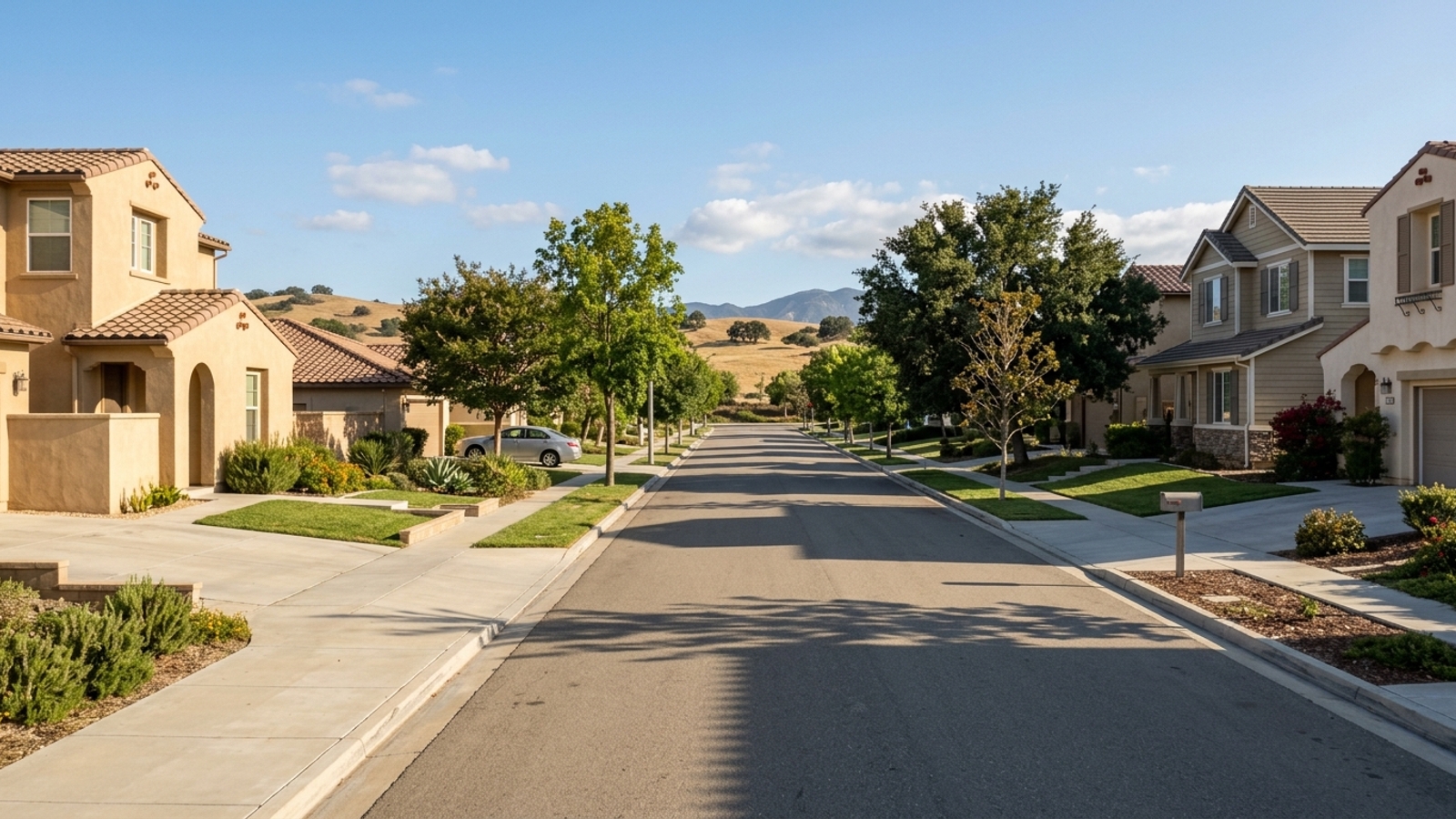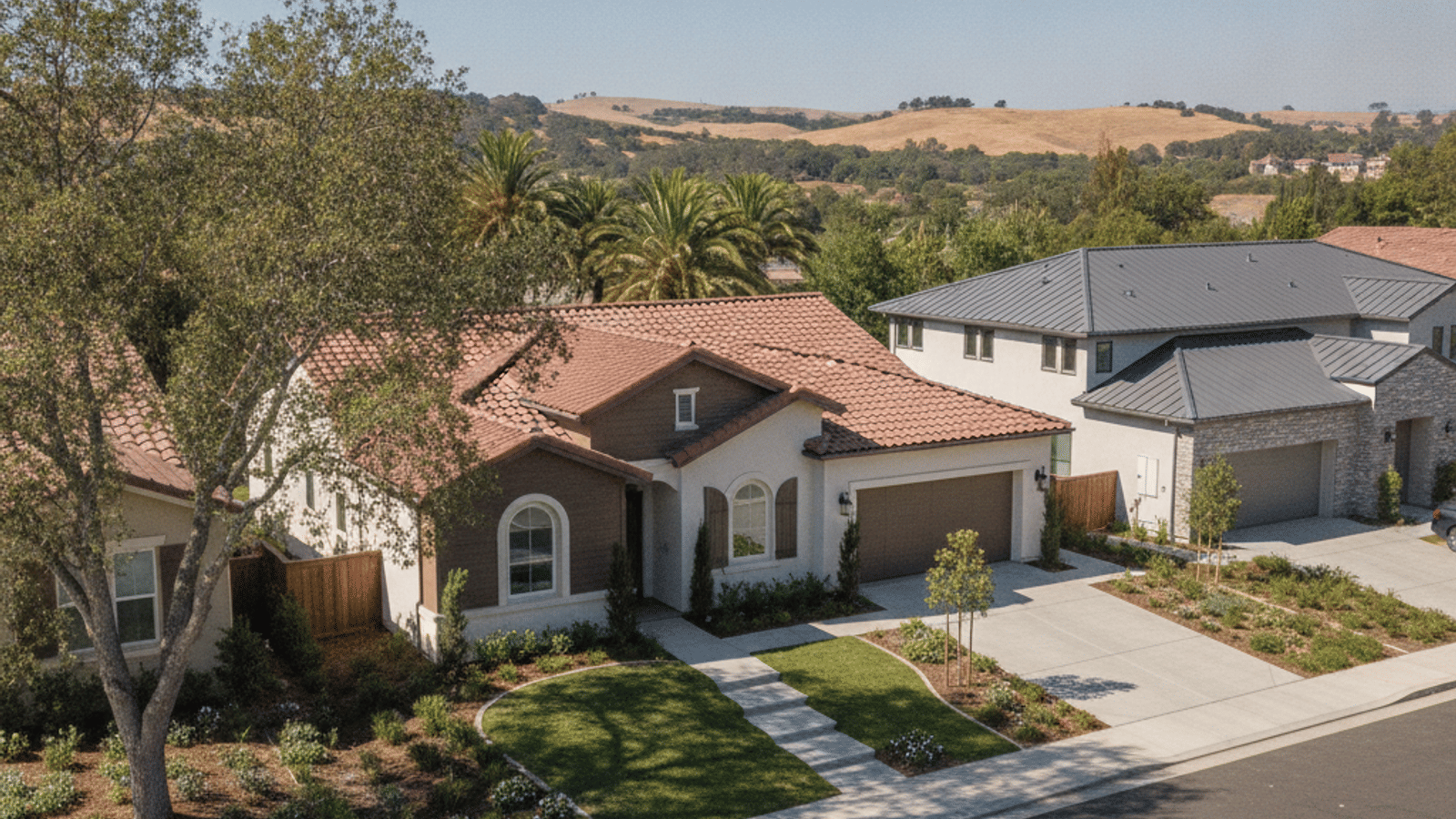
When buying a home in Temecula, CA, the median price sits around $747,000 - and that number tells you almost everything about why people move here. You’re not getting the coast. You’re getting space, newer construction, and a budget that actually works, traded against a daily stretch of I-15 that’ll test your patience in ways you should understand before you sign anything.
Recent data from late spring 2026 shows homes selling in about 35 days. That’s a competitive market. Whether Riverside County makes sense for you comes down to where you work, what you can spend, and how honest you’re willing to be with yourself about a commute.
The Quick Verdict on Relocating to Temecula
Temecula had an estimated population of 114,865 in 2025, which makes it a legitimate city - not a suburb trying to punch above its weight. Buyers who end up here typically care more about lot size and newer floor plans than proximity to the water.
The decision usually hinges on three things: where your job is, what kind of home you want, and whether the math on property taxes and commuting costs still works when you add it all up.
Major Benefits of Moving Here
The primary draw is straightforward - your dollar goes further here than it does in San Diego or Orange County. Larger single-family homes, more yard, newer builds. The city also covers 37.19 square miles and has the suburban infrastructure to match: retail centers, parks, and the basics of daily life are well covered.
Drawbacks to Keep in Mind
Interstate 15 during rush hour is genuinely unpleasant, and that’s true in both directions. The inland location also means summer temperatures run significantly hotter than the coast. Before you fall in love with a house, run an honest estimate of what you’ll spend running air conditioning for several months out of the year.
Where Temecula Is Located and How Big It Is
Temecula is a city in southwestern Riverside County, California, covering a total area of 37.19 square miles - 37.18 of which is land. It sits in a geographic position that makes it a practical home base for people commuting into other employment centers throughout Southern California.
That’s the core trade: you’re trading location for space.
Regional Access and the Inland Empire
Temecula is part of the Inland Empire, officially the Riverside-San Bernardino-Ontario CA Metropolitan Statistical Area, which spans both Riverside and San Bernardino counties. The metro population was estimated at 4,599,839 in 2020. That’s a large regional economy with its own employment, entertainment, and commercial base - Temecula sits within it, not apart from it.
Population and Density Basics
The 2020 census put Temecula at 110,003 residents. By 2025, that number had grown to an estimated 114,865. Population density runs about 3,005.6 people per square mile - solidly suburban, meaning residential subdivisions and commercial plazas, not walkable urban blocks.
Temecula Crime Statistics and Police Services
According to FBI UCR data released in September 2025 reflecting the 2024 calendar year, Temecula recorded a total crime rate of 1,830.8 per 100,000 people - about 13.6% below the national rate. Breaking that down: 168 violent crimes, or 152 per 100,000 residents, and 1,862 property crimes, or 1,679 per 100,000 residents.
City-Data.com published a separate 2025 crime index for Temecula of 103, which is 2.2 times lower than the U.S. average.
How Law Enforcement Is Structured
Temecula doesn’t operate its own independent police department. The city contracts with the Riverside County Sheriff’s Department - also known as the Riverside Sheriff’s Office - for police services. Officers in the field wear Temecula Police Department patches, but they’re sworn Riverside County Deputy Sheriffs working out of the Southwest Station.
Researching Local Incident Maps
If you’re trying to evaluate a specific street or subdivision, go to the source. Crime map data is available directly through the Temecula Police Department’s Crime Data page. Third-party platforms like CrimeMapping.com and SpotCrime also display recent incident maps and let you search by address over a specific timeframe. Use them.
Cost of Living and Housing Prices
Redfin MLS data from late spring 2026 shows a median sale price of approximately $747,000 in Temecula, based on 113 homes sold during that period. The market leans toward sellers - homes are spending roughly 35 days on market before going under contract, and nearly 40% of properties are selling above their initial list price.
That last number matters. It means you should go in with a clear ceiling, not a number you’re willing to stretch.
Inventory and Market Competition
There are currently about 330 homes available for sale in the city, which translates to just 2.9 months of supply. That’s tight. The average sale-to-list ratio sits at 99.6%, so if you’re planning to lowball, adjust your expectations. Offers here need to be close to asking price to be competitive.
Comparing Temecula to the Broader Inland Empire
The Inland Empire covers both Riverside and San Bernardino counties and had an estimated metro population of 4.6 million in 2020. Buyers considering Temecula are often weighing it against other cities within that same regional footprint.
The comparison is almost always about the same variables: home price, lot size, and how many minutes you’re adding to your commute.
Housing Types and Commute Tradeoffs
Temecula homes frequently offer larger floor plans and attached garages compared to properties closer to the coast. What you give up for that space is drive time, particularly if your work is south on I-15.
Map your actual route from any house you’re seriously considering. A few miles of difference in freeway access can add up to hours over the course of a week - that’s not a rounding error, it’s a lifestyle decision.
Specialized Housing Options in the City
Beyond standard single-family homes, Temecula’s market includes properties tailored to specific needs - medical, age-restricted, or recovery-focused. These are distributed across the city’s 37.19 square miles, and pricing depends on the level of care and amenities involved.
Senior and Assisted Living Facilities
Temecula has several senior living and assisted living communities, ranging from independent 55+ developments to facilities that provide daily medical care. If you’re looking at age-restricted communities, read the HOA rules carefully - they vary. Assisted living facilities typically charge monthly fees covering room, board, and supportive services.
Sober Living Homes
Sober living environments also operate within Temecula. These are structured, substance-free homes for individuals in recovery, where residents share living spaces and follow house rules designed to support the transition back into everyday life. Each facility operates independently with its own admission requirements.
Frequently Asked Questions
Is it significantly cheaper to live in Temecula compared to San Diego or Orange County?
Yes. The median sale price sits around $747,000, which generally buys more square footage here than a similar budget would get you on the coast. That gap is the reason most buyers end up looking inland in the first place.
How bad is the I-15 traffic for commuters living in Temecula, CA?
It depends on where you’re going and when you’re leaving. Commuting from southwestern Riverside County into other employment hubs typically means dense, prolonged traffic on Interstate 15 during peak rush hours. Your specific destination and schedule matter more than any general answer.
Are Mello-Roos taxes and high HOA fees common when buying a house in Temecula?
It depends on the subdivision. Many newer developments in southwestern Riverside County carry homeowner association dues or special assessment taxes to fund local infrastructure. Check the specific property, not the general area.
What are the main differences between buying a home in Temecula versus neighboring Murrieta?
Both cities sit in southwestern Riverside County and share similar inland climates. The practical comparison comes down to individual home prices and the exact commute distance to your workplace from each location - map both before you decide.
Does living in Temecula mean dealing with extreme summer heat and frequent wildfire risks?
The inland location in Riverside County does experience hotter summer temperatures than the coastal cities - that’s not a minor difference. For wildfire risk, review local maps for the specific environmental and fire risk associated with the surrounding terrain wherever you’re considering buying.
Are the public schools in Temecula highly rated for families relocating to the area?
Check directly with the local school districts for current ratings and boundary information. Programs and school assignments vary depending on where within the city’s 37.19 square miles you actually live.