Riverside County offers a lot of ground to cover - literally and figuratively. Buyers weighing the pros and cons of living in Temecula, CA against those of Moreno Valley usually start with the listing prices, then quickly realize the real question is how commute routes and carrying costs change the math. Both cities sit in Southern California’s Inland Empire, but that’s roughly where the similarities end.
As of mid-2026, the two markets are separated by a noticeable gap in median home values and inventory levels. Getting the decision right means looking well past the asking price - property taxes, HOA dues, and which highway you’ll be sitting on every morning all factor into what you’re actually paying to live there.
Overview of the Riverside County Housing Markets
Riverside County covers over 7,200 square miles, and housing costs shift considerably as you move along its major transit corridors. Temecula sits near the southern edge of the county along Interstate 15. Moreno Valley is further north, near the intersection of State Route 60 and Interstate 215. That geographic gap puts them in different commuter zones entirely, which shapes who’s buying in each market.
The broader 2026 climate has buyers prioritizing affordability and move-in readiness. In Temecula, homes are selling in roughly 35 days, with only 2.9 months of supply keeping things competitive. Moreno Valley operates at a different price tier, and that difference in cost changes the speed and negotiation dynamics of a typical transaction there.
Comparing Home Prices and Property Types
The price gap between these two cities is real and significant. In Temecula, the median sale price reached approximately $747,000 in late spring 2026 - a slight 2.3% year-over-year increase. Nearly 40% of homes are selling above asking, with an average sale-to-list ratio of 99.6%. You’ll need to come in prepared.
Moreno Valley is a different story for buyers focused on upfront costs. Median sale prices there hovered around $556,000 in early to mid-2026, with Zillow’s Home Value Index placing the typical value closer to $516,000. That’s a gap of roughly $190,000 to $230,000 depending on which figure you use - enough to explain why buyers priced out of the southern I-15 corridor start looking north.
Average Home Prices and Market Pace
Temecula currently has around 330 active listings, and well-priced properties don’t sit long. Sellers are in a strong position, particularly for homes that don’t need major work. If you’re buying here, expect to move quickly and arrive with your financing buttoned up.
Moreno Valley’s pricing has softened recently - some trackers show a 2.8% year-over-year dip in typical home values. That gives buyers more room to negotiate, and your dollar generally stretches further in terms of square footage than it would in Temecula.
Property Types and Lot Sizes
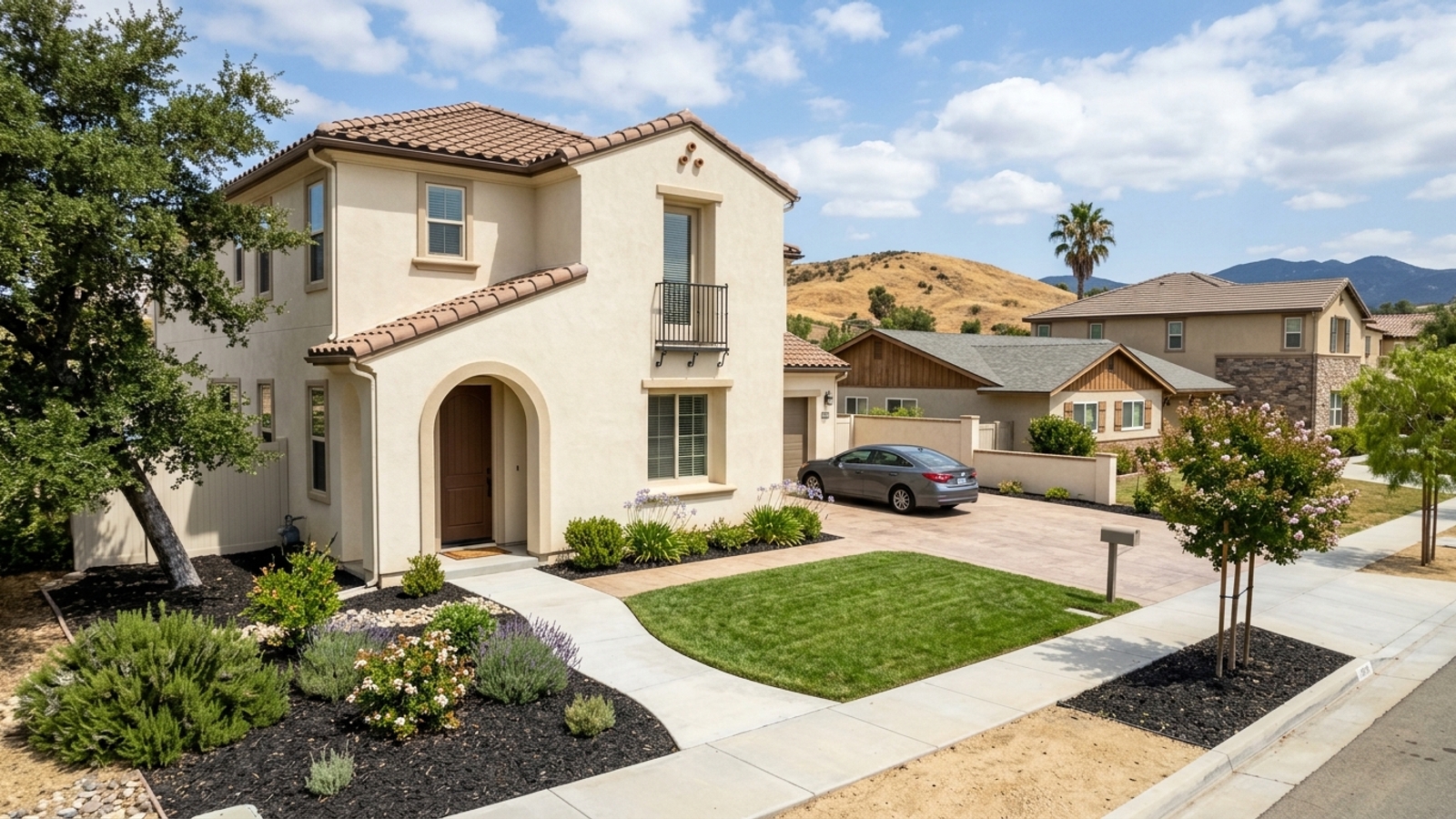
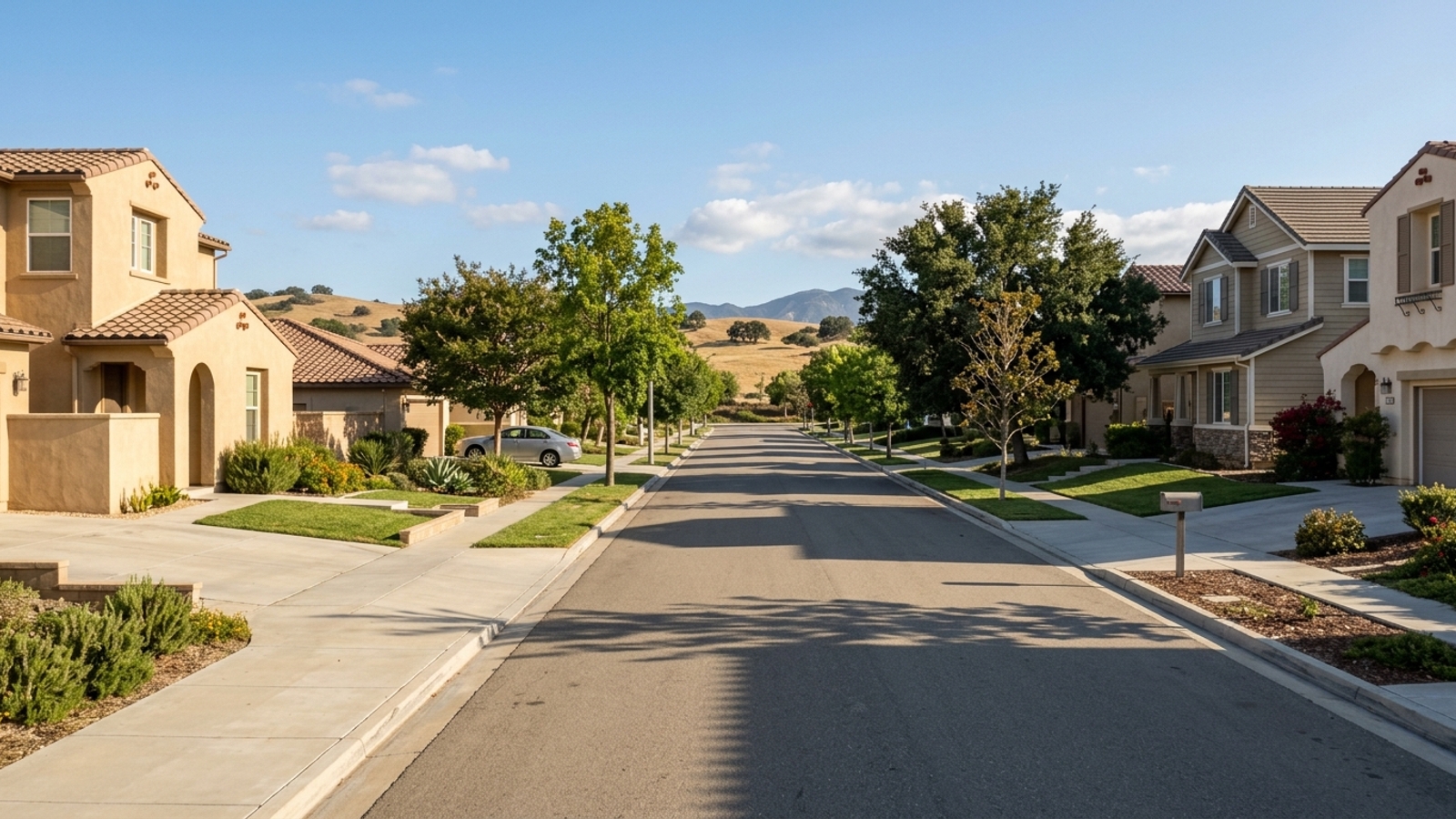
Both cities offer a mix of established neighborhoods and newer construction, but the layouts and lot configurations feel distinct on the ground. Temecula leans heavily toward planned communities built over the past three decades - larger single-family homes, attached garages, uniform streetscapes.
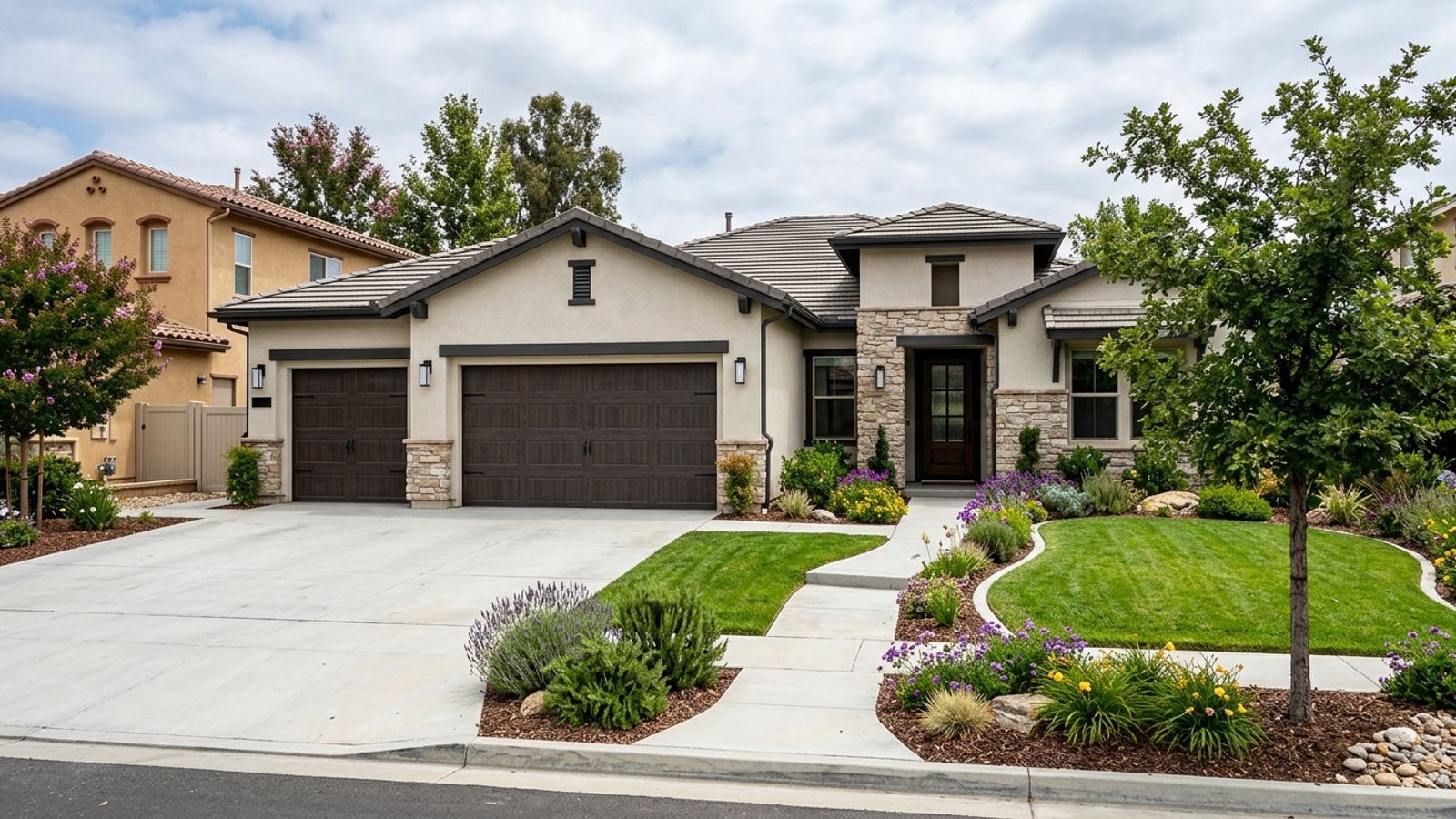
Moreno Valley’s housing stock includes tracts from earlier Inland Empire expansion phases alongside newer subdivisions near the city’s edges. The neighborhood layouts vary more than you might expect. Touring both areas before deciding is worth your time.
Cost of Living and Local Taxes
California’s base property tax rate under Proposition 13 is 1%, and Riverside County applies a base rate of roughly 1.04%. Your actual bill, though, depends on local assessments that can vary considerably between individual neighborhoods - even within the same city. Focus on the total effective rate, not just the state base.
Ongoing carrying costs go beyond taxes. Utilities, insurance, and community fees all add up, and the prevalence of planned developments in this region means many homeowners are paying monthly HOA dues on top of everything else. Those recurring expenses belong in your monthly budget just as much as the mortgage payment does.
Property Taxes and Assessments
In Temecula, effective property tax rates typically run around 1.15%, though estimates from various data sources range from 0.70% up to 1.73%. That wide spread is mostly down to Mello-Roos and Community Facilities District (CFD) assessments - common in newer Temecula developments to fund local schools and infrastructure. It’s not unusual for two houses on the same street to carry meaningfully different tax bills.
Moreno Valley homeowners face similar structures. Ownwell reports a median effective property tax rate of about 1.19% for the city, compared to a California state median of 1.21%. Effective rates there can also range from 0.70% to 1.72% depending on the subdivision. Check the tax history on any specific property before you get too far into the process.
HOA Fees and Ongoing Expenses
HOAs are a fact of life in most Temecula neighborhoods. Monthly fees range from about $34 in older communities like Redhawk to $330 or more in newer gated areas such as Sommers Bend, with most single-family neighborhoods falling somewhere between $75 and $200 per month.
Moreno Valley has neighborhoods with and without HOA dues. Either way, those fees affect your debt-to-income ratio during mortgage underwriting - your lender will count them - so confirm the exact monthly assessment and what it actually covers before you make an offer.
Commute Logistics and Area Amenities
Where you work is probably going to drive this decision more than any other single factor. Temecula’s position along Interstate 15 makes it a practical base for commuters heading toward northern San Diego employment centers. Moreno Valley’s access to State Route 60 and Interstate 215 points more toward Riverside, San Bernardino, and the eastern edges of Los Angeles County. These aren’t interchangeable routes.
Highway Access and Transit Routes
I-15 through Temecula gets congested during standard commuting hours. If you’re planning to drive south toward San Diego or north toward Corona regularly, do yourself a favor and test that drive at 7:30 a.m. before you fall in love with a house.
The SR-60 and I-215 corridors serving Moreno Valley carry heavy commercial and commuter traffic moving east and west. Both areas are largely car-dependent - public transit exists, but it won’t replace a vehicle. Highway access is a primary factor in local real estate values in both markets, and for good reason.
Parks, Recreation, and Zoning
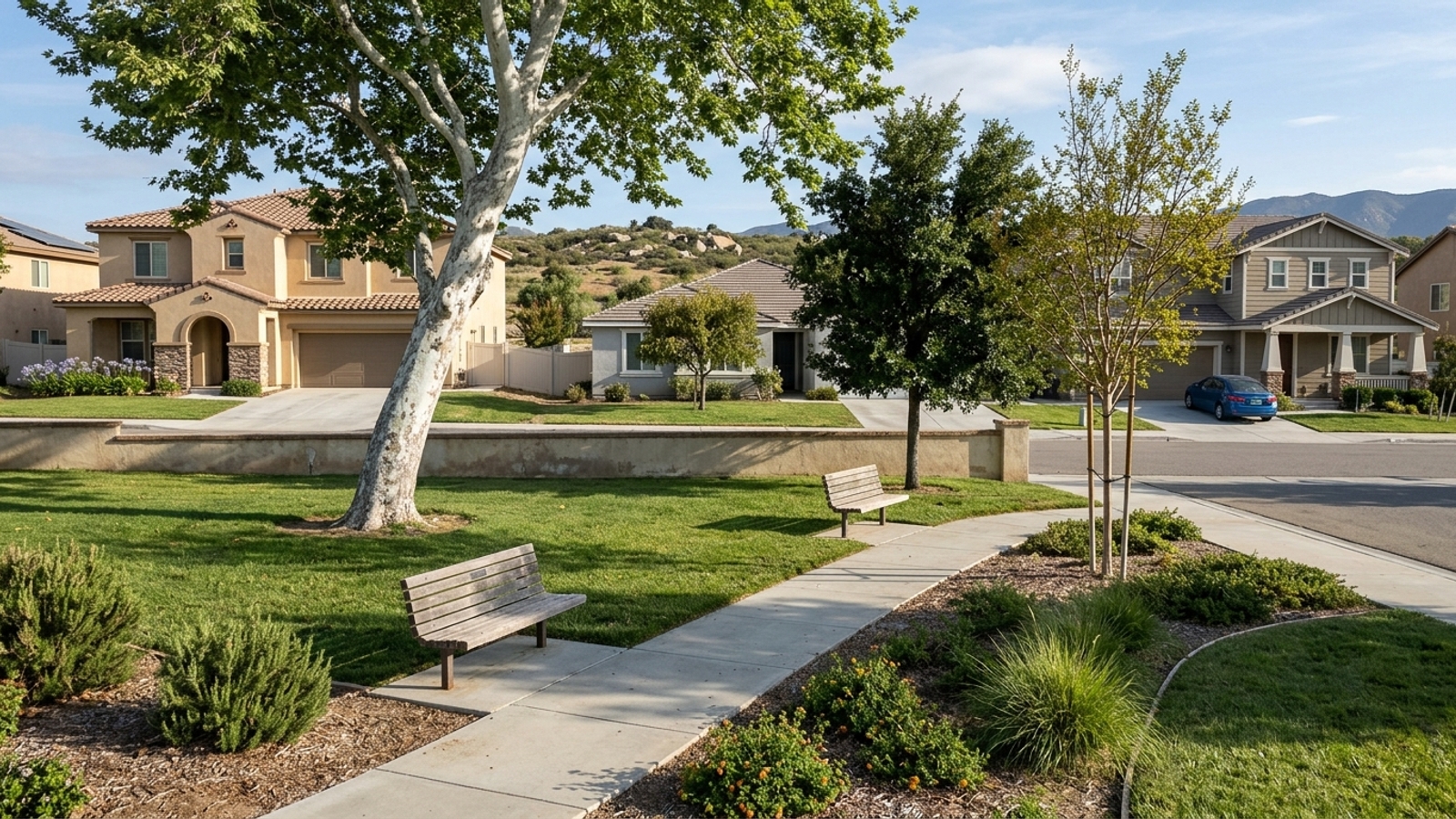
Temecula’s master-planned layout integrates retail centers and recreational areas directly into residential neighborhoods. Commercial zones, outdoor spaces, and public facilities are built into the city’s framework in a way that’s fairly deliberate.
Moreno Valley has its own parks, commercial districts, and access to nearby regional outdoor spaces along the main highway corridors. The daily-use infrastructure is there - it just has a different feel. Spend a weekend afternoon in both cities and see which one fits how you actually live.
Frequently Asked Questions
How much more expensive is buying a house in Temecula compared to Moreno Valley?
Temecula is notably more expensive. As of mid-2026, the median sale price in Temecula is approximately $747,000, while Moreno Valley’s median price sits closer to $556,000. That’s a gap of roughly $190,000 between the two markets.
Are property taxes and Mello-Roos fees generally higher in Temecula or Moreno Valley?
Both cities have similar baseline tax structures, with median effective rates generally falling between 1.15% and 1.19%. Specific bills depend on local Mello-Roos and CFD assessments, which can push effective rates up to 1.73% in certain newer neighborhoods in either city. Review the tax profile of the individual property before you commit.
What is the biggest difference in commute logistics between Temecula and Moreno Valley?
Highway access and regional connectivity. Temecula sits along Interstate 15, with a direct route south toward San Diego County. Moreno Valley is positioned near State Route 60 and Interstate 215, offering more direct access to Riverside, San Bernardino, and areas to the west.
How do recent real estate appreciation trends compare between Temecula and Moreno Valley?
The short-term trends are moving in opposite directions. In mid-2026, Temecula saw a 2.3% year-over-year increase in its median sale price. Moreno Valley, according to Zillow’s Home Value Index, experienced a slight 2.8% year-over-year decrease in typical home values during the same period.