Riverside County covers a massive stretch of Southern California, and most buyers eventually zero in on its most recognizable cities. Temecula and Riverside both have active housing markets - but they serve genuinely different needs, depending on whether you’re commuting toward San Diego, Los Angeles, or somewhere else in the Inland Empire. The pros and cons of living in Temecula, CA become much clearer when you compare the city directly to Riverside.
The choice between them comes down to three things: housing costs, property tax exposure, and how much time you’re willing to spend in the car. Each city also has a different mix of property types and commercial infrastructure, which matters more than people expect once you’re actually living there.
Housing Costs and Property Types in Temecula and Riverside
The median home sale price in Temecula sits around $747,000 as of mid-2026. Properties are spending roughly 35 days on the market, and there are about 330 active listings in the city - just under a three-month supply of inventory.
Riverside comes in lower. The median home value there runs roughly $645,000 to $665,000. Both markets are active, but Riverside’s larger footprint means pricing can swing considerably depending on which ZIP code you’re targeting.
Recent Home Prices and Market Trends
In Temecula, sellers are doing well right now - nearly 40% of homes are selling above list price, and the average sale-to-list ratio is just under 100%. If you’re buying there, expect to pay close to asking.
Riverside follows a similar pattern but at a lower baseline. Buyers working with a $650,000 budget will generally find more options in Riverside than in Temecula, where the median is closer to $750,000.
Single-Family Homes, Condos, and Townhomes
Single-family homes dominate the active inventory in both cities, though they look pretty different from one another. Riverside has older, established neighborhoods with mid-century and historic designs - the kind of character that comes from decades of organic growth.
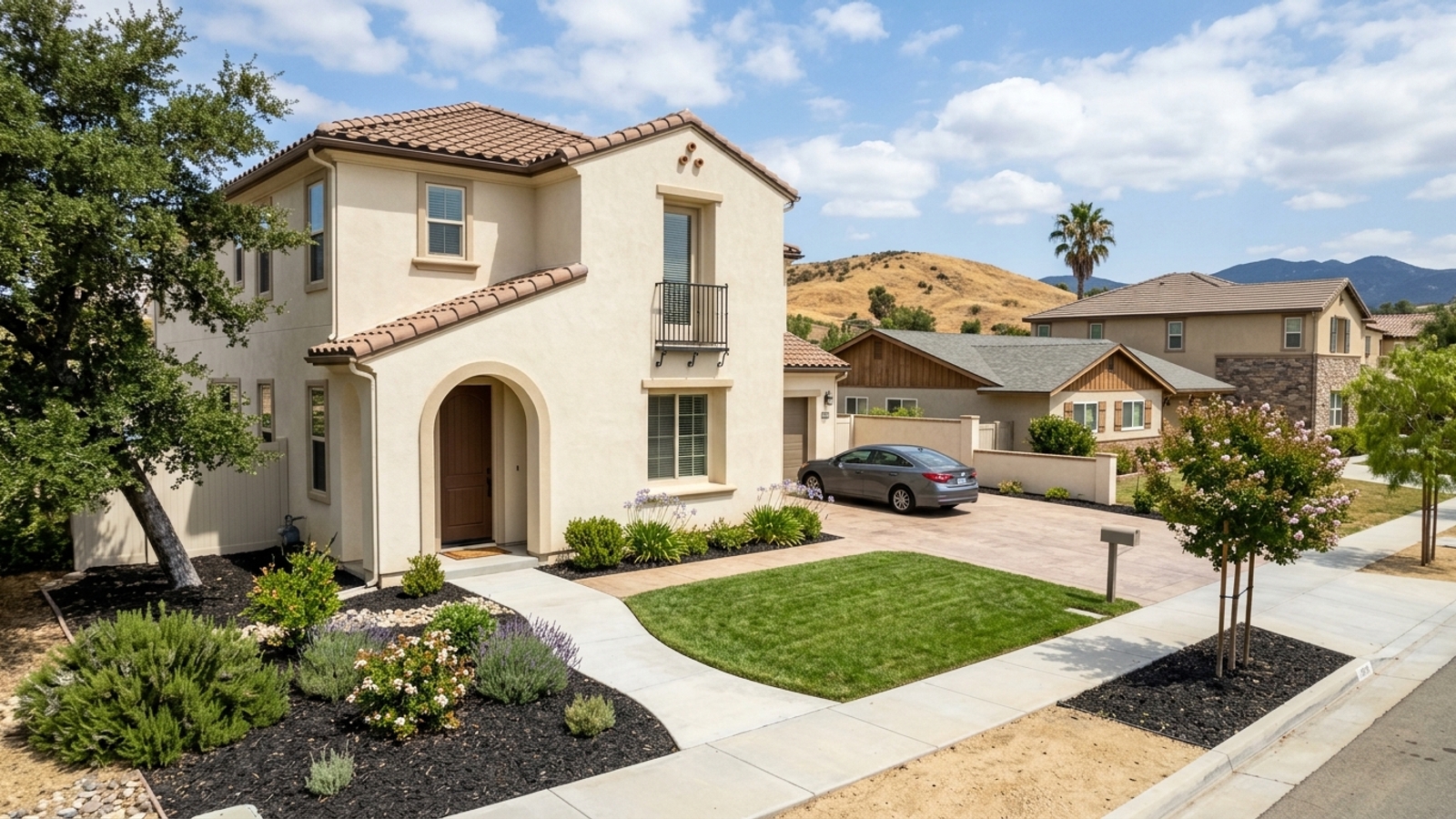
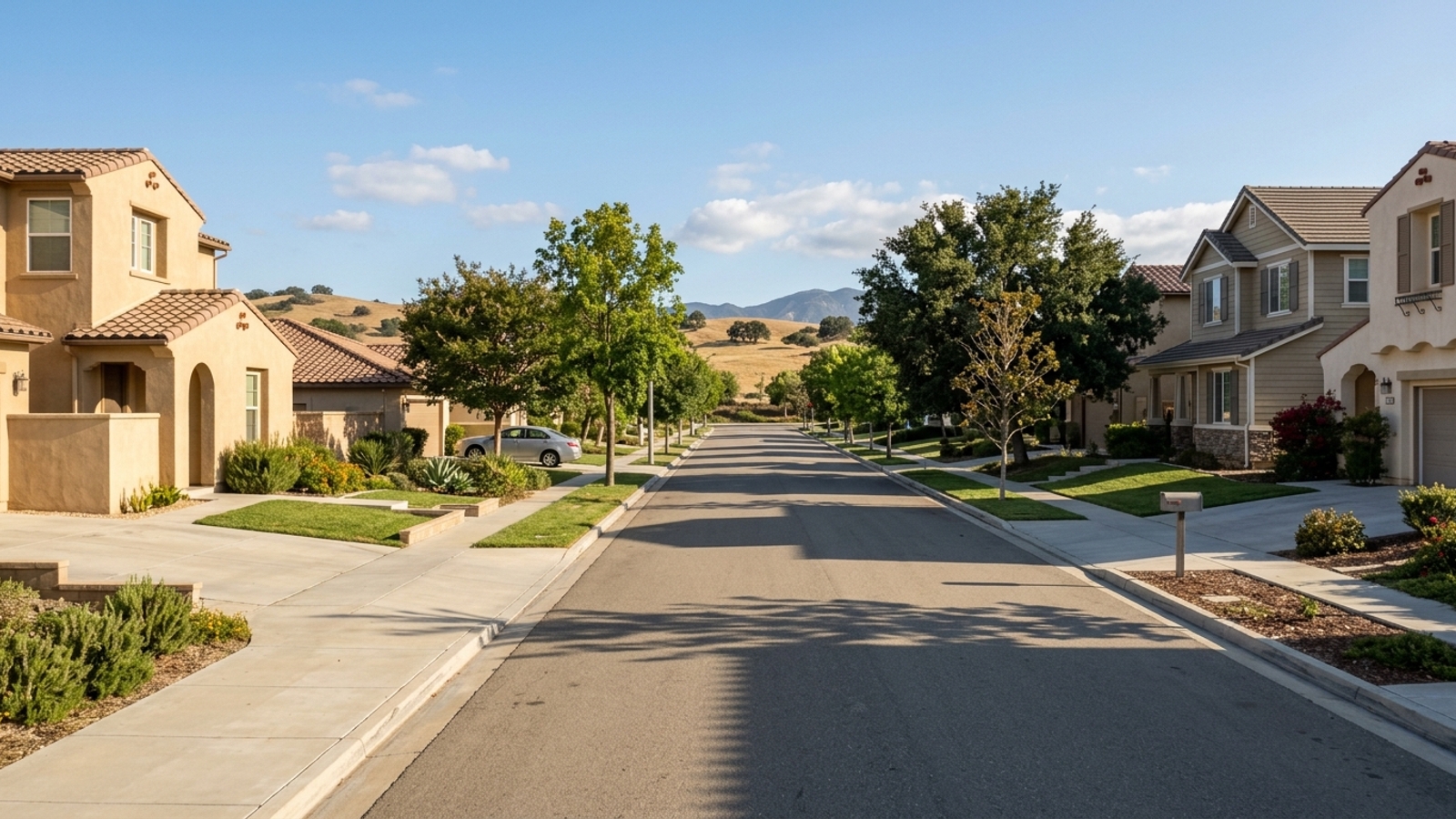
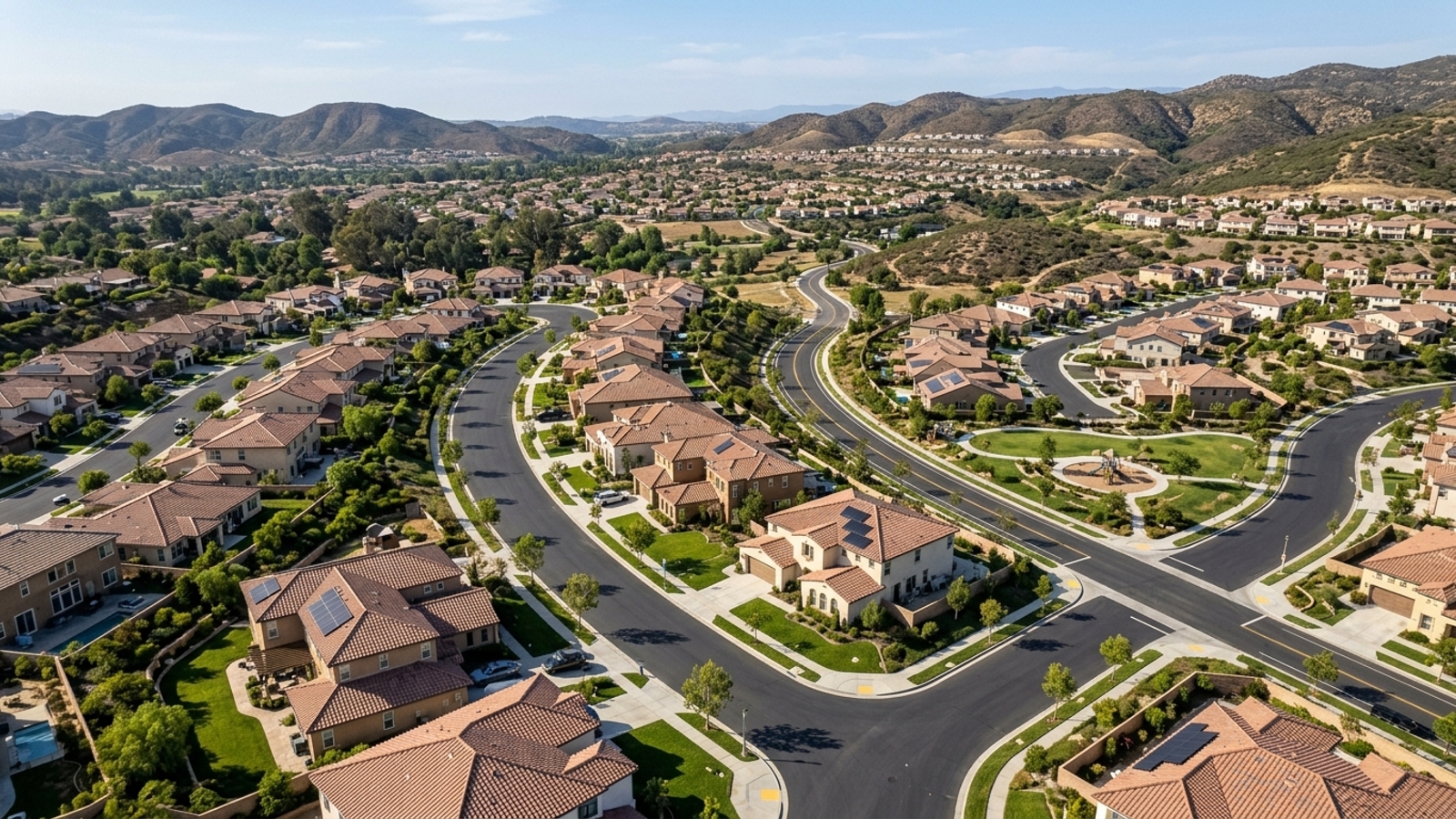
Temecula’s housing stock leans heavily toward newer developments built over the last few decades. Condominiums and townhome communities exist in both cities, but they’re not the dominant product in either market.
Property Taxes and Cost of Living Differences
California’s Proposition 13 sets the base property tax rate at 1% of assessed value statewide. That’s the floor. What you actually pay as a homeowner in Temecula or Riverside depends on local assessments and special tax districts layered on top of that base - and those can add up fast, particularly in newer master-planned communities built to fund their own infrastructure.
Comparing Local Property Tax Rates
In Temecula, most homeowners are paying an effective rate somewhere between 1.04% and 1.15%. If your home is in a newer development with a Mello-Roos assessment, that effective rate can climb to 1.9%.
Riverside runs lower. The citywide median effective rate is around 0.64%, with specific ZIP codes ranging from roughly 0.62% to 1.06%. That gap matters when you’re calculating a monthly payment.
Utility and Insurance Expenses
Both cities require real energy use for summer cooling - that shows up on your electricity bill every month. Homeowner’s insurance premiums vary based on the specific property’s location and age, so get quotes early during escrow. Don’t wait until you’re already in contract to find out what coverage costs.
Commuting and Transportation Options
Interstate 15 is the main highway connecting Temecula to Riverside, running north through Murrieta and Lake Elsinore. The route you rely on daily will shape your experience of whichever city you choose more than almost anything else.
Both cities offer access to major freeways that reach employment centers in the Inland Empire, San Diego, and Los Angeles - but the practical difference between them is real.
Highway Access and Transit Routes
Interstate 215 splits off in Murrieta and runs directly into Riverside and San Bernardino. State Route 79 also serves the Temecula area, overlapping with I-15 for several miles. Public transit exists in both cities, though the honest truth is that most residents drive. Riverside’s larger infrastructure network does provide more regional transit connections than Temecula.
Driving to Regional Employment Hubs
Temecula’s position in the southern portion of Riverside County puts it closer to San Diego County - commuters heading south tend to prefer it for exactly that reason. Riverside sits further north, which makes it a more practical base for anyone working in Los Angeles or San Bernardino.
Map your actual commute during peak hours before you commit to a neighborhood. That’s not a suggestion.
Local Amenities and Outdoor Recreation
Riverside functions as a large urban center with dense civic and commercial infrastructure. Temecula has a more suburban layout - concentrated retail corridors and planned community spaces rather than a traditional downtown grid. The difference reflects each city’s development history and zoning, and it affects daily life in ways that are hard to fully appreciate until you’ve spent time in both.
Access to Outdoor Recreation
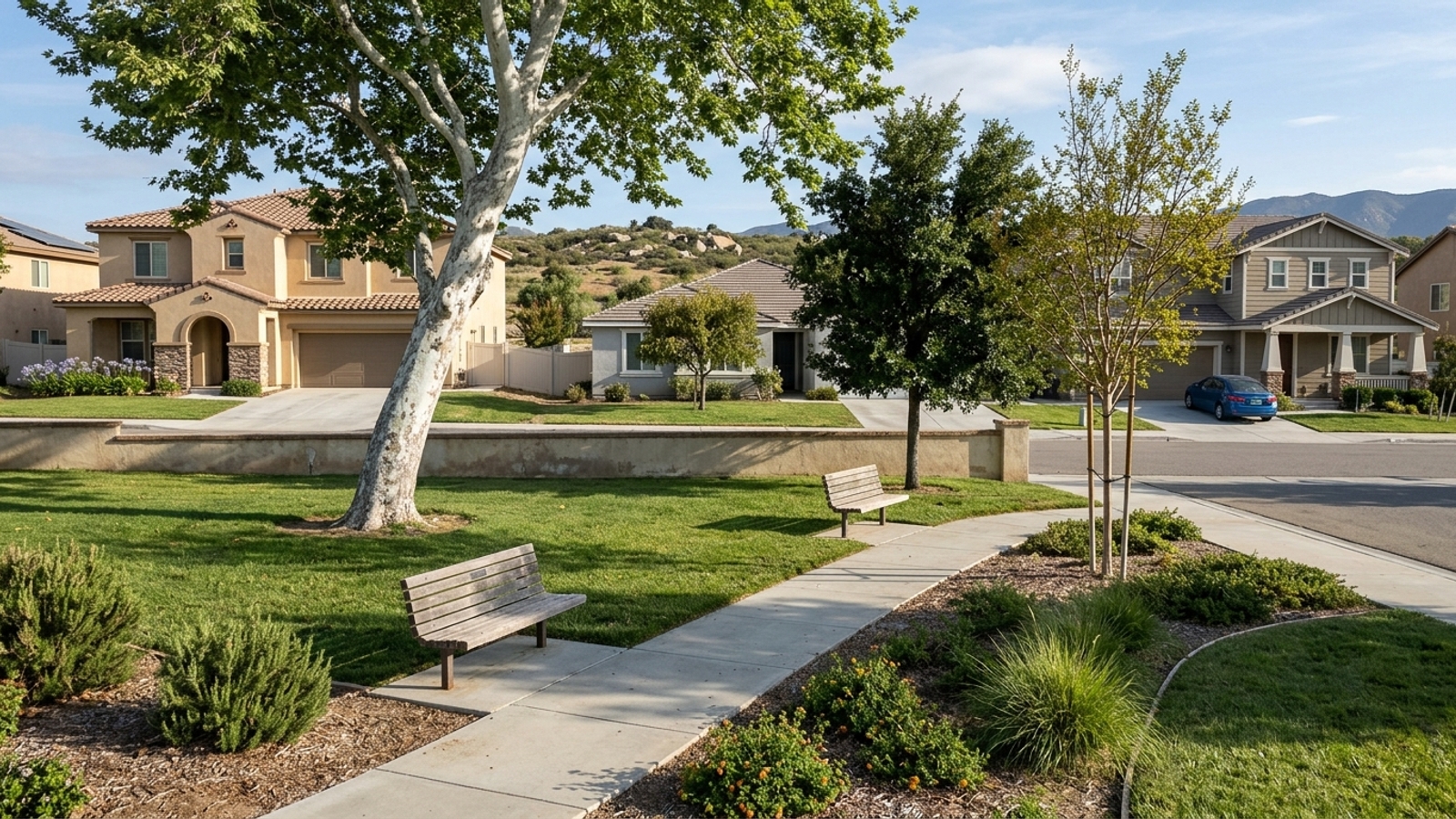
Municipal parks and recreation facilities are distributed throughout both cities - sports fields, walking paths, community centers maintained by local parks departments. Open space availability varies by neighborhood, though. If proximity to trails or specific recreational facilities matters to you, pull up the municipal maps for your target neighborhoods and see what’s actually within walking distance.
Commercial and Dining Corridors
Riverside has extensive commercial zoning: varied retail centers, independent restaurants, large-scale shopping districts, and a downtown that functions as a real hub for dining and entertainment. Temecula has its own commercial sectors, including major shopping malls and localized dining districts. You won’t be driving an hour for groceries in either city.
Next Steps for Your House Hunt
A $650,000 budget buys a meaningfully different property in Temecula than it does in Riverside. The price point looks similar on paper, but lot sizes, tax exposure, and commute times shift the real cost of ownership in each direction.
Before you make an offer anywhere, verify municipal details directly with city or county offices. Localized data on housing inventory and civic services is worth the time it takes to gather.
Researching Municipal Data and Schools
School district lines don’t always match city boundaries, and zoning can change - so if school assignments matter to you, go directly to the local district websites for boundary maps and enrollment requirements. Don’t rely on assumptions about which school serves a given address.
For information on local safety and civic services, the official municipal police and fire department portals are the right starting point.
Consulting a Local Agent
A local agent can pull recent sales data to show you exactly what a specific budget buys in each ZIP code - not estimates, actual comparable sales. They’ll also flag which neighborhoods carry Mello-Roos or other special assessments before you fall in love with a house and then discover the real tax burden. That kind of detail changes the math on a purchase, and it’s easy to miss if you’re not looking for it.
Frequently Asked Questions
Is it more expensive to buy a house in Temecula, CA compared to Riverside?
Yes. The median home price in Temecula is around $747,000, while the median home value in Riverside runs roughly $645,000 to $665,000.
Which city offers a better daily commute to San Diego or Los Angeles: Temecula or Riverside?
It depends on where you’re going. Temecula is further south along I-15, which makes it a shorter drive to San Diego. Riverside sits further north, which gives it better access to Los Angeles and San Bernardino.
Do homes in Temecula have higher HOA fees and Mello-Roos taxes than older neighborhoods in Riverside?
Often, yes. Temecula has many newer developments with Mello-Roos assessments that can push the effective tax rate up to 1.9%. Riverside’s older neighborhoods generally don’t carry those special assessments, which is part of why the city’s median effective tax rate sits around 0.64%.
How do public schools and local amenities compare between Temecula and Riverside?
Both cities have extensive municipal amenities - parks, sports fields, community centers. For school boundary maps, enrollment data, or district performance, go directly to the official local school district websites. That’s the only reliable source for that information.