The median home price in Temecula, CA, is currently around $747,000, and available properties spend roughly 35 days on the market. Most buyers weighing the pros and cons of living in Temecula, CA come in focused on floor plans, school proximity, and lot size - which makes sense. But the infrastructure running beneath the ground matters just as much to your monthly budget and daily routine as anything above it. A property’s water source fundamentally shapes what you are actually buying.
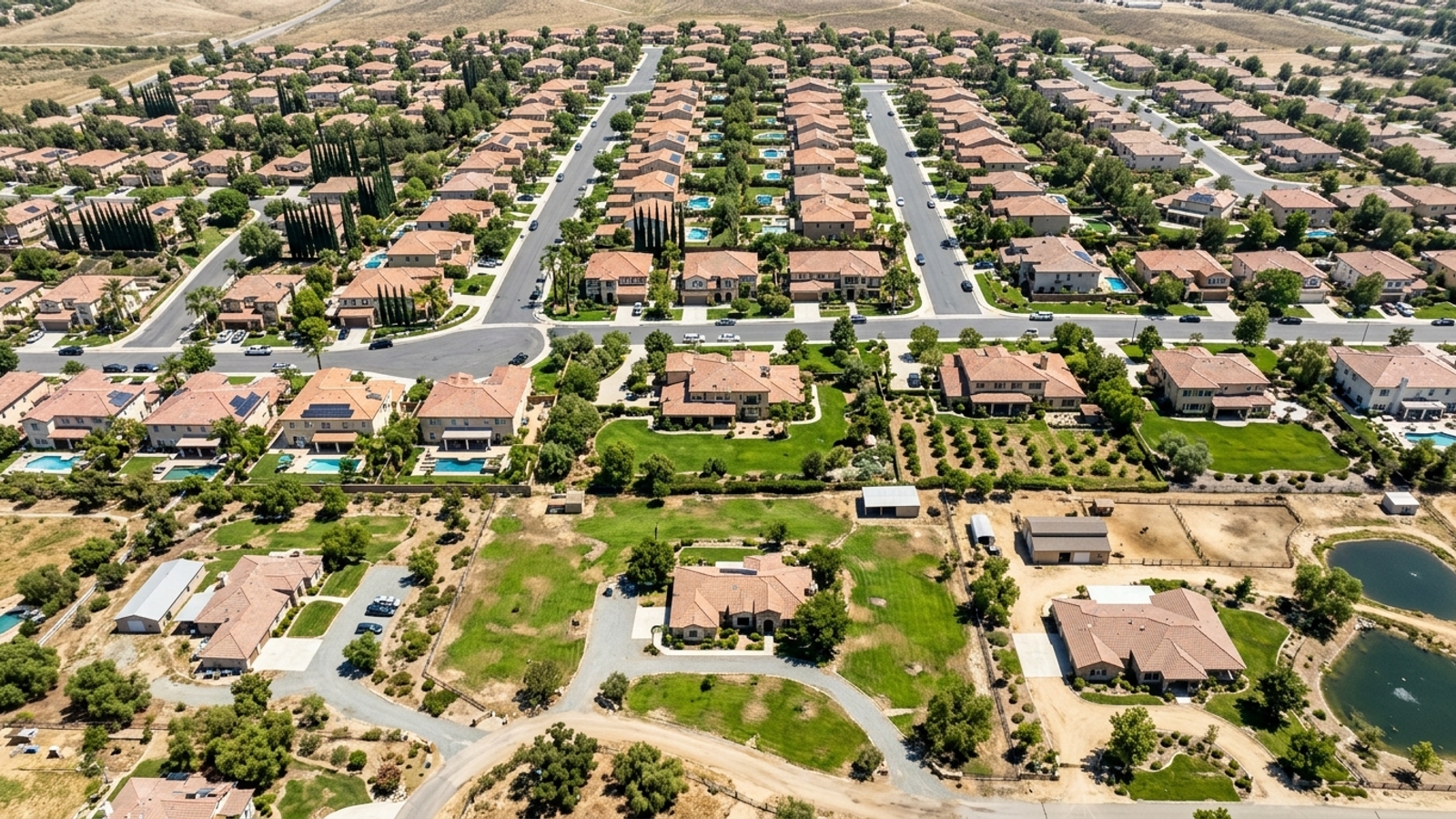
Temecula sits in Riverside County, California, where residential neighborhoods transition quickly into acreage and agricultural land. That shift means some homes connect to a centralized municipal grid, while others pull entirely from private groundwater. Which system a property uses will shape your monthly bills, your maintenance responsibilities, and habits you didn’t know you’d have to develop.
Comparing City Water and Well Water Options
The primary water utility serving the area is the Rancho California Water District - commonly known as Rancho Water. This agency provides municipal water to the city of Temecula, portions of Murrieta, and surrounding unincorporated areas of southwest Riverside County. Homes tied to this system receive treated, pressurized water directly to their taps with no on-site pumping required.
Properties further out from the city center often operate on private wells, pulling groundwater directly from the aquifer beneath the lot. A private well makes the homeowner fully responsible for the equipment, water quality, and supply consistency. If you’re looking at larger lots, verify the water source before you fall in love with anything else.
Identifying Your Water Source
A visual inspection of the property usually tells you what you need to know. Homes on the Rancho Water grid will have a municipal water meter near the street or sidewalk. Properties with private wells typically have a wellhead - a capped pipe sticking out of the ground - and a pressure tank in a pump house or garage.
If the physical equipment isn’t obvious, pull the seller’s utility bills. A property without a monthly water bill from Rancho Water is almost certainly drawing from a private well.
Common Types of Private Wells
Drilled wells are bored deep into the earth with casing installed to prevent collapse and contamination. These deep systems offer reliable water flow and hold up better during surface-level droughts.
Older properties might feature dug, bored, or driven wells, though these are less common for modern residential use. Shallow wells draw from groundwater much closer to the surface, which makes them more vulnerable to seasonal dry spells and environmental runoff.
Monthly Bills and Long-Term Costs
Typical residential water bills in Temecula generally range from about $100 to $180 per month. Standard-sized lots in denser neighborhoods tend toward the lower end. Larger properties and homes with extensive landscaping often push toward the higher end - sometimes well past it.
Based on Rancho Water’s rate schedule, water costs increase by roughly $3.50 for each additional 1,000 gallons used beyond the base allotment. That tiered structure adds up fast once summer irrigation kicks in.
What Drives Up Your Monthly Usage
Irrigation is the biggest driver of high water bills in Southern California. Expansive lawns, fruit trees, and automated sprinkler systems consume thousands of gallons a month. Drought-tolerant landscaping and drip irrigation are the most reliable ways to keep those numbers in check.
Pools are another factor worth understanding before you make an offer. Evaporation rates during hot Temecula summers are significant, and refilling a pool while running water features will routinely push a household into higher pricing tiers.
Septic Systems and Well Economics
Homes with private wells almost always use private septic systems for wastewater, so these owners don’t pay municipal sewer fees. The absence of a monthly water and sewer bill creates real cash-flow savings. That said, those savings belong in a reserve account - well pump replacements and periodic septic pumping are inevitable, and neither is cheap when the time comes.
Water Quality and Safety Considerations
Rancho Water treats and tests its municipal supply continuously to meet state and federal drinking water standards. Homes connected to the grid receive water that’s safe for consumption straight from the tap, and the district publishes annual reports detailing exact mineral content and treatment processes.
Private well owners are their own water utility. Groundwater in Riverside County can contain naturally occurring minerals, agricultural runoff, or bacteria that require treatment before use - and it’s entirely on the homeowner to stay on top of it.
Testing and Filtration Options
Well water should be professionally tested at least once a year for coliform bacteria, nitrates, and local contaminants. Many homeowners install whole-house filtration systems to remove sediment and improve taste. Reverse osmosis systems under the kitchen sink are also popular for drinking water specifically.
Mineral Content and Daily Usage
Depending on the mineral content of a specific well or the municipal supply at a given time, water can leave scale on plumbing fixtures and make skin feel dry after showering. Installing a water softener is a standard upgrade for many homeowners looking to control mineral levels - and that applies regardless of whether you’re on the city grid or a private well.
Benefits and Drawbacks of Private Wells
Owning a private well gives you independence from municipal utility rates and tiered pricing structures. You pay for the electricity to run the pump, but the water itself is free. For anyone maintaining large gardens, orchards, or livestock, that distinction makes a significant difference in operating costs.
The trade-off is straightforward: you assume all maintenance and repair costs, no exceptions. If a well pump fails on a Friday night, you’re writing a check for an emergency repair before the weekend is over.
Advantages of Well Ownership
Well water is free of added chemicals like chlorine or chloramine, which municipalities use for disinfection. Many people genuinely prefer the taste of untreated groundwater. Well owners are also exempt from municipal drought restrictions, so you can water on your own schedule rather than the city’s.
Common Maintenance Challenges
Well systems run on electricity, which means a power outage cuts off your water supply unless you have a backup generator. The mechanical components - the submersible pump and pressure tank - have finite lifespans and will need periodic replacement. Drought conditions can also lower the water table, potentially requiring the well to be drilled deeper.
Connecting to Municipal Water
Some properties currently on well water sit close enough to the Rancho Water infrastructure to connect to the municipal grid. That transition means laying new pipe from the street to the house and paying connection fees to the district - it’s a genuine construction project involving trenching, permits, and coordination with local authorities.
Because Temecula is part of the broader Riverside-San Bernardino-Ontario, CA, Metropolitan Statistical Area, utility expansion happens regularly. But properties deep in rural areas may find the nearest municipal water main is miles away, making connection physically or financially out of reach.
The Cost to Switch Systems
Connecting a home to city water is expensive. You’re paying for physical trenching and plumbing, plus hefty capacity and meter fees charged by the water district. Total costs can easily reach tens of thousands of dollars depending on the distance to the main line.
Maintaining Dual Water Sources
Some homeowners keep their private well operational for outdoor irrigation even after connecting the house to city water. The logic is reasonable - clean, reliable municipal water for drinking and bathing, free well water for agriculture. Local regulations dictate how these systems must be separated to prevent cross-contamination, so you’ll want to understand those requirements before setting anything up.
Evaluating a Property Before Purchase
With only 330 homes currently in local inventory, it’s easy to feel like you have to move fast and cut corners on due diligence. Don’t. A failing well system can cost thousands to repair, and that changes the financial reality of the purchase in ways that are hard to unwind after closing.
Hire a specialized well inspector - not just a general home inspector. This professional will evaluate the pump’s condition, the pressure tank’s functionality, and the overall yield of the well. It’s worth the extra cost every time.
Specific Tests to Request
Request a thorough water quality test for bacteria, heavy metals, and nitrates. Also order a flow test, which measures how many gallons per minute the well produces. A low-yield well might struggle to support heavy household usage or extensive irrigation - that’s not something you want to discover after you move in.
Questions for the Seller
Ask for the original well drilling log, which details the well’s depth and construction. Find out the age of the pump and when the system last received professional maintenance. And ask directly whether the well has ever run dry during past drought years. Sellers don’t always volunteer that information.
Frequently Asked Questions
Who is the primary water utility provider in Temecula?
Rancho Water (Rancho California Water District) manages the municipal grid for most of the city and nearby Murrieta. Buyers looking at rural acreage should contact the district directly with the property address, as service lines often stop before reaching unincorporated county lots.
What is the average monthly cost for water utilities in a standard single-family house in Temecula?
Most homeowners on the municipal grid pay between $1,200 and $2,160 annually for standard indoor and outdoor usage. Heavy summer irrigation easily pushes bills higher, making drought-tolerant landscaping a practical way to manage tier-based rate increases.