Moving to Southern California always starts with a budget conversation, especially when weighing the pros and cons of living in Temecula, CA. Temecula’s financial picture looks different from what you’d find on the coast, but that doesn’t mean it’s simple - housing, commuting distances, and daily expenses all deserve a hard look before you sign anything.
The area has come a long way from its agricultural roots, transitioning over the past few decades into a major residential hub. Buyers show up here trying to thread a specific needle: access to major job centers without paying coastal prices for the privilege.
Understanding Temecula Expenses at a Glance
Southern California carries a premium, and Temecula is no exception. What it does offer is more space for the dollar than the neighboring coastal counties - which is exactly why so many regional commuters end up here.
The overall financial picture is driven largely by housing, taxes, and how far you’re driving to work. Some costs track with state averages. Others depend entirely on which corner of the city you buy in.
How Expensive is the Area Overall?
Put plainly, living here costs more than most of the country. California runs above national baselines on gasoline, utilities, and groceries - that’s just the reality of being in this state.
Within Southern California, though, Temecula lands somewhere in the middle. It’s not the most expensive option, and it’s not the most remote. For buyers priced out of the coast but not looking to disappear into the desert, it tends to make sense.
Home Prices and Rent in the Local Market
Housing is where the biggest decisions get made. As of mid-2026, the median home sale price in Temecula sits around $747,000. Homes are moving in roughly 35 days and selling at nearly 100% of list price. With about 330 homes available and just under three months of supply, sellers are holding a slight advantage - not overwhelming, but real.
Renters are in a similar position. Leasing a single-family home or apartment here generally runs higher than the Riverside County average, though you’ll still come out ahead compared to locking down a comparable lease in San Diego or Orange County.
Comparing Regional Housing Values
Buyers frequently stack this market against the rest of the Inland Empire, and prices here do tend to come in higher than neighboring cities to the north. That reflects the demand built around local amenities and infrastructure - people are paying a bit extra to be here specifically.
Everyday Expenses Beyond Housing
Once the mortgage or rent is covered, everything else starts adding up. California utility rates rank among the highest in the country, and this region follows that trend. Summer temperatures frequently exceed 90 degrees, meaning the air conditioning runs constantly from June through September. Factor that into your monthly planning before you fall in love with a house.
Commuting and Transportation Costs
Most residents drive. The city sits along the I-15 corridor, which carries commuters south toward San Diego and north into Riverside and San Bernardino counties. Long commutes mean more fuel and more wear on your vehicle - and with California gas prices consistently above the national average, a daily drive out of town will make itself felt in your budget every single month.
Budgeting for Groceries and Healthcare
Grocery prices align closely with the rest of Southern California. You’ve got local supermarkets, farmers markets, and bulk-buy stores, so there are ways to manage weekly food costs if you’re paying attention.
Healthcare access is solid, with several local facilities and regional hospitals nearby. Routine medical costs, insurance premiums, and childcare expenses mirror broader state averages - nothing dramatically out of line, but California is California.
Local Tax Expectations
California levies a statewide sales tax, and municipalities layer local district taxes on top of that. Retail purchases, dining out, and everyday goods will carry those combined rates.
Property taxes deserve a careful look. Riverside County assesses property values based on your purchase price, so your baseline tax bill is set by what you actually pay for the house - not some arbitrary assessment from years ago.
Special Assessments and HOA Fees
Many neighborhoods here carry Mello-Roos taxes - special assessments that fund local infrastructure like roads, schools, and parks in newer developments. If you’re shopping in anything built in the last few decades, you’ll want to check for these before you get attached to a number.
HOAs are common throughout the city as well. Monthly dues cover community maintenance and amenities, which means another fixed line item in your housing budget that doesn’t go away.
Income Needed for a Comfortable Lifestyle
How much you need to earn depends on your housing situation. Carrying a $747,000 mortgage at current interest rates requires a substantial household income - there’s no way around that math.
Lenders generally want housing costs to stay between 28% and 30% of gross monthly income. Once you fold in property taxes, insurance, and potential HOA fees, the number gets specific fast. Run your actual figures with a local lender rather than relying on general estimates.
What Constitutes a Livable Wage
A livable wage here has to cover Southern California housing, transportation, and state income taxes. Households with multiple earners tend to find it more manageable - two incomes spread the fixed costs in a way a single salary often can’t.
Buyers who commute to higher-paying job markets frequently use Temecula as a residential base. That strategy works, but the salary threshold climbs if you’re driving long distances daily or landing in a neighborhood with significant Mello-Roos assessments.
What Drives Local Prices
The city sits at the junction of the Inland Empire and San Diego County, pulling buyers from both directions. That geography alone keeps demand from going soft.
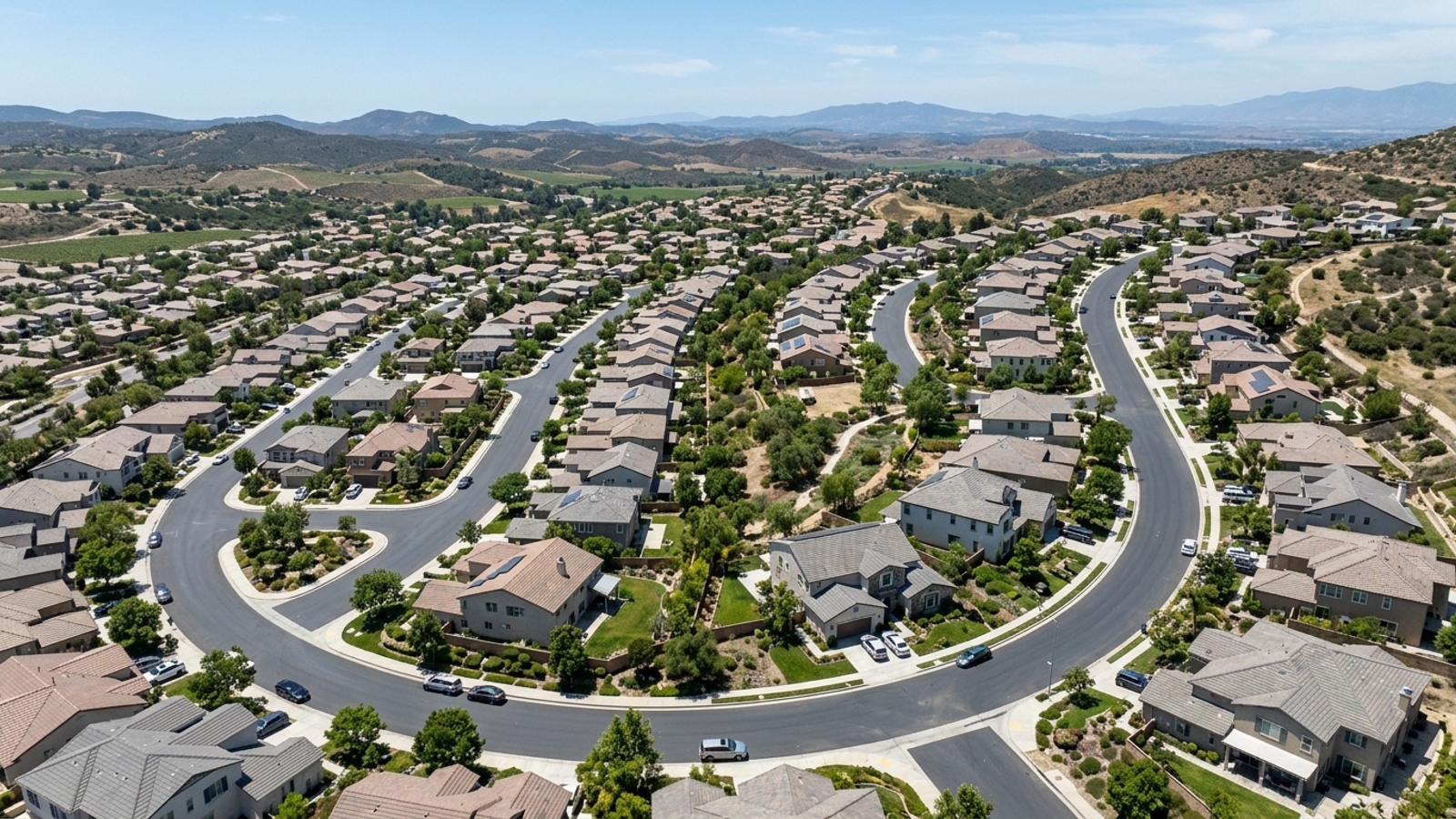
Decades of development have turned what was once a quiet agricultural stop into a full-scale suburban center. Retail hubs, wineries, and established neighborhoods all contribute to steady property values - there’s enough here that people choose it rather than just settling for it.
Main Factors Influencing Demand
Inventory stays tight. With only about 113 homes sold in a recent month and limited active listings, constrained supply does the work of supporting price points. Buyers are also drawn by what they actually get for the money - larger lots and newer construction than you’d typically find in older coastal communities.
Comparing the Area to Nearby Cities
The financial math shifts depending on which direction you look. Moving north toward Murrieta or Menifee can sometimes bring the purchase price down a bit. Moving south toward San Marcos or Escondido usually pushes it back up.
It’s worth doing the side-by-side comparison honestly rather than assuming any one area is obviously better value.
Alternative Areas to Consider
If the local median stretches your budget, surrounding towns in the Inland Empire are worth a look. Same climate, similar retail access, potentially a lower entry price on a single-family home.
Online cost of living calculators can help you put numbers to the differences. Comparing property taxes, commuting distances, and home prices across a few cities gives you a real picture of where your dollar goes furthest - rather than just going on feel.
Pros and Cons of Relocating Here
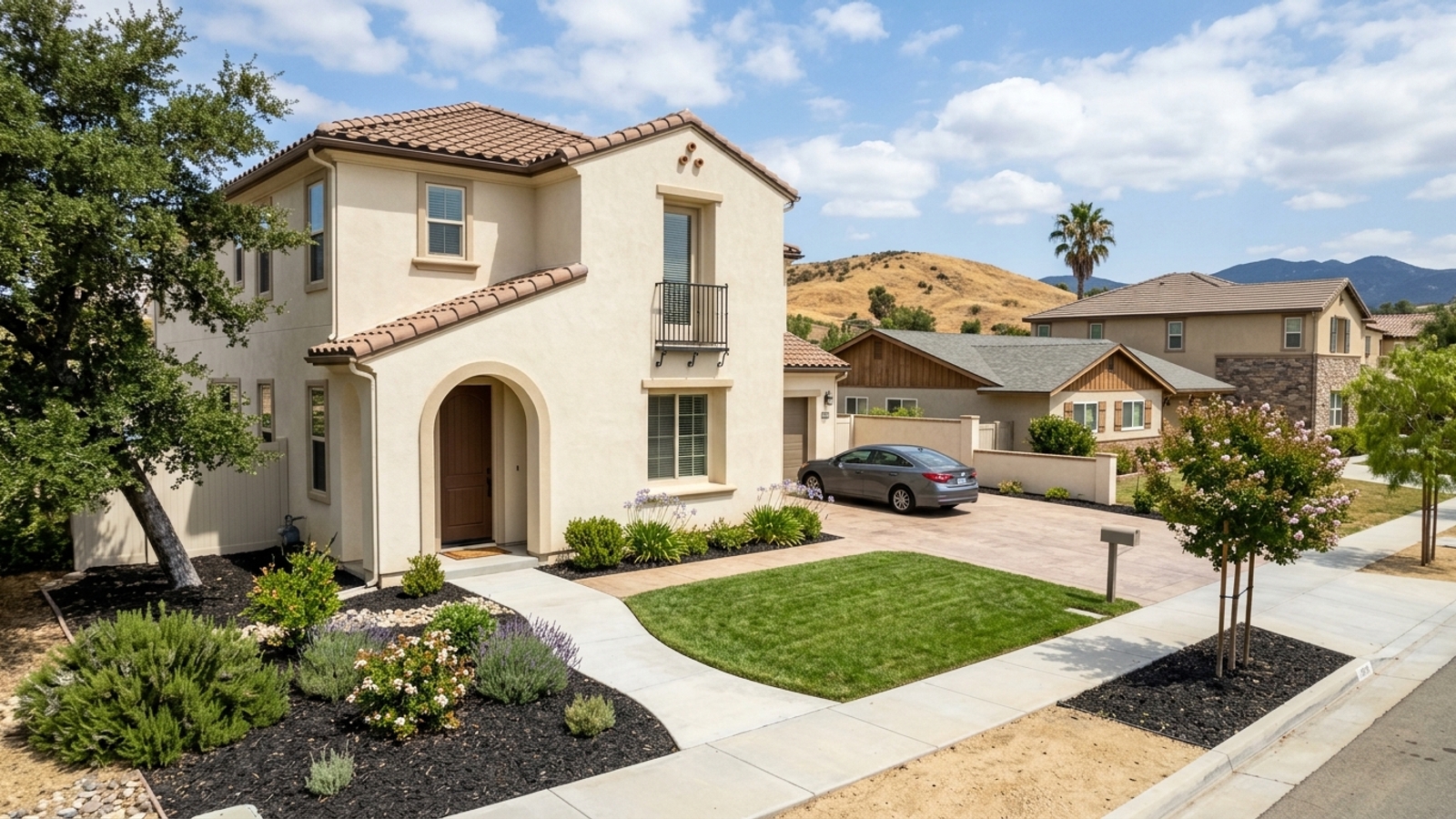
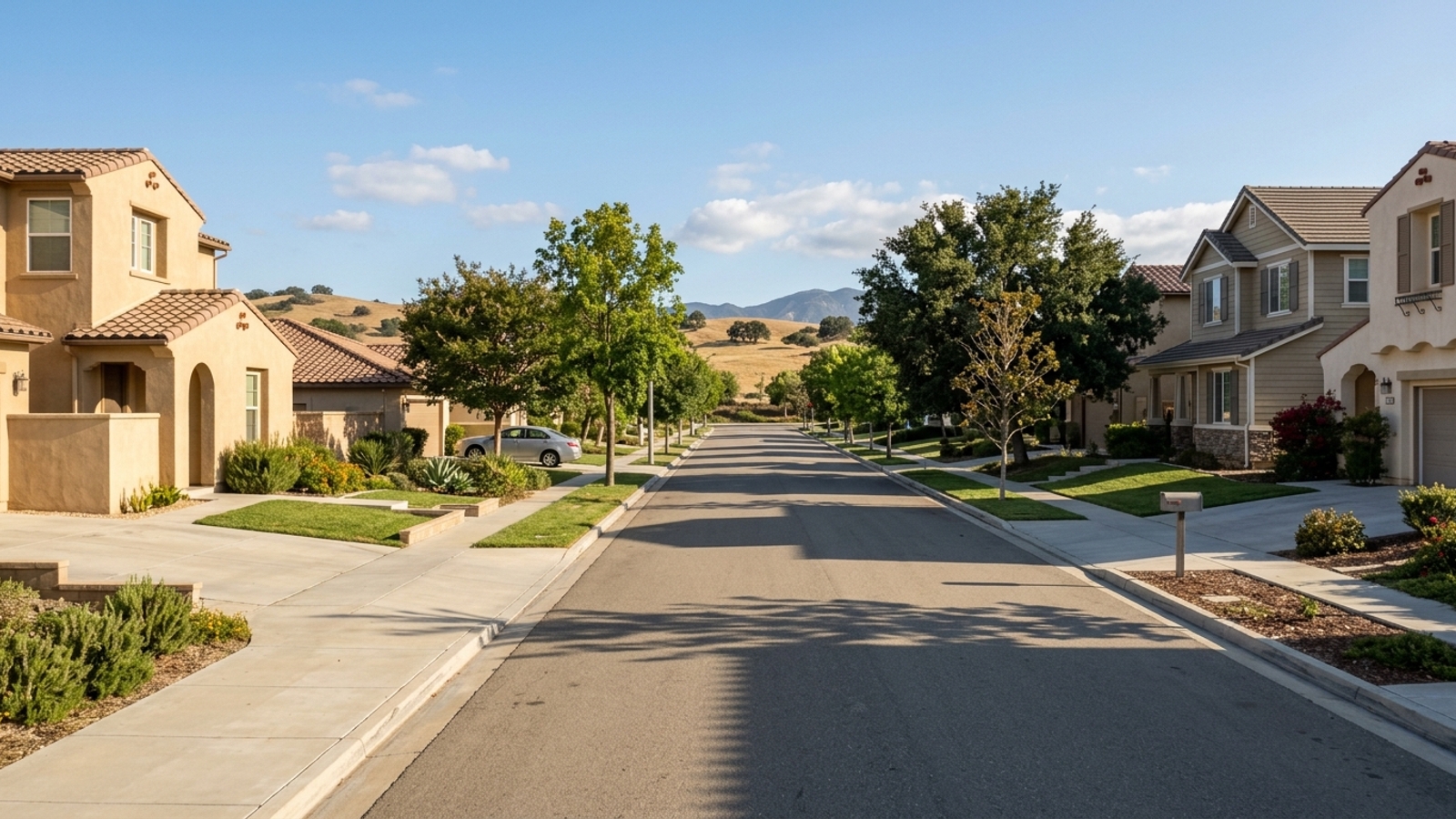
No city is without trade-offs. Temecula gives you a mature suburban environment with extensive retail, outdoor recreation, and community events. In exchange, you accept inland heat and the realities of regional traffic patterns. That’s the deal.
Weighing the Benefits and Drawbacks
On the plus side, the housing stock is generally newer, and buyers typically get more square footage than they would closer to the ocean. The amenities are there.
The primary drawbacks come down to transportation and summer cooling costs. The I-15 can be a grind, and running air conditioning through peak summer months isn’t cheap. Neither of those is a dealbreaker for most buyers who’ve done the math - but both need to be in the calculation.
Frequently Asked Questions
Is it actually cheaper to live in Temecula compared to San Diego or Orange County?
Yes, housing costs are generally lower here. While the median home price in Temecula, CA is around $747,000, comparable homes in coastal counties typically cost considerably more. Just account for the added commuting costs if your job is closer to the coast - that gap closes faster than people expect.
How much should I expect to pay for Mello-Roos and HOA fees when buying a home in Temecula?
It depends entirely on the specific neighborhood. Newer developments usually carry higher Mello-Roos assessments and HOA dues to fund local infrastructure and amenities. Older parts of town may have low or no HOA fees and expired Mello-Roos taxes. Always check before you make an offer.
What is a comfortable salary to afford a house and live comfortably in Temecula right now?
It depends on your down payment and existing monthly debt. To afford the median $747,000 home while keeping housing costs under 30% of gross income, most households need a solid six-figure salary. Get with a lender and run your precise numbers based on current interest rates - the general estimates only get you so far.
How high do summer electricity bills get in Temecula due to the extreme heat?
They can be substantial. Temperatures frequently exceed 90 degrees from June through September, which means the air conditioning runs constantly. Homeowners typically see electricity costs spike hard during those months compared to the milder winter season.
What is the average property tax rate for a single-family home in Temecula?
Your base property tax is determined by Riverside County based on your home’s purchase price. The exact effective rate varies depending on whether your specific neighborhood carries additional Mello-Roos taxes or special assessments - which is why two houses on different streets can end up with meaningfully different tax bills.
How much will commuting from Temecula to major job hubs like San Diego add to my monthly living expenses?
Commuting south on the I-15 adds real fuel and vehicle maintenance costs. California gas prices remain above the national average, so a daily long-distance drive takes a steady bite out of your monthly budget. It’s not a reason to rule out the area, but it needs to be in the math.