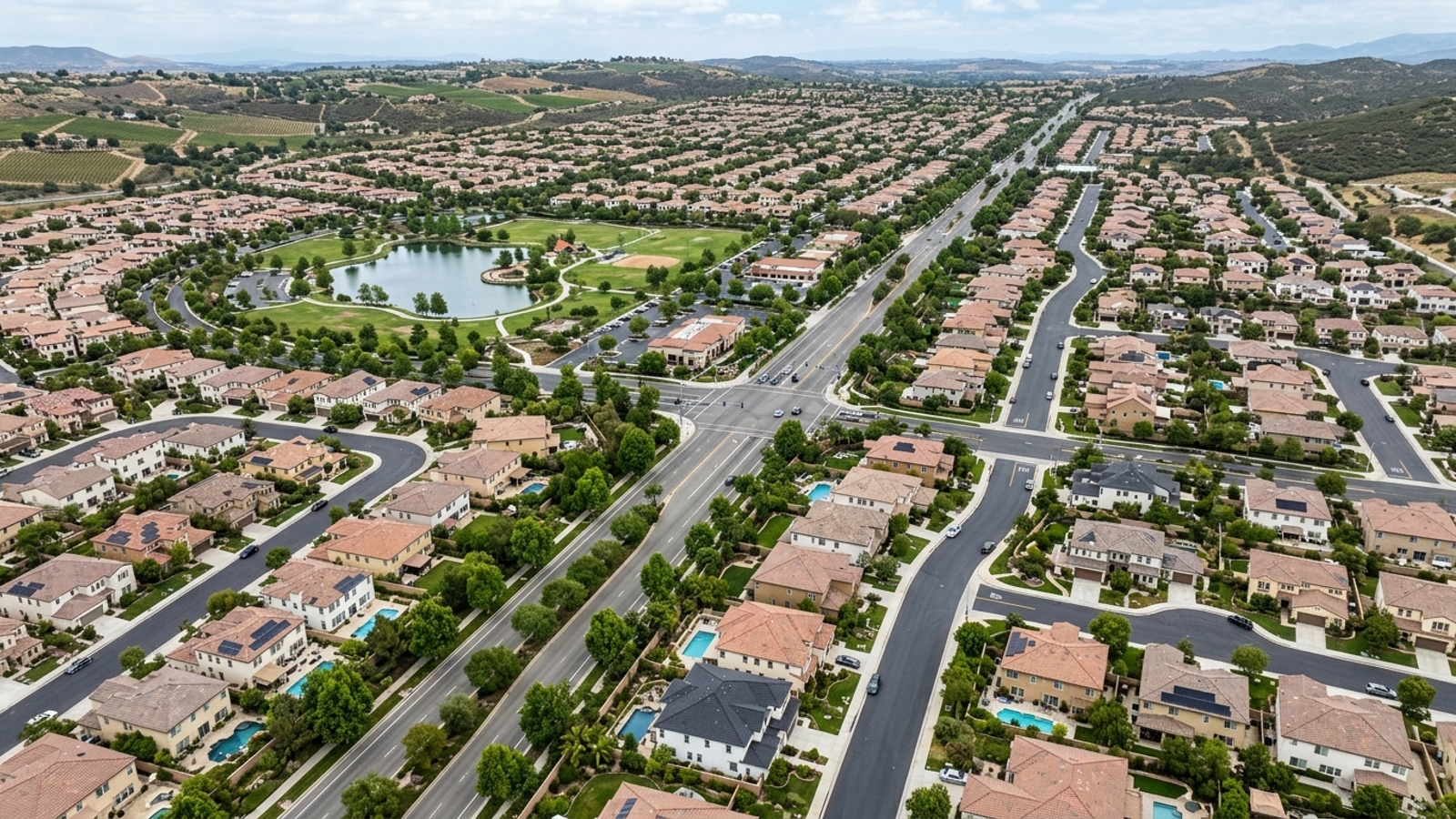
Temecula, CA has 110,003 residents and sits in the southwestern corner of Riverside County, inside the Riverside-San Bernardino-Ontario metropolitan area - what most people just call the Inland Empire. It’s not a coastal town, and that’s exactly the point. The housing market here operates on its own terms, separate from the pressures you’d feel closer to the water, which is a major factor when weighing the pros and cons of living in Temecula, CA.
Buyers come here looking for a particular trade-off: more house, a suburban pace, and a commute to San Diego that runs about an hour south on a good day.
Where Temecula Fits on the Map
The city sits at the southwestern edge of Riverside County, right where the Inland Empire meets San Diego County. That border position is a feature, not a footnote - it means a large share of residents are crossing county lines regularly, whether for work, family, or recreation.
The city’s primary ZIP codes run from 92589 to 92593. That range matters more than it sounds, because drive times to San Diego or into the Inland Empire core can shift noticeably depending on where a property sits within that spread. Before you fall in love with a listing, map the commute from that specific ZIP code.
Commuting and Regional Access
San Diego is the nearest larger coastal metro, and you’re looking at roughly an hour of driving to get there. That number is a fair-weather estimate - morning and evening traffic will push it, sometimes significantly.
Buyers who work within the Inland Empire itself generally have a shorter story to tell. The Riverside-San Bernardino-Ontario metro area wraps around the city’s northern and eastern edges, so localized commutes within that region tend to stay manageable. The draw here is avoiding coastal density without cutting yourself off from it entirely.
Housing Prices and the Local Cost of Living
The median sale price in Temecula is approximately $747,000. Homes are sitting on the market a median of 35 days, and sellers are closing at an average of 99.6% of list price - which tells you this isn’t a market where buyers have a lot of leverage to lowball.
Active inventory sits at roughly 330 homes, which works out to about 2.9 months of supply. In a recent month, 113 homes sold. That’s a steady clip, not frantic, but not slow either.
Renting and Property Taxes
If you’re planning to rent before committing to a purchase, the median rent runs $2,262 per month. Rentals are distributed across the city’s main residential zones rather than concentrated in one area.
Property taxes deserve a careful look before you finalize any budget. California’s Proposition 13 sets the base rate at 1% of assessed value, and the median effective property tax rate in Temecula comes in around 0.70%. But your actual bill depends on the specific ZIP code and whether the property sits inside a Mello-Roos or special assessment district - and plenty of them do. Get the full tax breakdown on any property before you write an offer.
Neighborhoods and Housing Options
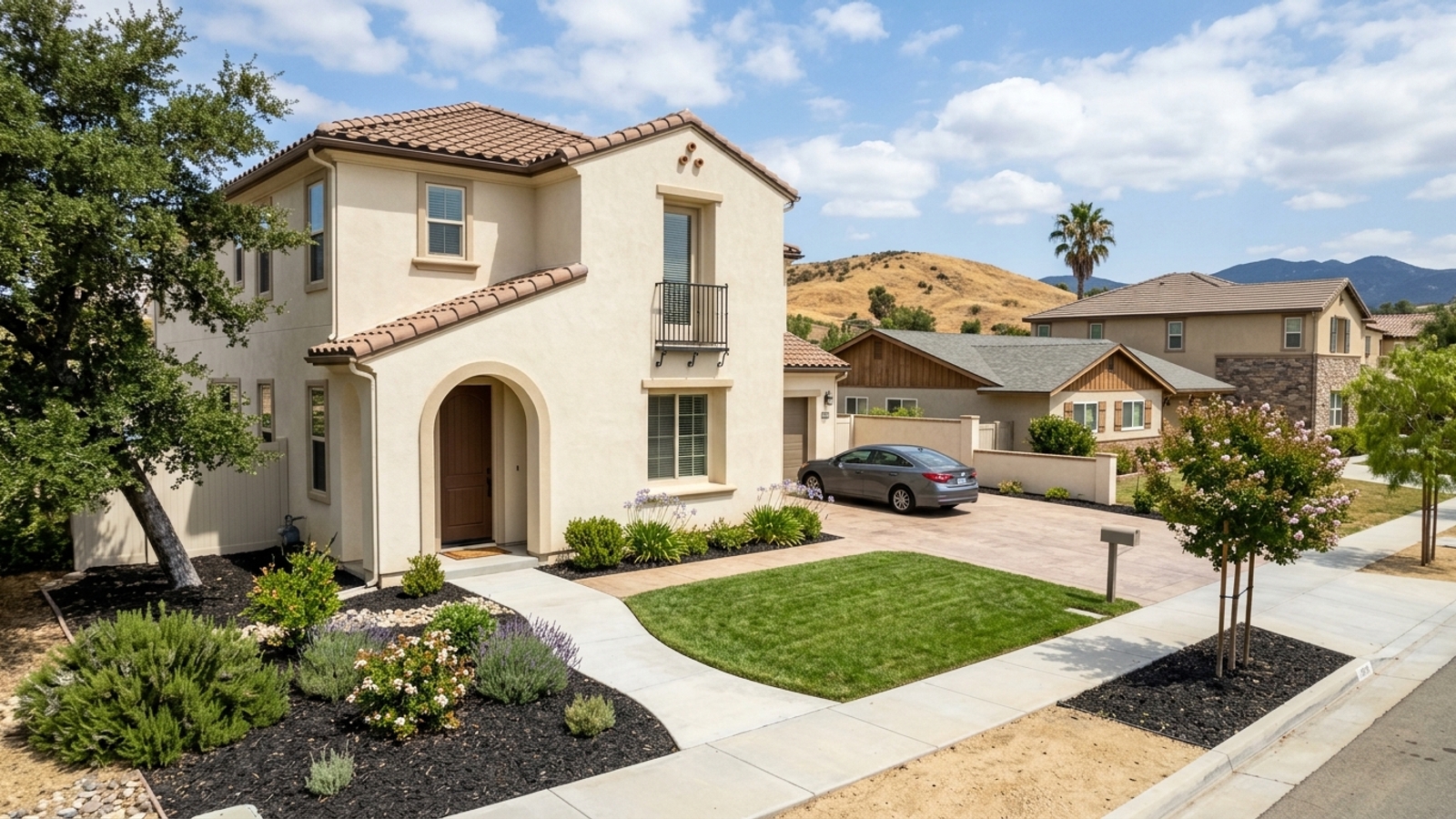
Several established subdivisions come up constantly in local searches: Harveston, Redhawk, Wolf Creek, Paloma del Sol, and Chardonnay Hills. These are the names you’ll hear from agents, from neighbors, and from anyone who’s done even a few hours of research before relocating here.
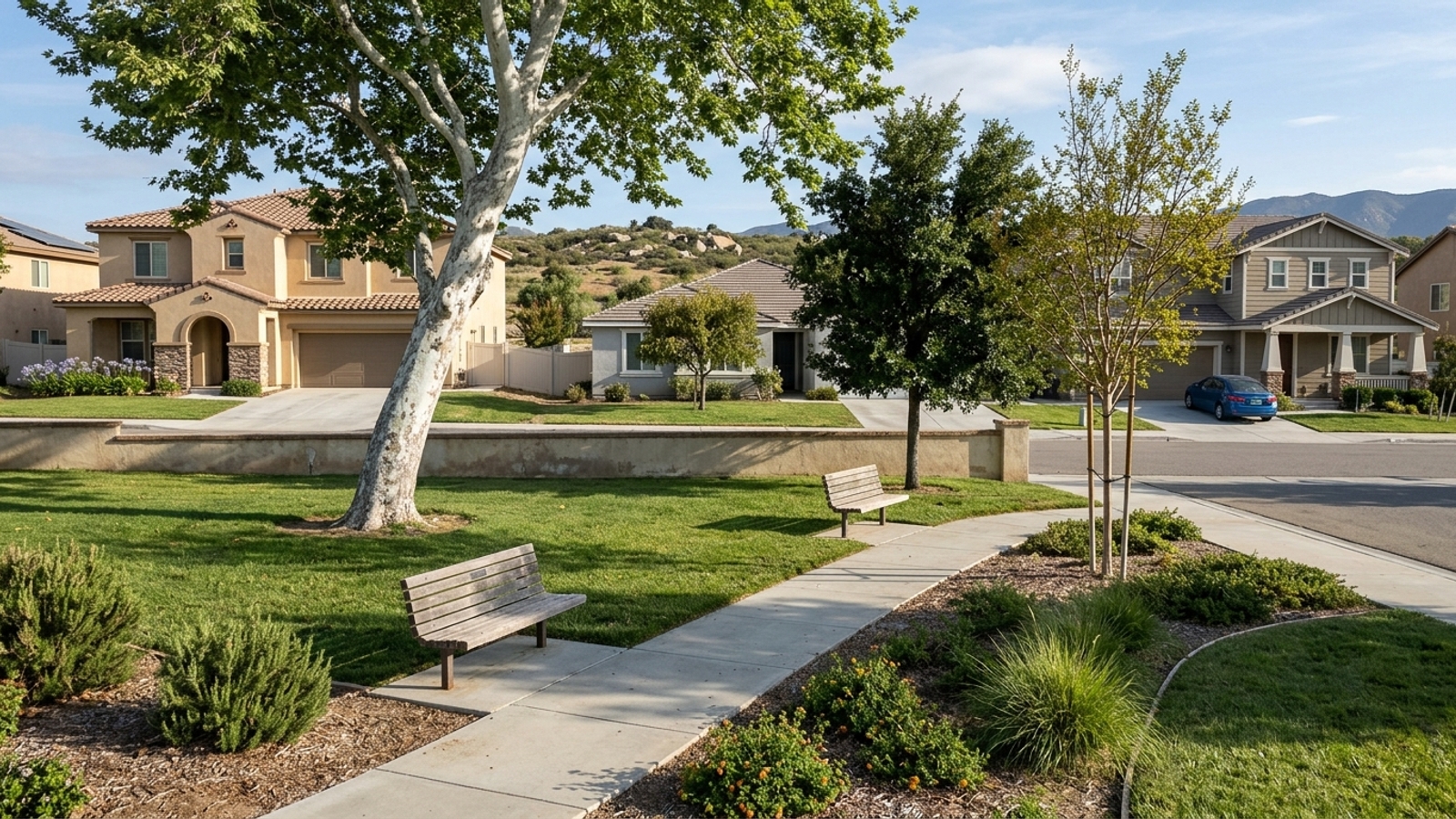
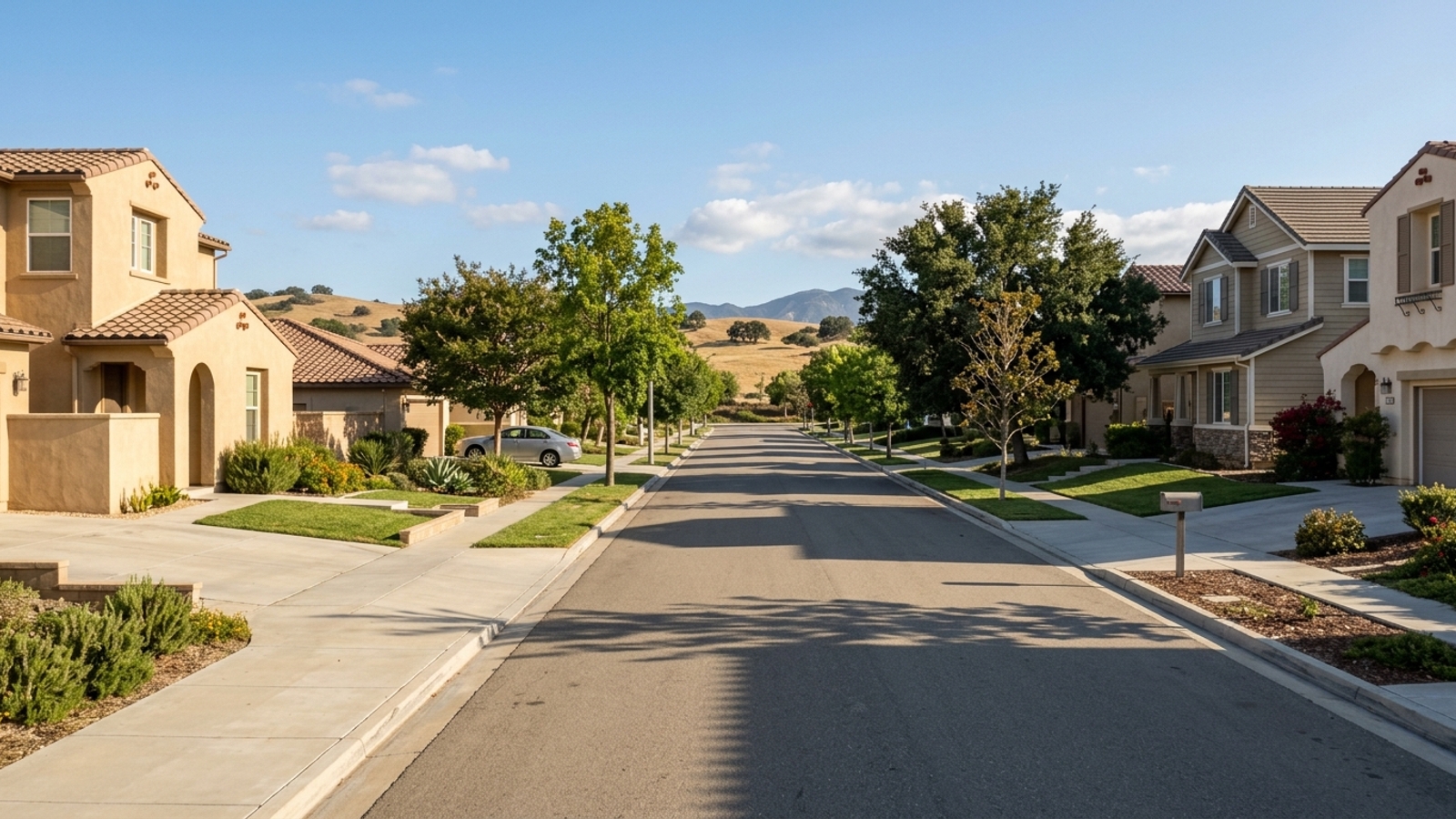
The mix across these areas leans toward single-family homes in planned community layouts. Harveston, Redhawk, Wolf Creek, and Paloma del Sol also show up regularly in rental market data, so if you want to lease in an established neighborhood before buying, you’ll have real options.
Living in Old Town Temecula
Old Town Temecula is the city’s historic downtown core, and it functions differently from the larger subdivisions ringing the edges of town. The architecture is older, the developments are denser, and the environment skews more walkable than anything you’ll find further out.
Buyers and renters who specifically search for homes or apartments in downtown Temecula, CA are usually after that central access - putting themselves right next to the city’s primary commercial strip, the dining scene, and the independent retail that makes Old Town the area’s social center.
Daily Amenities and Local Education
The dining scene concentrates in Old Town, where restaurants in downtown Temecula, CA cluster alongside historic architecture, regular events, and independent retail shops. Beyond the downtown core, you get the standard suburban spread - grocery stores, retail chains, and the full range of daily services without needing to drive into a neighboring city.
The city is self-sufficient for everyday living. That’s not something every suburb at this distance from a major metro can say.
Temecula Valley Unified School District
Public schools here fall under the Temecula Valley Unified School District, a K-12 system that covers students within the city limits. The district’s boundaries reach further than the city itself, also serving unincorporated portions of nearby Murrieta and French Valley.
Don’t assume a property in the area automatically feeds into the school you’re expecting. Pull the district’s zoning maps and confirm exactly which schools are assigned to any address you’re seriously considering.
Planning a Scouting Trip to the Area
Do yourself a favor and visit before you sign anything. Drive the route to San Diego during actual peak hours - not at 10 a.m. on a Tuesday, but on a morning when real commuters are on the road. That experience will tell you more than any estimated drive time.
Book one of the hotels in downtown Temecula, CA so you can spend time on foot in Old Town. Staying near that district gives you a ground-level read on the community’s daily rhythm, the dining, and what the walkable parts of the city actually feel like before you commit to a neighborhood that might be a 10-minute drive away from all of it.
Frequently Asked Questions
How does the cost of buying a home in Temecula, CA compare to San Diego?
Temecula generally runs lower than coastal markets. With a median sale price of around $747,000, buyers typically find more space here than they’d get for the same money an hour south in San Diego.
What are some popular neighborhoods in Temecula for commuters?
The names that come up most are Harveston, Redhawk, Wolf Creek, Paloma del Sol, and Chardonnay Hills. These established subdivisions offer a range of housing styles and show up regularly in searches from both buyers and renters moving to the area.
How much should I expect to pay for Mello-Roos taxes when buying in Temecula?
It depends on the specific property and ZIP code. The median effective property tax rate sits at about 0.70%, on top of California’s Proposition 13 base rate of 1% - but many neighborhoods carry additional Mello-Roos or special assessment districts that push the total higher. Get the full picture on any property before you commit.
What is the difference between buying a house in Temecula versus neighboring Murrieta?
The two cities share a border and some regional infrastructure. One concrete overlap: the Temecula Valley Unified School District serves both Temecula and unincorporated parts of Murrieta, so the school district boundary doesn’t follow the city line cleanly.
How long is the daily commute for Temecula residents traveling south?
About an hour to San Diego, which is the nearest larger coastal metro. That estimate moves up and down with morning and evening traffic - plan accordingly before you decide how far south a property can reasonably sit.