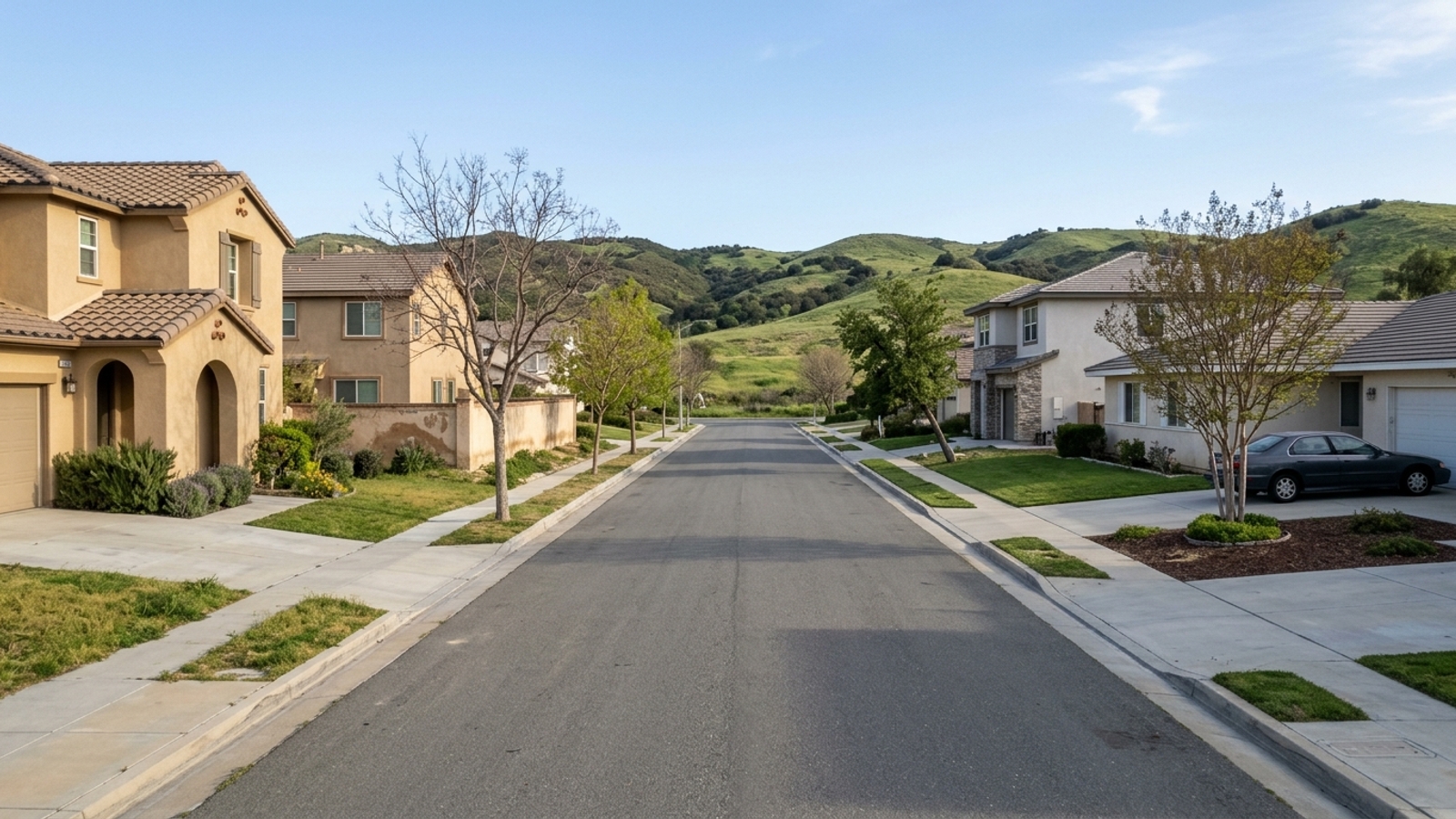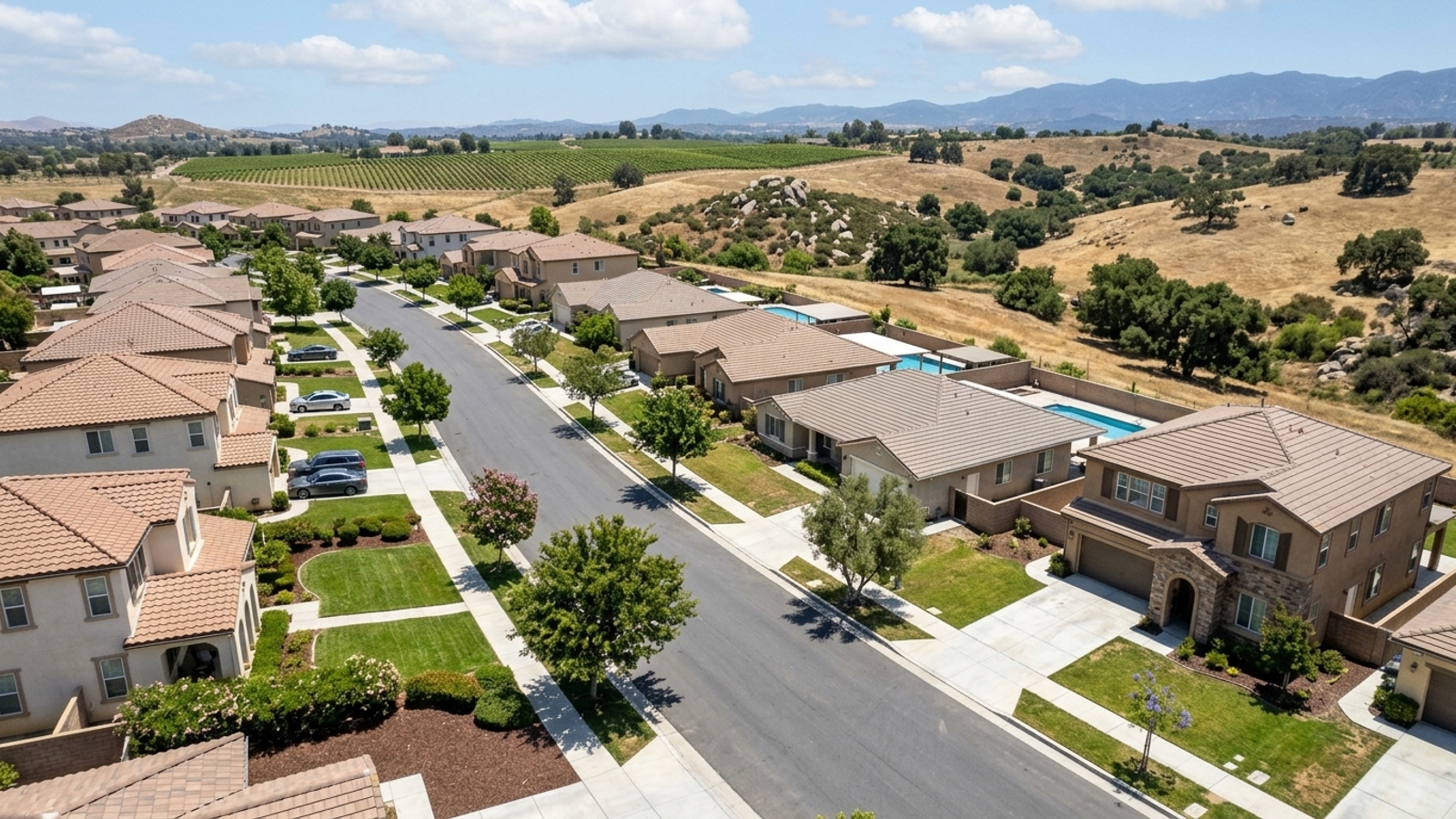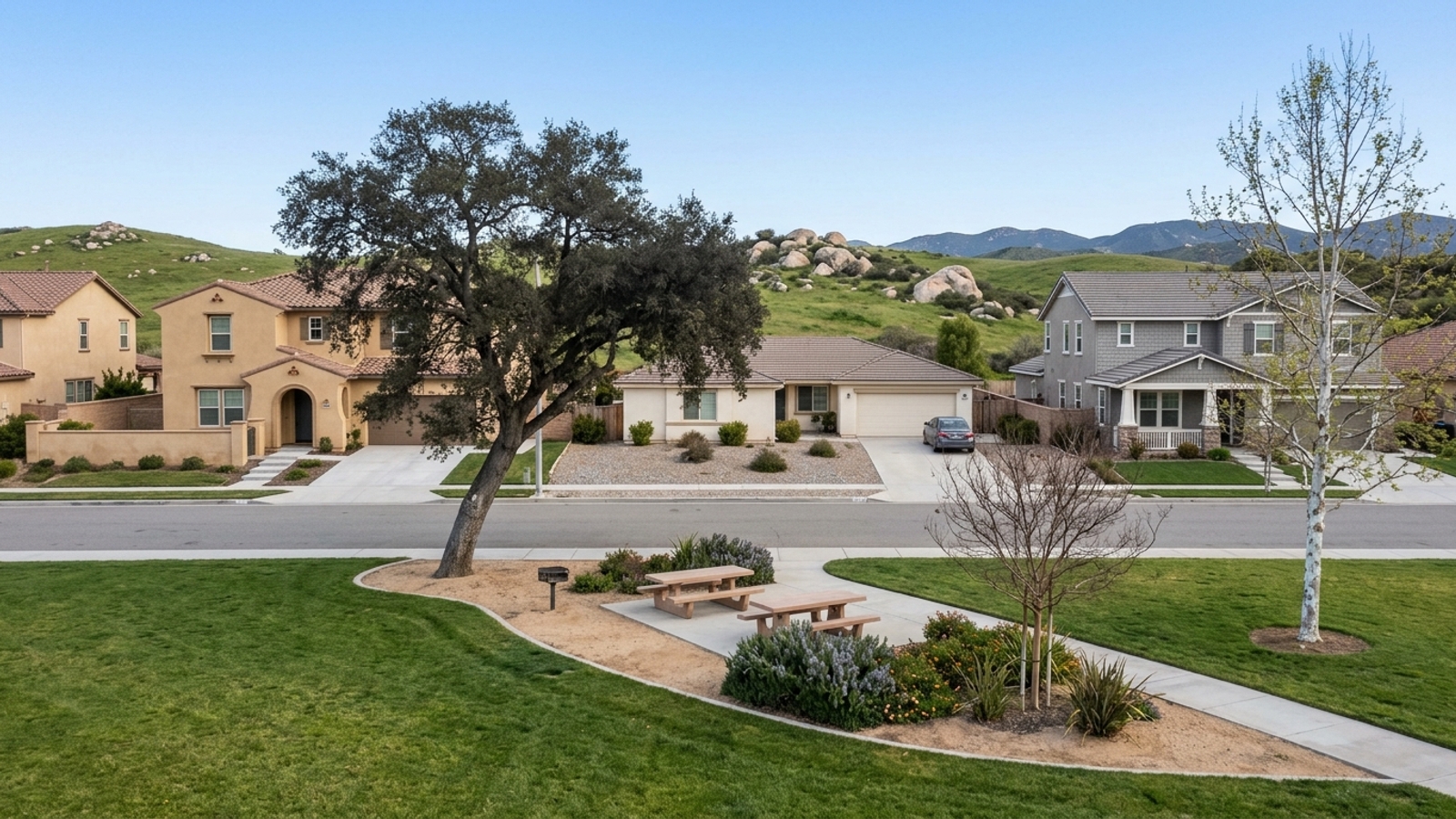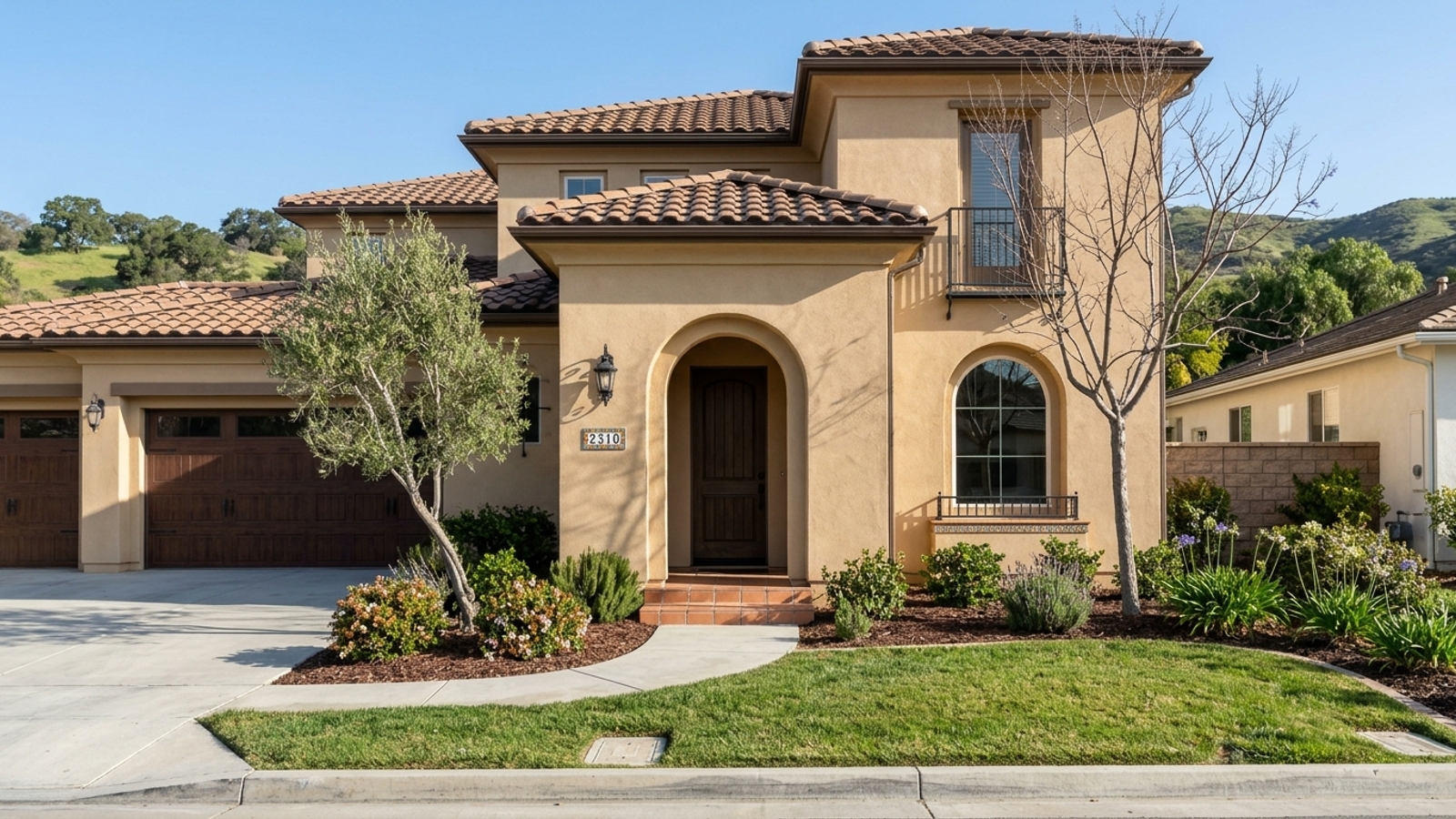
The median house price in Temecula is roughly $749,000, and values are mostly flat compared to last year. That means buying a property here depends on monthly rent covering the mortgage, taxes, and insurance. You’re not banking on a quick equity spike to bail you out.
Evaluating an investment means comparing purchase costs against local rent rates and specific community fees. Get accurate numbers on property taxes, homeowner association dues, and insurance premiums before you make an offer, not after.
Key Takeaway
Temecula works best for investors who buy single-family homes for long-term rent and underwrite on cash flow. House values rose just a fraction of a percent in the past year, so appreciation will not rescue a thin deal. If you want a lower entry price, condos cost less overall but not per square foot, so judge them strictly on rent after HOA dues rather than on their falling median.
Who This Guide Is For
You’re weighing whether a Temecula rental property will pay for itself and deciding between a house or condo and between long-term or vacation renting.
What to Know About the Temecula Real Estate Market
Temecula is a cash-flow market, not an appreciation market. Single-family values rose just 0.5% over the past year, landing at a median of roughly $749,000. That’s not a typo. It’s essentially flat.
Because prices aren’t moving, a rental has to pencil out on monthly rent after factoring in Mello-Roos taxes and insurance. If you overpay, or if rent comes in lower than you projected, there’s no rapid equity growth waiting to cushion the blow.
Temecula home prices right now
Single-family prices are essentially flat. Buying now and hoping values rise won’t cover a thin rental return. Check out the housing market trends to see how this compares to neighboring areas.
An investor who buys at today’s price shouldn’t count on equity growth for a refinance or a quick resale. A median Temecula house sold for barely more than it did a year earlier.
Buyer and seller negotiating power
The market is balanced to slightly tight for houses, with about 3.5 months of supply. Roughly 29% of single-family homes sold above list price recently, which means about seven in ten houses closed at or below asking.
That gives you room to negotiate on listings that sit past the typical 44 days on market. The catch: well-priced houses still draw multiple offers. Your negotiating power applies mostly to stale or overpriced listings, not the best ones.
Will a Temecula Rental Property Cash Flow?
Evaluating a rental here comes down to comparing purchase costs against local rent rates. The median gross rent for Temecula city sits at about $2,347 according to recent Census estimates, though single-family homes often rent for more.
Investors usually need a larger down payment, a below-median purchase price, or acceptance of a lower cash return to make the numbers work. Pull rent comps for the same bedroom count and area rather than relying on metro-wide averages.
The 1% rule at Temecula prices
The 1% rule says monthly rent should be about 1% of the purchase price. At the median price for a house, that requires about $7,487 a month in rent.
Compare that to the current HUD fair-market rent of $2,912 for a three-bedroom unit across the broader Riverside-San Bernardino-Ontario metro area. Most median-priced houses won’t pass this quick screening test. That’s a useful reality check before you fall in love with a property.
Rules of thumb also ignore Temecula-specific costs like special taxes and wildfire-driven insurance, which can turn a borderline deal negative.
A calculation on a median-priced house
Consider a purchase at the median house price with 25% down. That requires roughly $187,176 in cash and leaves a $561,526 loan. At current 30-year fixed rates, an investment-property loan usually prices higher than an owner-occupied mortgage, so ask your lender for a current investment-property rate to see the exact monthly principal and interest.
You then add property tax at the base rate plus voter-approved rates, an insurance quote, and any community special charges. Compare that total carrying cost with local fair-market rent to find your monthly gap or surplus. You can read more about understanding mortgage rates and property valuation to refine these numbers.
When the gap is tight, you’re betting on rent growth rather than price growth. This example is only as good as the rent assumption. A real rent comp for the specific address and bedroom count can swing the result by hundreds of dollars a month.
Choosing Between Houses and Condos for a Rental
The core decision is whether to pay a higher entry price for a house or buy into a condo complex with shared maintenance. Houses make up almost the entire local market.
Condos offer a lower entry price, but the space costs slightly more per square foot. You’re buying smaller units, not cheaper space. Keep that distinction in mind before the lower number wins you over.
Single-family homes
About 94 of every 100 homes sold in Temecula lately were houses. Because 298 of the 318 recent sales were single-family, resale buyers and comparable sales are plentiful when you eventually exit the investment.
You own the land, and you avoid complex homeowner association rental caps. For a look at the different floor plans available, review the condo and townhouse types page.
The trade-off is the higher entry price, and all maintenance falls on you: the roof, the HVAC system during hot summers, all of it.
Condos and townhomes
The median price for condos recently dropped about 17%, based on a small sample of just 13 sales. Temecula condos sold for roughly $358 per square foot, slightly above the single-family rate, so the per-foot savings aren’t there.
Judge a condo strictly on the rent it can generate minus the monthly HOA dues. Condo listings tend to sit longer than houses, which creates a real negotiating opening for buyers.
HOA dues, rental caps, minimum lease terms, and lender approval rules can rule a unit out as a rental entirely. For condos, ask your lender whether the complex meets its condo-approval requirements before you get too far down the road.
Long-Term versus Short-Term Rentals
The strategy you choose dictates where you can buy. Long-term rentals are permitted citywide, while short-term vacation rentals face strict location rules based on local zoning.
A mailing address that says Temecula doesn’t settle the jurisdiction. You must confirm on the Riverside County parcel map whether the property is inside Temecula city limits or in an unincorporated area before projecting vacation-rental income. This step is critical: the city bans all short-term rentals, while the county allows them with a certificate.
Long-term rentals
Long-term leases offer steadier income and simpler local rules. Tenant demand ties closely to local jobs and commute access, so proximity to major employers matters. You can read more about the local job market and getting around the area for commute details.
Schools also matter to many renters. Verify school boundaries for a specific address with the Temecula Valley Unified School District lookup and never rely on listing claims. Review the local schools page for district information.
California landlord-tenant rules are binding, and a vacancy or a non-paying tenant can erase a year of thin cash flow.
Vacation rentals inside city limits
Short-term rentals of 30 days or less are prohibited everywhere within the City of Temecula. There is no permit or licensing pathway for short-term rentals inside city limits.
The City Council re-affirmed this ban and raised the fine for operating a prohibited short-term rental to $1,000 per day. This applies to whole-home and room listings alike. Investors looking for Airbnb or VRBO income cannot buy inside the city boundaries.
Wine country rentals outside city limits
Much of the Temecula Valley wine country sits in unincorporated Riverside County, where short-term rentals are allowed with a county certificate. Riverside County rules cap the number of certificates in specific districts, such as the Winery District, and require a 500-foot separation between new certificated rentals.
The county also enforces a minimum responsible-guest age of 25 in the Wine Country area.
You’ll face separate county permit requirements, application fees, and enforcement. Many HOAs also restrict short-term rentals regardless of county rules, so the CC&Rs can kill the plan even if the county allows it.
Where to Look for Investment Property
Location dictates your tenant pool and your ongoing costs. Some neighborhoods appeal to long-term renters wanting community amenities, while others attract tourists.
Always check the specific parcel’s rules and fees. Ask the HOA for current dues, the reserve study, and any rental caps or minimum lease terms in the CC&Rs. Don’t skip this step.
Old Town Temecula
Old Town is the walkable historic and tourist core of the city, with heavy foot traffic and easy access to dining and entertainment.
Because it sits inside city limits, the complete ban on short-term rentals applies here. Investors must plan for long-term tenants. Residential inventory near Old Town is also limited, so check active listings before building a strategy around this area.
Harveston
Harveston is a master-planned community in north Temecula. The specific plan for this 552-acre area includes a dedicated recreational component built around a community lake and park space, which appeals strongly to long-term renters looking for shared facilities.
HOA dues and a likely community special tax add to your monthly carrying cost. Request the property’s latest tax bill to see whether a special tax applies and how much it is.
Roripaugh Ranch
Roripaugh Ranch operates under a Community Facilities District that issues special-tax bonds for public infrastructure. The district’s bond history is public, with a final maturity date scheduled for 2036.
This special tax shows up every year on the tax bill and directly cuts your cash flow. Ask for the disclosure and the tax bill before you make an offer so you know the exact annual charge.
Meadowview
Meadowview features larger lots and its own network of equestrian trails, creating a niche rental market for tenants who want space for horses or simply more distance between neighbors.
Larger lots and older homes mean more upkeep. Check the HOA’s rules on leasing before you buy.
Local Costs to Budget For
Flat prices mean your cash flow relies on accurately predicting your monthly expenses. Missing a hidden fee can easily turn a profitable rental into a monthly loss.
Factor HOA dues, special taxes, and insurance premiums into your budget before making an offer.
Property taxes and Mello-Roos
Total property tax rates in Temecula vary by Tax Rate Area. You pay the countywide base levy plus voter-approved debt service for things like school district bonds.
Many newer tracts also carry Mello-Roos special taxes through Community Facilities Districts. You can review the property taxes and cost of living details to see how these levies add up. A special tax charge can run for decades and adds a fixed monthly cost that rent must cover.
Insurance and wildfire risk
Insurance availability and cost are major factors in California’s fire-exposed areas. The state recently released updated Fire Hazard Severity Zone maps for the city, which dictate disclosure and can impact premiums.
Private insurers have pulled back in Riverside County, meaning some buyers must rely on the state’s FAIR Plan as a fallback. Get a binding landlord insurance quote before removing your contingencies. Landlord dwelling fire policies can cost more than owner-occupied coverage and may be harder to place. Check the seller disclosures and fire zones page for more details.
Closing and selling costs
Buying involves upfront fees that cut into your initial capital. When you eventually sell, you’ll pay real estate commissions and seller closing costs. On a short hold in a flat market, buying and selling costs can exceed any minor price gain. You can estimate these with the buyer closing costs and seller closing costs guides.
How to Choose Your Investment
Start by asking whether the property needs to cash flow from the first month, or whether you can carry a monthly gap while you wait for rents to rise. If it must cash flow, run through the worked example above.
Next, decide whether you care more about the lowest purchase price or the easiest resale. Single-family homes offer the easiest resale when you exit because 298 of the 318 recent sales were houses. Condos and townhomes make sense if you want the lowest purchase price, provided you check HOA dues and rental caps first.
For vacation-rental income, see the rental strategy section above for the city and county rules. If you want room to negotiate on price, look for houses that have sat past the typical days on market, as well as condo listings. Impact Real Estate can pull rent comps and the tax bill for a specific property to help you run the numbers.
At a Glance
- All homes median sale price: $735,900, up 0.8% year over year (318 sales, 90 days ending 2026-09-30)
- All homes: median 45 days on market, 99.7% sale-to-list, 28.1% sold above list, 3.7 months of supply, 386 listings, $354 per square foot (90 days ending 2026-09-30)
- Single-family median sale price: $748,702, up 0.5% year over year (298 sales, 90 days ending 2026-09-30)
- Single-family: median 44 days on market, 99.6% sale-to-list, 29% sold above list (90 days ending 2026-09-30)
- Single-family: 3.5 months of supply, 336 listings, $354 per square foot (90 days ending 2026-09-30)
- Condo median sale price: $479,951, down 17.2% year over year (based on only 13 condo sales, 90 days ending 2026-09-30; treat as a rough signal)
- Condo: median 54 days on market, 100.1% sale-to-list, 15.4% sold above list (13 sales, 90 days ending 2026-09-30)
- Condo: 6 months of supply, 26 listings, $358 per square foot (13 sales, 90 days ending 2026-09-30)
Investing in Temecula Real Estate FAQs
Are home prices dropping in Temecula, CA?
No, home prices are not dropping overall. The all-homes median sale price is up 0.8% year over year. Condo prices did fall on a small sample of sales, but review the condo section above to see why that lower price buys less space.
Is Temecula or Murrieta better for real estate investing?
It depends on the specific property’s carrying costs. You can review the Temecula vs Murrieta comparison to see how the two cities align. Compare rent-to-price on specific listings in both cities, and check each property’s special tax line, since that often decides the cash flow.
Is Temecula, CA a wealthy area?
The median sale price for a home here is above $735,000. Prices vary significantly by neighborhood and property type. You can check the most expensive neighborhoods page to see where values peak.
Does Temecula get wildfires?
Yes, parts of the area sit in designated fire zones. The City of Temecula posts official CAL FIRE Fire Hazard Severity Zone maps, which include High, Very High, and Moderate hazard areas following the state’s March 2025 update. You can use the city’s interactive address-lookup map to check a specific property.
How much is rent in Temecula, CA?
According to the 2020-2024 American Community Survey, the median gross rent for Temecula city was $2,347. Rent varies heavily by property size and location. Pull current rent comps for the specific unit you want to buy rather than relying on citywide estimates.
Is Temecula’s population growing?
Check the California Department of Finance estimates to see if Temecula’s population is growing this year. Steady or slowing growth impacts renter demand, as local job and population trends dictate how easily you can fill a vacancy.
Does California rent control apply to Temecula rental homes?
Check the California Civil Code for the latest Tenant Protection Act rules. The statewide rent cap and just-cause eviction rules generally apply, but there is a single-family exemption that requires written notice to the tenant. This is general information, not legal advice.
What is the transient occupancy tax in Temecula?
Under the Temecula Municipal Code, each transient occupying a licensed hotel or lodging space for 30 days or less pays a tax of 8% of the rent charged. Because short-term rentals are prohibited citywide, this tax rate applies to licensed lodging, not to unlicensed vacation rentals. Unincorporated wine country properties fall under Riverside County’s separate rate and rules.
Sources
- Redfin: Data Center
- City of Temecula: Short-term Rentals
- City of Temecula: Transient Occupancy Tax
- Riverside County: Ordinance 927.2
- HUD: FY2026 Fair Market Rents
- U.S. Census Bureau: Temecula city, California
- Riverside County Auditor-Controller: Tax Rate Comparisons
- City of Temecula: Community Facility Districts Annual Report
- City of Temecula: Fire Hazard Severity Map
- City of Temecula: Specific Plans